Tag: Fall prevention

  • “Silent Guardians: How Pressure Mats Are Easing Nurses’ Hidden Struggles”

    Scene: A quiet hospital ward, 3:00 a.m.

    Anjali adjusted her scrubs, her eyes scanning the dimly lit corridor. The faint beeping of monitors echoed in the background as she approached the nurses’ station. There sat Ravi, his shoulders slumped and dark circles shadowing his tired eyes.

    Anjali: “Ravi, are you okay? You look completely wiped out.”

    Ravi: (exhaling deeply) “It’s Mrs. Sharma again, Room 204. She tried to get out of bed on her own last night. I caught her just in time. But it’s always the same—what if I hadn’t been there? What if I miss something next time?”

    Anjali nodded, understanding the weight of his words. As nurses, they carried more than just their responsibilities; they carried the relentless worry of what could go wrong.

    Close-up of a healthcare professional in blue scrubs with a stethoscope and clipboard.

    A Silent Epidemic in Caregiving

    Ravi’s fear wasn’t misplaced. For caregivers, the struggle is as much emotional as it is physical. The worry isn’t a passing thought—it’s a constant, gnawing presence. According to the World Health Organization (WHO):

    • 1 in 4 senior citizens falls every year globally.
    • Falls are the second leading cause of accidental injury deaths worldwide.
    • Over 37 million falls annually result in injuries requiring medical attention.

    In hospitals, a large number of these falls happen when patients try to leave their beds unaided—leading to fractures, head injuries, or worse.

    For nurses like Ravi, every fall feels personal. They second-guess themselves, wondering if they could have done more. The emotional toll builds silently, leading to stress, exhaustion, and even burnout
    A Quiet Revolution: Pressure Mats

    Enter pressure mats—a solution so subtle yet transformative that it changes the narrative for both patients and caregivers.

    That morning, as Ravi sipped his coffee, Dr. Kapoor, the hospital administrator, joined the conversation.

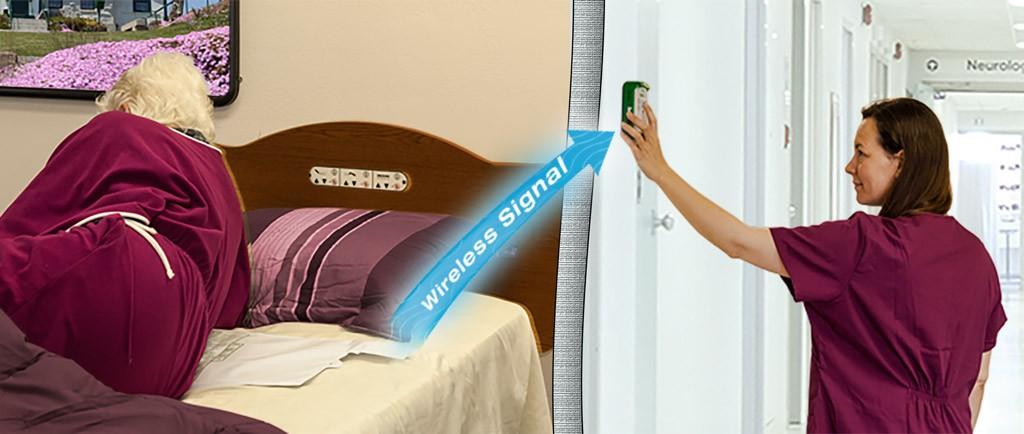
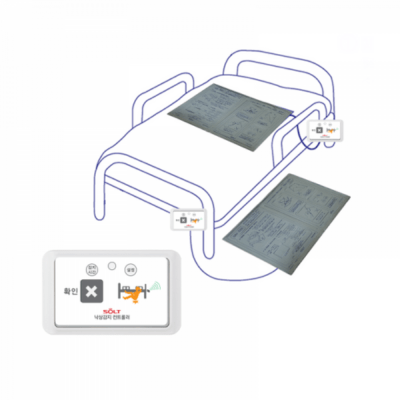
    Dr. Kapoor: “You’re not alone in feeling this way, Ravi. That’s why we’ve introduced pressure mats. Placed under a patient’s bed or at key exit points, these devices detect movement and immediately send an alert through the SOLT Wireless Nurse Call System. It’s like having an extra set of hands for every patient.” Ravi leaned forward, intrigued.

    Ravi: “So, the moment Mrs. Sharma tries to get out of bed, we’d know immediately?”

    Dr. Kapoor: “Exactly. The alerts ensure you’re there when she needs you most. It’s not just about preventing falls; it’s about lifting that constant weight of worry off your shoulders.”

    The Ripple Effect of Reassurance

    Within weeks of introducing the pressure mats, Ravi felt the difference—not just in his work but in himself.

    • Peace of Mind: “I can finally focus on patient care without the anxiety of constantly watching over my shoulder,” he shared.
    • Timely Interventions: Alerts allowed Ravi and his team to act swiftly, preventing accidents before they happened.
    • Emotional Relief: The once-heavy cloud of stress lifted, replaced by a quiet confidence that the system had their back.

    Dr. Kapoor echoed these sentiments.

    Dr. Kapoor: “These mats are more than tools. They’re a lifeline—for the patients who are safer and for the nurses whose well-being is just as important. Integrated with the SOLT Wireless Nurse Call System, they make caregiving smarter and more compassionate.”

    A Lifeline, Not Just a Device

    For the elderly, a fall is more than a physical injury—it’s a loss of confidence and independence. For nurses, the emotional toll of these incidents can be profound. Pressure mats bridge this gap, creating an environment where safety meets empathy.

    With senior citizens at high risk and caregivers bearing the emotional burden of their safety, these mats are more than equipment. They are silent guardians, ensuring every patient is looked after and every caregiver is supported.

    If you’re looking to transform your facility, SOLT Pressure Mats offer more than peace of mind—they offer a chance to redefine caregiving.
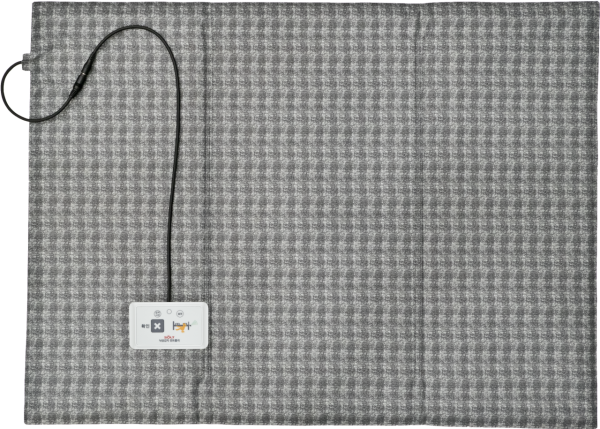
    PressureMatx1280
    SOLT – Pressure Mat

    This is not just a product. It’s a promise: to protect, to reassure, and to care. Contact us to know how SOLT Pressure Mats can make the difference.
  • Fall Prevention

    Fall Prevention

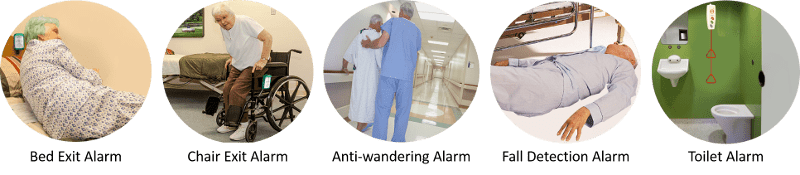
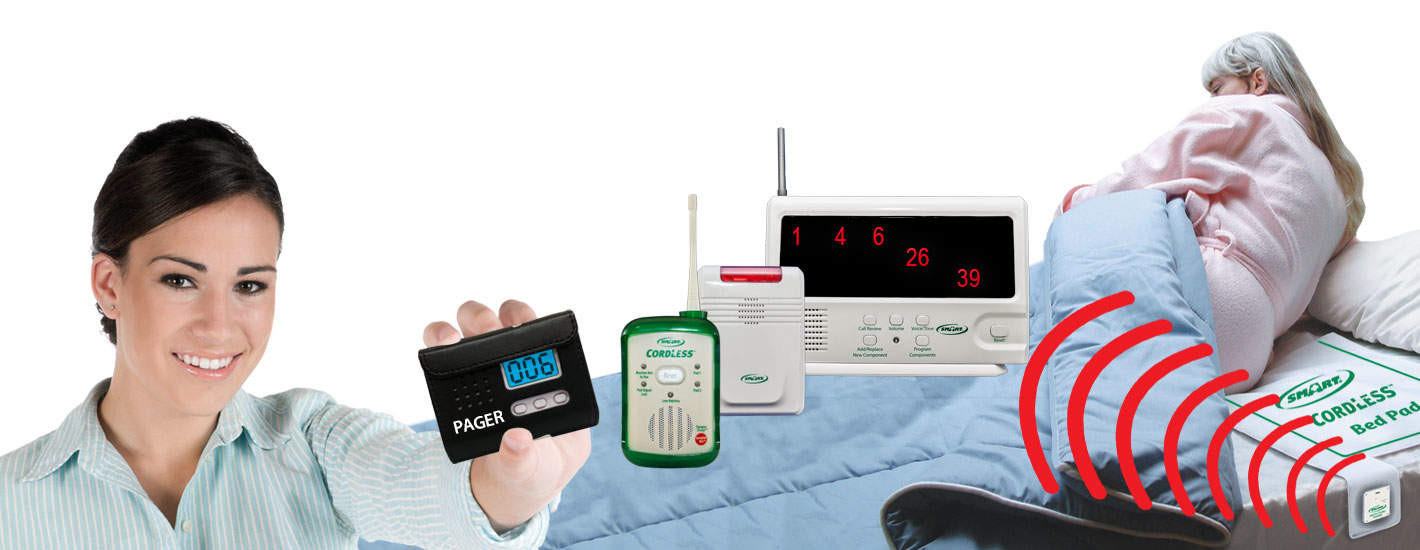
    Fall prevention and exit alarm products are simple and easy-to-use. Plug a weight-sensing bed or chair pad into an exit alarm monitor and place sensor pad under the resident in a bed or on a wheel chair. When they attempt to get up, the caregiver is notified either quietly by pager, audibly by a bed or chair exit alarm, hallway monitor or a central monitoring unit in a remote location. Floor mats are placed next to the bed or doorway to prevent exits.

    Our offering specializes in all aspects of fall prevention products, mobility monitoring, anti-wandering and quiet fall prevention solutions. Several products are designed to prevent wandering of memory care residents who may have dementia or Alzheimer’s disease. Others are designed to help prevent falls of residents, patients or loved ones who are at high risk for falls. Devices are also available in wireless models.

    Fall prevention products include:

    • Bed exit alarms
    • Chair exit alarms
    • Pull-string fall prevention alarms
    • Weight-sensing pressure pads for bed or chair exit alarms
    • Weight-sensing floor mats
    • Wheelchair seat belts
    • Motion sensors
    • Caregiver paging systems
    • Anti-wandering door systems
  • Who Needs Fall Prevention?

    Fall Prevention consists of products that a caregiver can utilize to help monitor any person who is at risk of falling.

    Using products to monitor these individuals aids caregivers in responding quickly to the needs of those under their care.

    Who Needs Fall Prevention?

    • For the next 19 years –10,000 people will turn 65 every day
    • By 2050 there will be 1 BILLION seniors worldwide
    • Fall rates are highest for those aged 65+
    • We specialize in fall prevention and wandering
    • There are approximately 19,000 nursing homes nationwide.

    What Types of Products Help Prevent Falls?

    • Bed Pads- Place on mattress under at-risk individual
    • Chair Pads– Place on seat of chair under at-risk individual
    • Floor Mats– Place on floor next to the bed side or in doorway
    • Motion Sensors– Place on floor or wall next to bedside or doorway
    • Door Exit Alarms– Place in bathroom or entry way door frames
    • Call Buttons– Actively signal for assistance

    For more details contact us on sales@rincon.co.in

  • Reblog: 12 Strategies for Senior Fall Prevention

    A fall can have big consequences for a senior. You could break a bone or find yourself stuck without an easy way to call for help (it’s a tired cliché, but it has happened).

    As you age, spending long periods in a hospital or bedridden because of a fall comes with a number of other potential consequences – you could catch a serious illness, you become stationary and don’t get the movement each day your body needs to stay fit and mobile, and you risk facing loneliness.

    Which is all to say, the best option when it comes to senior falls is prevention. Fall Prevention Day falls September 22 this year and it’s a good reminder that falling isn’t inevitable and the stakes of avoiding it are high.

    To protect yourself from the unnecessary pain and inconvenience that can be caused by a senior fall, here are a few steps you can take for fall prevention.

    • Re-arrange your home to remove fall risks.

    One of the first and easiest things you can do is go through your house and look for anything that might put you at risk of a fall. This likely includes rugs (particularly if they ever bunch up at points), pieces of furniture in spots that block your ability to walk through a room, and any other low-to-the-ground items positioned somewhere that would be easy for you to walk into without seeing. Remove the offending items or re-arrange your rooms (with help) as needed to minimize your fall risk. And stay on top of this, don’t let clutter start to fill those spaces in a month or two and put you right back at risk.

    • Install grab bars in the bathroom.

    Bathrooms are one of the most dangerous places in the house for seniors. The floor often gets slippery, the space tends to be tight and crowded, and stepping in and out of the bathtub becomes a risky experience with age. One thing you can do to make the space safer is install grab bars. You won’t have to struggle as much to get in and out of the tub or up and down from the toilet and you’ll have something to grab onto to help you avoid slipping on a wet floor.

    • Use non-slip mats and tape.

    Speaking of slippery floors, you can save yourself a lot of the risk there by buying non-slip mats to put in your bathroom and any other spot that’s of potential concern for getting slippery (your kitchen maybe, or by your front and back doors). Non-slip tape is another useful and cheap option, you can place it in key spots around the house to reduce the likelihood of ever slipping on the ground.

    • Look into walk-in tubs and alternatives.

    They’re expensive, but walk-in tubs reduce the risk of falling as you get in and out of the tub and could potentially save you from injuries that are more expensive in health care costs than the tub itself. If buying and having a whole new tub installed seems like overkill, you can also look into some more affordable alternatives to walk-in tubs that also reduce your risk.

    • Do tai chi.

    Tai chi is known to help seniors improve balance and thus prevent falls. It’s an ancient martial art that helps you strengthen the connection between your body and mind and it’s entirely safe for most seniors to do. Look into local classes or try out a video if there’s not a class in your area.

    • Use a walker or cane.

    If you’re finding it harder to keep your balance as you walk, then go ahead and invest in a cane or a walker. It may feel silly or strange to you at first to always walk with a cane or walker, but if it makes you safer, it will be worth it.

    • Wear good shoes.

    The right shoes play an important role in how big your risk of a fall is. Go for shoes with rubber soles that give you good traction. Avoid heels. And make sure any shoes you buy are reasonably comfortable, if the fit is off or they give you blisters, you might walk in a less natural way that makes a fall more likely.

    Oh, and don’t walk around the house in socks or stockings. They can quickly make your floors more slippery than any amount of water on them can. Stick with shoes or go barefoot.

    • Do balance exercises.

    In addition to tai chi, there are a number of other balance exercises you can try. These will take you only a few minutes each day and can make a big difference in how comfortable you are walking and moving through the world. Make a habit out of doing a few here and there throughout your day.

    • Install smart and voice-activated tech

    While you do want to stay active generally speaking, cutting down on the times you have to get up to do something in the dark or when you’re tired can reduce your risk of falls. Voice-activated tech can be used for tasks like turning on the light, turning the temperature up and down, and changing the channel on the TV. These add a lot of convenience to life, but if being able to turn the air down with a command saves you from getting out of bed at night and walking across a dark house to do so, they also make you safer.

    • Have your vision checked regularly.

    Poor vision can often contribute to falls. You have a harder time seeing what’s in front of you and it can throw your depth perception off. In addition, research has shown that wearing bifocals can increase your risk of falls. Go in for regular vision checkups and, if you currently have bifocals, talk to your doctor about your concerns. Having the right glasses for your needs makes you safer.

    • Pay attention to medicine side effects.

    Some medicines have side effects that can make you more likely to fall. Some might not have those side effects on their own, but start to cause them once they’re mixed with certain other types of meds. Each time you start on a new medicine, talk to your doctor about the side effects and how it will mix with the other medicines you take. And pay close attention to how you feel – if you start to feel dizzy or off balance within a few days of starting new meds, talk to your doctor about it right away.

    • Make sure loved ones or professionals are around to help out.

    If you’ve taken care of yourself for a long time it can feel unnatural to call a friend to help you move a piece of furniture or try to reach for something on a high shelf. Even so, start getting in the habit of asking for help with the things that could put you at risk of a fall. Waiting until a loved one can come over to help you out is far preferable to months in a hospital bed recuperating. And if you find you need help with these types of things with some frequency, consider if hiring in-home care might be the best solution.

    Falls can be dramatic and there will always be risks you couldn’t foresee. Do everything you can to reduce your risk in advance though and your chances of staying healthier and happier for longer will improve.

    The original article appeared on senioradvisor.com and can be found here.

    To learn more about fall prevention, contact us on sales@rincon.co.in.

  • Reblog: 10 Fall Prevention Tips for Seniors

    Easy Home Modifications To Reduce The Risk Of Injuries From Falls

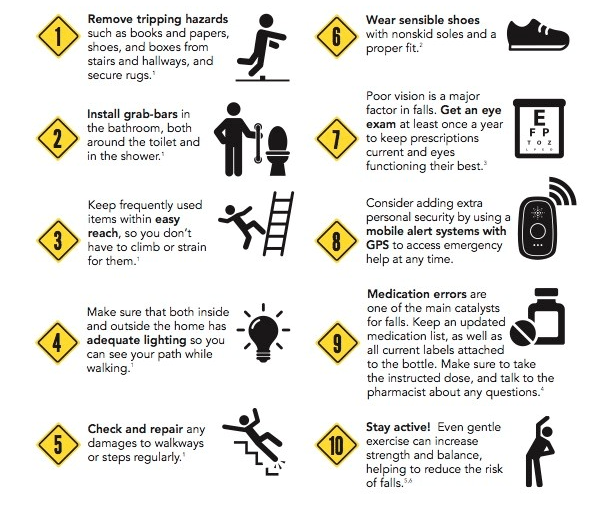
    As part of the National Safety Council’s Safety Awareness Month, the week of June 20, 2016 focuses on increasing awareness around falls and fall prevention. In support of that initiative, MobileHelp, a leader in mobile medical alert system and personal health management technology, has released an infographic to provide consumers with tips on how to make homes and outdoor spaces safer.

    “We have always worked to provide people with the capability to get help quickly in the event of a fall – which happens roughly every 7 seconds,” said Rob Flippo, CEO of MobileHelp. “But the bigger goal is to take the issue further upstream – we want to help prevent fall emergencies from happening in the first place. We support the National Safety Council’s efforts to raise awareness around the issue of fall prevention.”

    Released today, the informative piece focuses on providing easy modifications that can be incorporated into living spaces to reduce the risk of injuries from falls, with tips from the National Safety Council, as well as Mayo Clinic and the National Council on Aging (NCOA). Information includes such critical aspects as what areas of the home represent the greatest risk and how to ensure risks are mitigated as much as possible.

    10 FALL PREVENTION TIPS for Seniors

    Below are 10 Simple Tips for Fall Prevention from the National Safety Council and Other Resources

    The original article can be found here.

    To learn more about fall prevention, contact us on sales@rincon.co.in.

  • Reblog: Why is Fall Prevention so important?

    Among older adults, Falls are the leading cause of injury deaths, unintentional injuries, and hospital admissions for trauma. Falls can take a serious toll on quality of life and independence. To recognize this critical issue, at the state level, SCR 77 (D-Lowenthal) was passed in 2008 declaring the first week of Fall each year as Fall Prevention Awareness Week.

    According to HRET-HEN:

    • Among older adults, ages 65 or better, Falls are the leading cause of injury-related death (CDC). Falls are also the most common cause of non-fatal injuries and of hospital admissions for trauma.
    • In acute and rehabilitation hospitals, Falls resulting in injury occurred in 30% to 51% of patients.
    • Falls are associated with increased lengths-of-stay, increased utilization of healthcare resources, and poorer health outcomes.
    • Soft tissue injuries or minor fractures can cause significant functional impairment, pain, and distress. Even “minor” Falls can trigger a fear of falling in older persons, leading them to limit their activity and lose their strength and independence.

    Work is being done through the California Hospital Engagement Network (CalHEN) to reduce Falls, and most importantly to reduce injuries from Falls in hospitals. The CalHEN has been working with over 150 hospitals to reduce not only Falls but also Readmissions due to Falls. To date, this work has accounted for the reduction of Falls by approximately 28 percent, accounting for the prevention of 1066 falls with injuries and over $706,758 in health care savings across the state.

    The HQI Falls Toolkit provides tools that work and additional resources as examples for hospitals to implement and develop in their own efforts to reduce harm. Specifically, the checklist on the “Days Since Last Fall Poster” proves effective in Fall reduction efforts.

    The original article appeared on hqinstitute.org and can be found here.

    To learn more about fall prevention, contact us on sales@rincon.co.in.

  • Reblog: Fall prevention safety bundle: Collaboration leads to fewer falls

    At St. Joseph’s Hospital and Health Center in Syracuse, NY, we’re committed to providing a safe, comfortable, caring environment for our patients. We believe all patients deserve to be cared for in the most humane way possible to preserve their dignity and individual rights. This means ensuring our patients’ physical safety, including preventing injuries from falls, during a hospital stay.

    Central to our fall prevention program is the hospital’s patient safety care bundle. We found that bundling (standardizing) fall prevention practices prevents more falls than nonbundling or variable approaches. We also learned that involving all unit and house-wide staff in this approach inspires greater buy-in and participation and fosters best practices.

    Our bundling journey

    St. Joseph’s didn’t always use bundling to prevent falls. Our journey began in 2010 when I was asked to lead a task force to review and revise the hospital’s fall prevention program. After reviewing many articles in the nursing literature, our task force decided to take different concepts that proved effective and combine them into the bundled approach.

    All clinical and nonclinical staff were taught how to use the new bundle. Rapid-cycle piloting in select care areas was implemented. Following a process and outcome review and revision of the bundling approach, full implementation followed throughout our facilities. St. Joseph’s bundled approach to fall prevention includes safety huddles, hourly rounding, use of the Morse scale, individual care plans, and post-fall debriefings.

    Safety huddle: To consistently identify patient safety needs for all shifts, each unit has a safety component as part of its shift-change huddle. The safety huddle must be documented on a form designed by the unit.

    Hourly rounding: Nurses round on patients hourly. The RN uses a consistent, caring conversation, which starts with an introduction, such as, “Mrs. Jones, I’m Marty, your nurse, and I’m here to check on you.” Unless necessary, sleeping patients aren’t awakened. Rounds are documented in the electronic documentation system. The RN admitting new patients explains that hourly rounding is done to anticipate their needs and ensure their safety.

    Morse scale: The Morse fall scale assessment tool, which is individualized for each patient, assesses for the following measures:

    • history of falls
    • secondary diagnosis
    • ambulatory aid
    • I.V.s/normal saline lock
    • gait/transfer
    • mental status.

    According to St. Joseph’s fall prevention protocol, the Morse scale is used upon admission of every inpatient 14 and older, once during every day shift, when a patient’s level of care changes, upon transfer, and after a fall.

    Individualized care interventions: The following interventions are implemented based on individual patient needs:

    Falls that take place while the patient is hospitalized are documented on the plan of care under the Morse scale section. When physical therapy or medication review is requested, it’s documented in the plan of care under the safety and activity section and communicated during handoff.

    Nurses have the option to ask for a gerontology review, which includes consultation with an expert gerontology RN and a pharmacist, and a physical therapy screen.

    Door signs or door magnets alerting staff to the patient’s risk of falls must be used when the patient’s Morse scale score is ≥ 85 (considered high risk), when staff believe the patient is at risk of falling despite a lower fall assessment score, and when patients have an epidural infusion until they’re able to ambulate independently.

    Bed exit and chair alarms* must be used for patients who overestimate or forget their limitations and for those with an impaired gait transfer (as documented in the Morse assessment). Patients with bed exit alarms also must have a chair alarm when out of bed. Any patient with a bed exit alarm, chair alarm, or door magnet is not to be left alone on the commode or in the bathroom.

    Post-fall defusing: Immediately after a fall, we hold a debriefing with the staff involved with the patient’s care. At the debriefing, similar to the huddle concept, we review and discuss the event to help formulate a collaborative approach for immediate care, treatment, and review and prevention of potential future falls.

    Practice implications

    Since our implementation of the bundled approach to fall prevention, we have seen a decrease in the number of falls and a reduction in the severity of injury when falls do occur. (See Reduction in falls.) Perhaps most important, though, is that an all-staff approach to quality care inspires greater buy-in and participation, which fosters best-practice outcomes.

    Case study

    A man in his late 80s was admitted to the medical-surgical unit after several falls at home, including one that resulted in a hip fracture. He had a urinary tract infection (UTI) and was confused and sleep deprived. His family reported that he’d fallen many times at home. Our challenge was to keep him safe while treating his UTI and giving him the rest he needed to get well.

    The patient’s admitting nurse evaluated him with a Morse scale of more than 85, so a magnet indicating this designation was placed on his door and every shift was notified of his fall risk every day. In addition to the door magnet, our interventions included a bed alarm when the patient was in bed, a chair alarm, hip protectors to add extra protection if he fell, and floor mats* on each side of the bed.

    As a result of our interventions, the patient got much-needed rest, his UTI resolved, his cognition improved, and he was able to return home. We gave the hip protectors to the family for use at home.

    Marty Pond, MS, RN-BC–Gerontology is the NICHE Coordinator and Falls Chairperson, St. Joseph’s Hospital and Health Center, Syracuse, New York.

    The original article can be found here.

    To learn more, contact us on sales@rincon.co.in

  • Prevent Your Patients From Falling

    Falls are not a normal part of aging and most falls can be prevented:

    [well type=”well-lg”]


    [/well]

    Features:

    • Create a safer and more reliable lifestyle for Patients
    • Easy to use and simple to handle
    • Bed alarm allows staff and caregivers to know exactly when a person is getting up
    • Pull-string fall prevention alarms, motion sensors, bed and chair alarms, weight-sensing pads and anti-wander exit alarms.

    Falls frequently cause a disability, functional decline, reduced independence, and reduced quality of life for an elderly person. Patients with a fear of falls may also experience feelings of helplessness, loss of function, depression, anxiety, and social isolation. It is important to take precautions both in and out of a facility to prevent elderly falls, fractures and injury.

    To learn more about how your facilities could be better protected by Fall prevention solution, contact us today.