Tag: Go Green

  • ISO Certification – Can a Document Management System help?

    iso9001

    ISO 9001 certification is a must-have for most manufacturing and service companies.  The certification is increasingly required in subcontracts, especially by European multinationals.
    It helps in:
    • Increased marketability
    • Reduction of operational expenses
    • Better management control
    • Increased customer satisfaction
    • Improved internal communication
    • Improved customer service
    • Reduction of product-liability risks
    • Increased attractiveness to investors
    To achieve ISO 9001 certification, a manufacturer must collect, update and share its large library of ISO documents with single point access to the latest documentation.  This is a humongous task using paper-based documents and processes. Digitising the document processes would help simplify and streamline the certification process.
    Some of the processes that must be standardized and documented in ISO 9001 include:
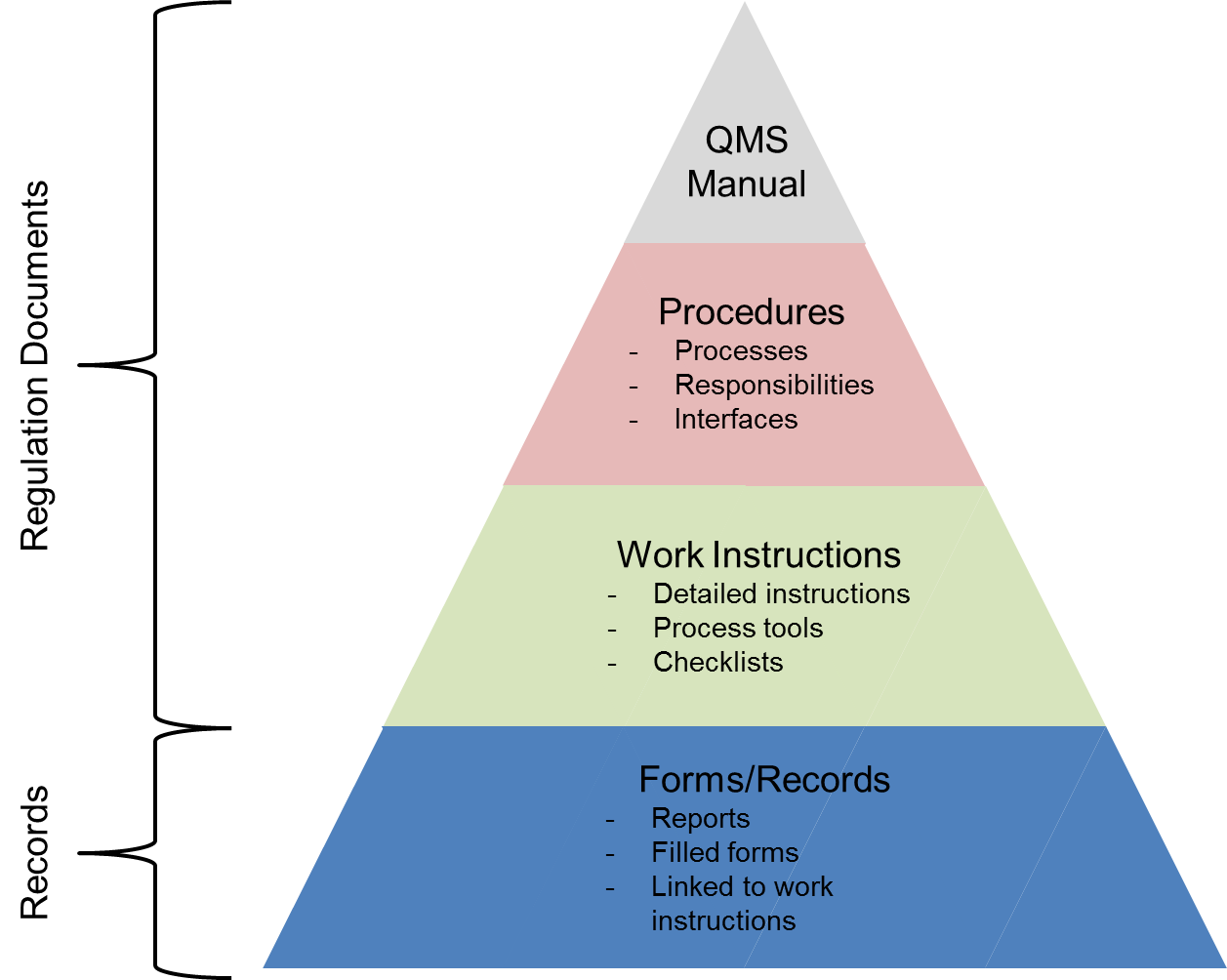
    • Quality Manual – The quality manual defines how each requirement of the rather generic ISO 9001:2008 standard is applied at the company.
    • Quality Procedures – The quality procedures are the essence of the ISO 9001 documentation. The ISO 9001 quality procedures explicitly describe how certain key processes within the company must be performed and who is responsible for them.
    • Quality Policy – The quality policy is the company’s policy defining its stance towards quality and customer satisfaction.
    • Quality Objectives – The quality objectives define measurable goals relative to the company’s quality management system.
    • Process Flowchart – The process flowchart is a description of how the various processes of the ISO 9001 QMS interact with each other.
    • Work Instructions – Work instructions are the most detailed and most company-specific of all ISO 9001 documents. Work instructions describe in detail how particular tasks must be performed. Work instructions are typically written by the people who perform the actual work.
    • Records – Records are different from the above documents, all of which provide directions on how to conduct business. Records, on the other hand, are evidence of things done. ISO 9001:2008 contains numerous explicit requirements on records plus requirements for many more undefined records.
    Most organizations are unaware that even if they previously went through the ISO 9001 certification process, things are changing. A new ISO 9001 standard has been published in September 2015. This means that the ISO 9001:2008 standard will become obsolete on September 14, 2018, and that all ISO 9001:2008 certifications issued in late 2015 and beyond bear an expiry date of September 14, 2018.
    There has never been a better opportunity than now to examine the underlying document management practices associated with ISO 9001 certification. Certifying against the new standard provides an opportunity to view ISO 9001 not only as a paper documentation exercise, but as an opportunity for digitizing document processes – and in the process transforming the business. Leading organizations are increasingly realising that if approached strategically through a document management system, compliance-mandated digital documents can provide a foundation for more effective processes throughout the business and provide insights that are critical to digital transformation.
    If you are considering the implementation of a document management system for your business, but you are still on the fence when it comes to selecting the right solution, please e-mail us on sales@rincon.co.in and we will be glad to assist you.

  • Why do Housing Finance Companies use Document Management Systems?

    mortgagedocuments

    A Housing Finance Company (HFC) processes loans at multiple locations, and retains all related documents at the local / zonal office. Each files received consists of multiple documents and should be filed and processed swiftly considering the competitive environment.
    In the manual process, documents need to be stored physically in the office resulting in wastage of expensive real estate. Additional paperwork needs to be stored in the right place with the other documents so as to make it easily accessible. This results in a lot of time and money spent on handling paper. Finding the correct document is akin to finding a needle in a haystack especially at the time of audits or at the time of a default.
    With a document management system in place,
    • All documents are scanned and archived on a central server thereby making it available to users anywhere (provided they have the requisite rights and permissions).
    • Expensive real estate can be put to better use and documents can be stored off site.
    • The concerned people have access to the records from anywhere they work using the web or mobile interface.
    • Improve workflow, response times and efficiency
    • Reduce costs
    If you are considering the implementation of a document management system for your business, but you are still on the fence when it comes to selecting the right solution, please e-mail us on sales@rincon.co.in and we will be glad to assist you.
  • Rincon supports Earth Hour 2013

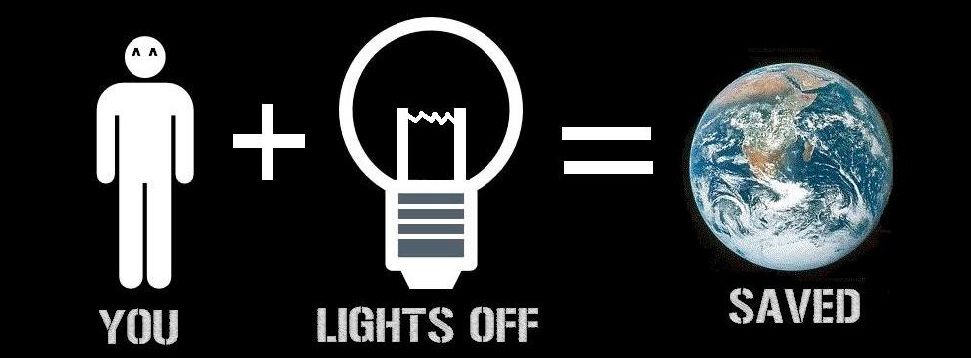
    EARTH_hourRincon has always believed in helping organisations go green through IT solutions. Even in our own offices, we switch off the lights and fans when not required, fix leaking taps, switch on the water cooler only when required, use the printer only if absolutely necessary, use the other side of papers and recycle envelopes. These small things are not only cost effective but more importantly help us contribute to the environment. In keeping with that, Team Rincon is supporting Earth Hour this year on Saturday, March 23, 2013 from 8.30 pm to 9.30 pm.

    What is Earth Hour? (Taken from the Earth Hour website)

    Earth Hour is the largest movement for the planet in human history, spanning 7,000 cities, 152 countries with a digital reach of 200 million. Earth Hour is much, much more than a symbolic action of switching off lights for an hour; it’s a continuous movement driving actions, big and small, that are changing the world we live in.

    There is no doubt about it: the world is facing some of the most critical environmental challenges in its history. That may make the journey to a sustainable future seem difficult to imagine, but it is far from impossible. Change this big needs you. It needs every one of us. Together our individual actions add up to make a difference collectively. In fact, change is already underway.

    Proudly contributed by Team Rincon

    badge

  • Please think of the environment, Go Green

    Why would anyone be concerned about the environment right now? For starters, we still don’t know how Mother Nature is getting depleted. We have yet to realise that what goes around comes around so we will be hurt too. Please think of the environment. Go Green.

    effects-of-deforestation-on-jaguars

  • Zetafax 2012 is here……

    Zetafax 2012, the latest version of the award winning fax server by Equisys, has now been released. The new release delivers enhanced tools designed to make administering and using Zetafax even easier.

    Amongst the new features available in Zetafax 2012 is

    • Auto Cleanup, a new tool that reduces manual maintenance overheads by automatically managing disk usage. Through configurable rules such as age and volume of messages, Auto Cleanup enables administrators to set permitted quotas within each user’s Inbox and Outbox folders. Quotas are then monitored by the Zetafax Server and managed in accordance with the rules specified.
    • Delete After Sending a feature that improves the user experience for Zetafax Client users, particularly with systems sending large numbers of faxes. Matching the user experience of popular email clients, user accounts can be configured to automatically remove messages from the Outbox once they have been sent successfully, saving time and improving system performance.
    • A number of client enhancements, many of which have been suggested by users of the software. These include access to the Zetafax annotation tools via the popular Zetafax Client wizard, enabling messages to be both sent and annotated from within common desktop applications, and print enhancements to make filing and retrieval of faxes easier when required.
    • 64-bit API support, enabling Independent Software Vendors (ISVs) and other customers to integrate 64-bit applications with Zetafax quickly and easily
    • Support for a new range of Brooktrout fax boards – update to version 6.5 of the drivers used with Brooktrout fax boards and the Zetafax Fax over IP Connector (SR140 Edition).

    You can read the press release here. Please feel free to mail us on sales@rincon.co.in for any assistance you may require.

  • Video: Millions of Medical Records lost in fire

    Video: Millions of Medical Records lost in fire

    [youtube]http://www.youtube.com/watch?v=rL7RQzBUMrM[/youtube]

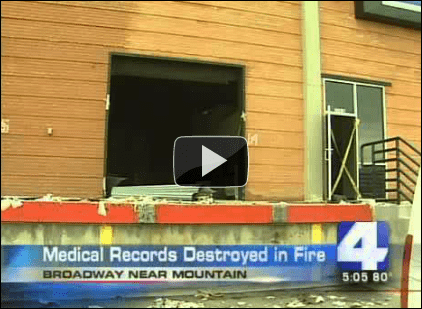
    UNM hospitals based out of Albuquerque, New Mexico, USA lost medical records of 1 Lakh patients due to a fire in a warehouse complex. This was the warehouse where they had stored the records. This only goes to show how vulnerable hospitals are to such losses in the absence of a proper records management solution. Get smart. Get a good EDMS solution. Contact us on sales@rincon.co.in or call us on +91 22 61461616

  • Nanavati Hospital in Mumbai hits ‘sweet spot’ of faxing with ZetaFax

    Dr. Balabhai Nanavati Hospital, popularly known as Nanavati Hospital is one of the busiest hospitals in Mumbai with 400 beds and employing 1200 people. The TPA (Third Party Administrator) desk was buzzing with activity with relatives of the patients asking for updates on their cashless insurance process requests. The TPA desk was sending and receiving faxes manually and were fraught with the usual paper jams, mixed pages etc. Dr. Mahesh Shirke took the initiative and evaluated Zetafax and went ahead with the solution. The hospital is now saving a lot of time and resources by shifting to Zetafax. The nagging problem of documents not being received in time by TPA Agents stopped after deployment of Zetafax. The TPA desk staff now is less harried and can better allocate their time to more productive activities.

    For the case study please click here.

    Contributed by Jeeson Akkara and Sandeep Kaintura

  • Act before it’s too late! Documents are vital …

    A major telecom company warehouse in India had outsourced the storage and scanning of its Consumer Application Forms (CAFs) from 1996 onwards. This warehouse unfortunately caught fire in February this year. After this event, it was found that only 8 million forms had been scanned whereas 12 million unscanned forms had been destroyed. This was a major lapse. The incident not only highlighted the fact that important data had been lost completely, but also underscored the slow rate at which the digitisation of subscriber data was being carried out. Following this incident, the telecom service providers have been asked to ensure quick and time bound scanning of all CAFs, proper duplication of records with a mirror image in the archives, storage of the CAFs to have fireproof arrangements and secure from other hazards. (Refer to the news link http://bit.ly/hDH2MC and http://bit.ly/kh8MVP) Just ponder over the loss of imformation and the lack of records!! This would not have happened if all the documents were digitised regularly and stored in a good document management system.

    Security of documents isn’t just about access. You have to ensure that your documents do not get misplaced, lost or damaged. Who hasn’t looked for hours through file cabinets to find the document(s) needed? Sometimes documents are misfiled; other times they are left on someone’s desk or the worst case scenario it could be lost due to pest attack or some natural calamities like flood, fire etc. Many people believe storing documents on their computer or on the company network is considered a form of document management. If the files stored in computer are not backed up and something were to happen to the hard drive, all information is lost. A true document management system ensures that your organization’s information is protected at all times, from natural disaster, catastrophe and corruption.

    With a document management system, gone are the days of lost documents because they are all in a secure central electronic repository. Also gone are the days of wasted time because multiple people can retrieve documents from various locations and multiple file cabinets. With a document management system, the documents are immediately retrieved for the person looking for information. This not only makes them more productive for that one task, it shifts the focus from the document retrieval to solving the original issue. A good document management system’s aim is to provide everything you need to help your business run more efficiently, ensuring that you do not waste any unnecessary time and space maintaining your documents. It should also enable businesses to easily share and collaborate on documents in an efficient and productive way. A digital document management system is a great way to save time and take the first steps towards a paperless office.

    Along with convenient document sharing and data protection, businesses can take advantage of full audit control, reduced storage requirements, put an end to photocopying / misplaced / lost documents. Meeting regulatory requirements such as HIPAA, SEC and FINRA can be a headache. If you use an EDM, many of the regulatory requirements are built right in, helping you become compliant. No matter what your organization does, you find yourself liable to maintain documents. A document management solution secures the documents that are critical to your business so you can remain accountable to your clients.

    Contributed by Ashish Baby

  • Why should Hospitals have an EDMS?

    An Electronic Document management solution (EDMS) is a clear winner as a solution for challenges hospitals face when handling medical records. We are highlighting the top 5 reasons why any hospital should opt for an EDMS:

    1. To have an efficient and a cost effective solution
      To get the relevant documents and information when required without wasting time and effort is of paramount importance in the health care arena. By viewing a medical document, different doctors can take a consultative and collective decision in any critical situation irrespective of where he is. Paper archives are extremely time-consuming to be your source of information in the long run. Not only is it difficult to fetch information from a physical document library (especially an off-site one) but also causes a whole range of tasks connected to a business process to queue up, leading to activities getting delayed and possible cost escalations. You may not feel the pinch during good times; but during an economic downturn, having invested in an EDMS can mean lower costs when it matters most. In short for efficiency improvement and to provide a collaborative means of working an EDMS is a must.
    2. To avoid Data theft / Loss of data by securing the same
      Trust but verify – Knowing who accessed what and when, is a big deal when we talk of compliance.While this may sound complicated, the fact is that information management today is more accessible than ever. Keeping an audit trail and giving the correct level of access to the right people is mandatory for any EDMS. Access control for healthcare documents is a mandatory exercise which needs to be structured with utmost care. Specific modifications can be locked out for certain users based on the hospital’s requirement. Organisations should not only adhere to the compliance requirements but also should ensure that none of the documents / information is lost or misused. In the situations where patient insurance details are misused to avail false claims it is a must to protect the data / documents from falling into the wrong hands. Having documents in the soft form also helps in maintaining backups so that in case of natural calamities or systemic failure the data is protected.
    3. To avoid delinquencies in managing medical records
      The requirements for timely medical record completion are well established in the law and through industry accreditation standards. Insurance companies and governmental payment programs may generally deny reimbursement if medical records are not complete when a claim is processed for payment. Good patient care requires the timely completion of medical records. Unless the latest documentation is included in a patient’s chart, it is unlikely that the chart will reflect what the practitioner knows and the treatment that was provided on the day that he evaluated the patient. Patient care errors can occur if medical records are incomplete when additional care is required. The medical staff rules and regulations of most hospitals have provisions which allow for the warning and then take disciplinary actions on practitioners who do not comply with the requirements for the timely completion of medical records. By having a good EDMS solution in place the MRD person would easily able to identify if any important document is missing for a patient by simply glancing through the patient document details.
    4. To provide better patient satisfaction and have a competitive edge
      Having an EDMS in place will bring dramatic improvement to respond to any requests from patients or insurance companies efficiently and effectively. These benefits are derived from the fact that accurate information about each episode of care and related patient and financial information is organized and stored in the system and accessible within seconds. Relevant users can verify billing, dispute erroneous claims and respond to any other questions while the person is waiting on the phone because all of the information is right there at their finger tips. The organization derives straight-line return on investment from its ability to answer questions on a single call-saving the cost of returning telephone calls. Customer service will be improved substantially by using a EDMS without doubt.

      A few small lapses in levels of customer service may not be too detrimental. But when the hospital’s medical record management policy (or lack of it) leads to a serious strategic or tactical error, it could result in the hospital’s reputation being seriously tarnished. This can jeopardize the hospital’s position in the market in the long term and have a cascading effect on other areas of operation.

    5. To focus on your core business
      Being busy with the mundane work doesn’t give any employee job satisfaction nor learning. Enormous amount of effort and energy may currently be spent in finding the relevant document when a doctor asks for some reports or insurance company ask for some set of documents. Instead of spending that time on searching documents, employees could spend time on quality work like improving performance of the department, reduce the billing cycle, streamline TPA activities etc. By focusing on quality work, the overall efficiency of the organisation would be improved and employees would feel the pride of working for the organisation.

    To help manage the barrage of paper and medical records associated with patients, vendors etc. investing in a good EDMS software is the best option which could integrate with the existing software including the HIMS system in place. The last thing you want to do with your new document management system is spend precious staff time doing backfile conversion. Leave that to the professionals and focus on your business.

    Contributed by Ashish Baby

  • Medical Records – A legal point of view

    Clear documentation of every single transaction, process and action that takes place will allow you to have a clear reference point whenever anything is questioned. Medical Records are an important document meant basically for recording the treatment procedure meant for a patient. It is important both for the patient as well as for the doctor. It is important for doctors to realise that Medical Records have become the single most effective weapon in their hands to counter the claims of the patients, when they file a case for compensation. The law is very clear regarding the Medical Records and the value of it. The law requires proper maintenance of case sheets since they are the most important document that can be used in medico legal cases. In some cases these documents may serve as effective alibi for the patients too.

    Medical Records can help prove the innocence of the doctors concerned and under medical ethics, the case report is supposed to be given to the patient on demand. Accusation of malpractices and unethical codes of conduct can be made against the concerned doctor / consultant if he / she fails to provide the patient with all the details and the case sheets of his admission, operation and the postoperative medication along with the dosage. It is an important aspect of the written evidence. It is strictly confidential document & should be produced as and when asked by the law. Medical records are medico-legal documents and a doctor can be cross-examined against the same. The patient also has the right to get his medical records and cannot be denied the same when he has paid the doctor / hospital for his treatment and hired their services. Not maintaining a proper record amounts to deficiency in service.

    Medical Records are the backbone of any medical institution. With advancement in technology maintenance of medical records has become much easier and more efficient. Records and documents properly kept can become defence shields for the doctors / hospital in the court of law and is a good DMS Solution is highly recommended in hospital / clinics.
    Contributed by Ashish Baby