Tag: Hospital Management

  • Revolutionising Hospital Efficiency: The Role of Wireless Nurse Call Systems

    Revolutionising Hospital Efficiency: The Role of Wireless Nurse Call Systems

    In healthcare, communication is more than a convenience—it’s the lifeline that ensures smooth operations and timely patient care. Delays in communication can cost precious minutes, especially in emergencies. Traditional wired nurse call systems, while functional in the past, are no longer adequate for today’s dynamic healthcare environments.

    Enter wireless nurse call systems—a transformative solution designed to enhance communication, streamline workflows, and improve the patient experience.

    Why Communication is the Backbone of Hospital Efficiency

    Effective communication does more than just connect staff; it transforms hospital operations:

    • Time Savings: Enables quicker responses to patient needs, reducing delays.
    • Improved Patient Experience: Faster service creates a sense of value and care for patients.
    • Operational Excellence: Smooth communication workflows free up staff to focus on quality care rather than coordination issues.
    • Reducing Nurse Burnout: Nurses often spend a significant amount of time coordinating over the phone, juggling requests between departments. This constant communication load adds unnecessary stress, leading to burnout. Streamlined workflows through nurse call systems can alleviate this burden.

    Despite these needs, many hospitals continue to rely on traditional wired systems that lack flexibility and come with significant limitations.

    Limitations of Wired Nurse Call Systems

    Wired systems are inherently rigid, making them less effective in today’s fast-paced healthcare settings:

    1. Costly and Disruptive Installation
      • Imagine needing to set up communication between the 4th floor and the ground floor. A wired system would require extensive cabling that runs through walls, ceilings, and floors, involving significant structural changes. This process is not only time-consuming but also expensive.
    2. Inflexibility
      • Fixed call points cannot be easily moved to adapt to changes, such as ward reconfigurations or expansions.
    3. Operational Downtime
      • Adding new features or call points involves disruptions, including drilling, rewiring, and temporary system shutdowns, causing inconvenience to staff and patients alike.
    4. Limited Coordination Capabilities
      • Wired systems are unsuitable for modern workflows, where quick coordination between departments like housekeeping, maintenance, and admissions is crucial.

    How Wireless Nurse Call Systems Transform Healthcare Communication

    Wireless nurse call systems provide a flexible, cost-effective, and efficient alternative to traditional wired systems. Here’s how:

    1. Flexibility Without Structural Changes
      • Wireless systems eliminate the need for cabling, saving both time and money. They are quick to set up and adaptable to any hospital layout, making them ideal for expanding facilities or reorganising wards.
    2. Streamlined Coordination
      • With wireless nurse call systems, alerts can be tailored to specific workflows. For example:
        • Housekeeping can be notified immediately after patient discharge.
        • Maintenance can be informed of urgent repairs without phone calls.
        • Admissions can be alerted when a room is ready, ensuring faster turnover.
    3. Reduced Communication Overload
      • By automating notifications and workflows, these systems reduce the constant need for nurses to communicate via phone. This not only saves time but also lowers stress levels for healthcare staff, leading to better productivity and job satisfaction.
    4. Instant Notifications
      • Patient and staff calls are displayed immediately on nurse station panels, and nearby nurses can respond faster by noticing visual call indicators outside rooms.

    Why Wireless is a Game-Changer

    Wireless nurse call systems redefine communication, offering significant advantages over wired systems:

    • Faster Setup: No need for extensive structural modifications or downtime.
    • Scalability: New call points and features can be added effortlessly.
    • Cost-Effectiveness: Eliminates expensive cabling and reduces installation costs.
    • Ease of Relocation: Call points can be repositioned as needed without disruption.

    The Benefits of Wireless Communication for Hospitals

    Adopting a wireless nurse call system offers advantages for all stakeholders:

    • For Patients:
      • Quicker responses to their needs.
      • Enhanced care in critical units where time is vital.
    • For Staff:
      • Reduced workload by automating coordination tasks.
      • Easier prioritisation with categorised alerts.
      • Lower stress and burnout, fostering a healthier work environment.
    • For Hospitals:
      • Improved workflows eliminate delays and bottlenecks.
      • A seamless patient journey, from admission to discharge, builds trust and strengthens reputation.

    Why Choose SOLT Wireless Nurse Call Systems?

    The SOLT Wireless Nurse Call System is engineered to meet the unique demands of healthcare:

    • Real-Time Alerts: Immediate notifications ensure quick action.
    • Customisable Configurations: Easily adapt to changing requirements without downtime.
    • Reliable Technology: Operates on the safe 433 MHz frequency, avoiding interference with medical equipment.

    From general wards to critical care units, SOLT delivers dependable, efficient communication that benefits both staff and patients.

    The Future of Healthcare Communication

    In a competitive healthcare landscape, investing in technologies that enhance efficiency, patient care, and adaptability is essential. Wireless nurse call systems are not just tools—they’re transformative solutions that redefine hospital operations and elevate the patient experience.

    Ready to revolutionise communication in your hospital? Discover how the SOLT Wireless Nurse Call System can make a difference.

    🔗 Learn more about our solutions. Read More

  • “Silent Guardians: How Pressure Mats Are Easing Nurses’ Hidden Struggles”

    Scene: A quiet hospital ward, 3:00 a.m.

    Anjali adjusted her scrubs, her eyes scanning the dimly lit corridor. The faint beeping of monitors echoed in the background as she approached the nurses’ station. There sat Ravi, his shoulders slumped and dark circles shadowing his tired eyes.

    Anjali: “Ravi, are you okay? You look completely wiped out.”

    Ravi: (exhaling deeply) “It’s Mrs. Sharma again, Room 204. She tried to get out of bed on her own last night. I caught her just in time. But it’s always the same—what if I hadn’t been there? What if I miss something next time?”

    Anjali nodded, understanding the weight of his words. As nurses, they carried more than just their responsibilities; they carried the relentless worry of what could go wrong.

    Close-up of a healthcare professional in blue scrubs with a stethoscope and clipboard.

    A Silent Epidemic in Caregiving

    Ravi’s fear wasn’t misplaced. For caregivers, the struggle is as much emotional as it is physical. The worry isn’t a passing thought—it’s a constant, gnawing presence. According to the World Health Organization (WHO):

    • 1 in 4 senior citizens falls every year globally.
    • Falls are the second leading cause of accidental injury deaths worldwide.
    • Over 37 million falls annually result in injuries requiring medical attention.

    In hospitals, a large number of these falls happen when patients try to leave their beds unaided—leading to fractures, head injuries, or worse.

    For nurses like Ravi, every fall feels personal. They second-guess themselves, wondering if they could have done more. The emotional toll builds silently, leading to stress, exhaustion, and even burnout

    A Quiet Revolution: Pressure Mats

    Enter pressure mats—a solution so subtle yet transformative that it changes the narrative for both patients and caregivers.

    That morning, as Ravi sipped his coffee, Dr. Kapoor, the hospital administrator, joined the conversation.

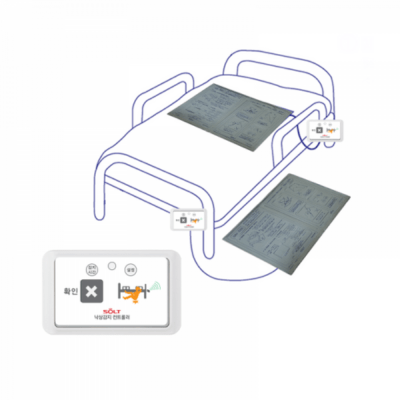
    Dr. Kapoor: “You’re not alone in feeling this way, Ravi. That’s why we’ve introduced pressure mats. Placed under a patient’s bed or at key exit points, these devices detect movement and immediately send an alert through the SOLT Wireless Nurse Call System. It’s like having an extra set of hands for every patient.” Ravi leaned forward, intrigued.

    Ravi: “So, the moment Mrs. Sharma tries to get out of bed, we’d know immediately?”

    Dr. Kapoor: “Exactly. The alerts ensure you’re there when she needs you most. It’s not just about preventing falls; it’s about lifting that constant weight of worry off your shoulders.”

    The Ripple Effect of Reassurance

    Within weeks of introducing the pressure mats, Ravi felt the difference—not just in his work but in himself.

    • Peace of Mind: “I can finally focus on patient care without the anxiety of constantly watching over my shoulder,” he shared.
    • Timely Interventions: Alerts allowed Ravi and his team to act swiftly, preventing accidents before they happened.
    • Emotional Relief: The once-heavy cloud of stress lifted, replaced by a quiet confidence that the system had their back.

    Dr. Kapoor echoed these sentiments.

    Dr. Kapoor: “These mats are more than tools. They’re a lifeline—for the patients who are safer and for the nurses whose well-being is just as important. Integrated with the SOLT Wireless Nurse Call System, they make caregiving smarter and more compassionate.”

    A Lifeline, Not Just a Device

    For the elderly, a fall is more than a physical injury—it’s a loss of confidence and independence. For nurses, the emotional toll of these incidents can be profound. Pressure mats bridge this gap, creating an environment where safety meets empathy.

    With senior citizens at high risk and caregivers bearing the emotional burden of their safety, these mats are more than equipment. They are silent guardians, ensuring every patient is looked after and every caregiver is supported.

    If you’re looking to transform your facility, SOLT Pressure Mats offer more than peace of mind—they offer a chance to redefine caregiving.

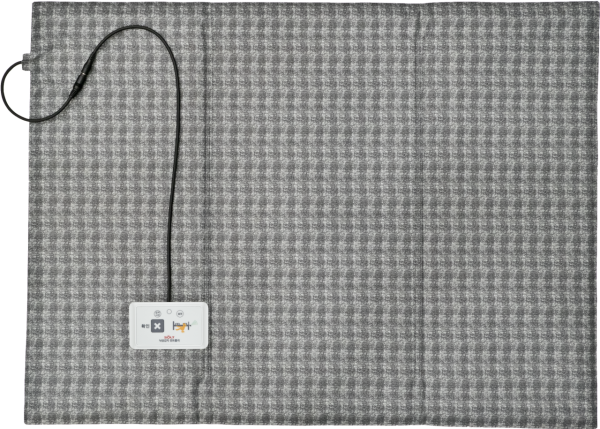
    PressureMatx1280
    SOLT – Pressure Mat

    This is not just a product. It’s a promise: to protect, to reassure, and to care. Contact us to know how SOLT Pressure Mats can make the difference.

  • Why Scalability Matters in Choosing a Nurse Call System

    nurse call system is the backbone of communication between patients and caregivers in healthcare facilities. As hospitals evolve, expand, or upgrade their infrastructure, they need a system that adapts seamlessly. Scalability ensures that hospitals can maintain uninterrupted communication and provide exceptional patient care, no matter how their needs change.

    Here’s why scalability should be a key consideration when selecting a nurse call system:

    1. Adapts to Hospital Expansion

    Hospitals frequently expand by adding new beds, wings, or specialized departments—or undergo refurbishments. A scalable nurse call system can easily accommodate these changes without requiring a complete system replacement. Adding call points, display panels, or integrations is straightforward, and relocating devices to fit new layouts is hassle-free.

    2. Supports Evolving Patient Needs

    Patient care requirements change over time. A scalable system allows hospitals to adjust configurations based on evolving needs, such as creating specialized areas for critical care, geriatrics, or paediatrics. This flexibility ensures that patients continue receiving timely care with minimal operational disruptions.

    3. Future-Proofs the Investment

    As healthcare technology evolves, hospitals must keep pace. A scalable nurse call system allows easy integration of advanced features like Code Blue alerts, emergency notifications, and automated monitoring—future-proofing the hospital’s investment without needing costly system replacements.

    4. Cost-Effective Growth

    Expanding a scalable system is more cost-effective than replacing an outdated one. Hospitals can expand system coverage, add new devices, or upgrade functionalities without exceeding their budgets. This makes scalability a practical choice for long-term planning.

    5. Customization for Unique Needs

    Every hospital has unique operational requirements. A scalable nurse call system can be configured to match hospital-specific workflows, offering custom notification tones, integrations with public address systems, and emergency sirens for added safety—all tailored to fit the facility’s structure and processes.

    Conclusion:

    Investing in a scalable nurse call system ensures operational efficiency, minimal downtime during expansions, and improved patient care. Hospitals can grow confidently while staying ahead of evolving healthcare needs. Decision-makers should prioritize scalability to safeguard their investments and deliver uninterrupted, high-quality care.

    Learn More: Discover how a wireless nurse call system can enhance scalability and reduce installation costs.

    Looking for a Customized Solution?
    Let us help you design a scalable nurse call system tailored to your hospital’s needs. Contact us today and future-proof your healthcare facility!