Tag: Hospitals

  • Understanding Radio Frequency Technology in Hospitals: Risks, Safety, and Applications

    Radio frequency (RF) technology plays a vital role in modern healthcare, enabling wireless communication between devices for seamless operations. However, concerns about its safety and potential interference with medical equipment often arise, particularly in hospital environments.

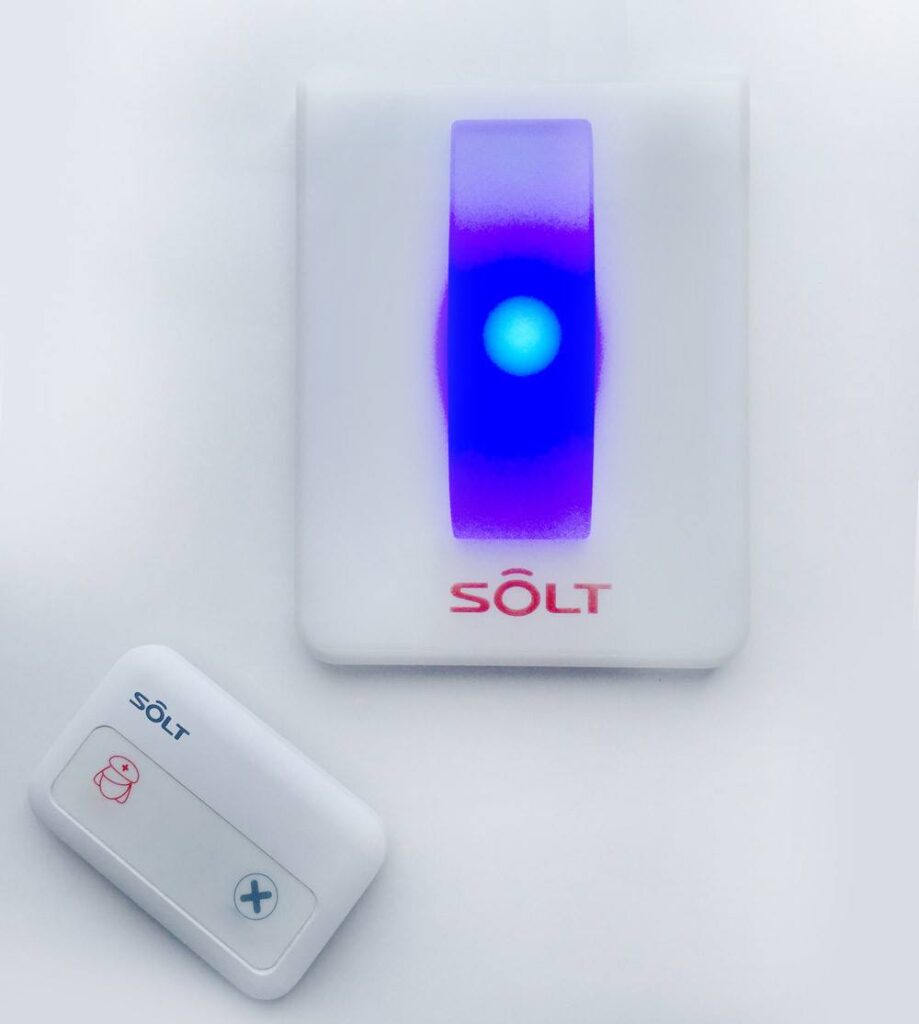
    This blog explains how RF technology is used in hospitals, addresses its safety, and highlights why the SOLT Wireless Nurse Call System is an ideal choice for healthcare and beyond.

    What is Radio Frequency?

    Radio frequency refers to the range of electromagnetic waves used for wireless communication. Operating between 3 kHz and 300 GHz, RF enables data transmission without physical connections.

    Where is RF Technology Used?

    RF technology is integral to many aspects of daily life, including:

    • Telecommunication: Mobile phones and Wi-Fi rely on RF to transmit data.
    • Entertainment: Television and radio broadcasts use RF.
    • Smart Devices: Remote controls and smart home devices like voice assistants depend on RF.
    • Healthcare: Wireless systems in hospitals, such as patient monitors and nurse call systems, use RF to enhance efficiency.

    While some RF bands, like 433 MHz, are open for general use (e.g., car key fobs), others, such as those used by telecom providers, are tightly regulated and auctioned by governments.

    Is RF Safe for Humans?

    RF exposure from most consumer and hospital devices is safe, as it operates at low power levels and complies with strict safety guidelines.

    • Safe Levels: Devices operating under 300 GHz are considered non-ionizing, meaning they don’t damage DNA or tissues.
    • Harmful Levels: High-power RF, such as industrial equipment, can cause thermal effects like tissue heating.
    • Regulations: Standards set by organizations like the FCC ensure devices remain well within safe exposure limits.

    How is RF Used in Hospitals?

    RF technology supports various critical functions in hospitals, enhancing patient care and operational efficiency:

    1. Wireless Patient Monitoring Systems
      • Devices like heart monitors transmit real-time data to central systems for continuous patient observation.
    2. Infusion Pumps
      • Wireless pumps share accurate medication details and patient data, improving care efficiency.
    3. Nurse Call Systems
      • Wireless systems, such as the SOLT Wireless Nurse Call System, allow patients to alert caregivers instantly, ensuring timely responses.
    4. Wi-Fi and IoT Devices
      • Smart beds and diagnostic tools leverage RF for streamlined operations.
    5. Communication Systems
      • RF-based pagers and wearable devices enable quick coordination across hospital departments.

    Why 433 MHz is Ideal for Hospitals?

    The SOLT Wireless Nurse Call System operates on the 433 MHz frequency band, making it a safe and reliable choice for healthcare environments:

    • Non-Interference: This band avoids overlap with frequencies used by critical medical equipment.
    • Robust Connectivity: Reliable communication even in environments with multiple RF systems.
    • Low Power: Operates at minimal power levels, adhering to global safety standards.

    Why Choose SOLT Wireless Nurse Call Systems?

    Effective communication is essential in healthcare. SOLT Wireless Nurse Call Systems provide:

    • Instant Alerts: Real-time notifications for timely caregiver responses.
    • Flexible Installation: Wireless setup eliminates the need for extensive cabling, adapting to any hospital layout.
    • Advanced Features: Includes Code Blue alerts and public address system integration, making it future-ready for modern hospitals.

    Beyond Hospitals: RF Technology in Other Settings

    The safe 433 MHz frequency also makes our systems suitable for:

    • Luxury Homes: Enhance convenience and safety with our Butler Call System.
    • Restaurants and Hotels: Improve customer service and staff coordination with wireless call systems.
    • Corporate Offices: Streamline operations with efficient communication systems.

    Conclusion: RF Technology for a Safer Tomorrow

    RF technology is indispensable in healthcare, powering systems that improve patient care and streamline operations. The SOLT Wireless Nurse Call System, operating on the safe 433 MHz frequency, ensures reliable communication without interfering with critical medical devices.

    Whether in hospitals or other settings, our RF-based systems provide unparalleled safety, efficiency, and performance.

    🔗 Learn more about SOLT Wireless Nurse Call Systems here. Read More

    Let’s create a safer, more efficient healthcare environment with trusted RF solutions.
  • Revolutionizing Patient Care: Hospitals Switch to Wireless Nurse Call Systems

    Hospitals are constantly looking for ways to improve patient care and streamline operations. One area in which many hospitals are making changes is in their nurse call systems. In the past, wired nurse call systems were the norm, but now many hospitals are switching to wireless systems.

    Wired nurse call systems use physical buttons or cords that patients or staff can press to alert nurses to their needs. These systems have been in use for many years and have been a reliable way for patients to communicate with the nursing staff. However, wired systems have several drawbacks. They can be expensive to install and maintain.

    Wireless nurse call systems, on the other hand, use radio frequency technology to transmit signals from patients’ rooms to nursing stations. These systems are much more flexible and easier to install than wired systems. They also do not require any physical wiring which saves in terms of costs and maintenance later on.

    Wireless nurse call systems are also more scalable than wired systems. Hospitals can easily add or remove call points as needed, which makes it much easier to adjust to changes in patient volume or staffing levels.

    Many hospitals in India have switched to wireless nurse call systems, and more are expected to follow suit in the coming years. The benefits of these systems are clear, and they are becoming increasingly popular as hospitals look for ways to improve patient care and streamline operations.

    In conclusion, hospitals switching from wired nurse call systems to wireless nurse call systems is a trend that is taking place across the world. The wireless nurse call systems are more flexible, easy to install, and integrated with other hospital systems. Hospitals are also finding that these systems are more scalable, allowing for better coordination of patient care and improved communication between staff.

  • Things To Consider When Choosing A Nurse Call System

    What Is The Nurse Call System And How Do I Choose?

    A Nurse Call System facilitates communication between a healthcare provider (be it Nurse, a ward boy or an ayah) and the people they serve, allowing healthcare providers to serve their patients more attentively and efficiently. Nurse call systems can be wired as well as wireless.

    Wired systems as the name suggests have wires connecting the patient’s call to the nurse’s display panel. In the case of a wireless system, there are no wires except for the power supply needed for the display panel.

    So the question then is should Healthcare units go in for a wired or wireless nurse call system? Which is better and why?

    If you ask a manufacturer, he will no doubt offer a somewhat biased opinion towards the product he is selling. Each system has its advantages and disadvantages depending on the situation.

    What Are Wire And Wireless Nurse Call Systems?

    We will try and give you the pros & cons of both types of systems. Hospitals are very dynamic in nature and their role is not just limited to taking care of the hearts of patients but also winning the hearts of people. In this scenario, it may seem from the outside that wired systems would be a better bet but are they really better? Let us dig deeper.

    The wired system calls for the hassle and the upheaval required to install cables. If you can withstand that, then wired is probably the best option. You could opt for hiding the cables in the walls and flooring or using a trunking system. Hiding the cables is a neater option, but this calls for chasing the walls, holes for the boxes etc. Also if you have to lay the cables through the floor, God forbid, it can be a huge mess. The cables have to run through the corridors, through the false ceiling. If you were to opt for trunking over wires, you will obviate the need for chasing walls. However, the other problems continue as before. Trunking stands out like a sore thumb and makes it unappetising visually.

    What happens if you have to refurbish the room at a later date or move the bed? Also while the laying of cables is being carried out, it renders the room useless. Wireless systems score heavily here against wired systems.

    Most wireless systems can be installed and commissioned in as little as a single day. Once the system is designed and installed properly, there is no need for boosting radio signal strength.

    Common Elements Of A Wireless Nurse Call System.

    Bedside point which is with the Patient – This enables the patient to call for assistance using the button. There are push buttons which can be placed on the bed head panel so the patient’s relative can call for assistance. There can also be buttons for Code Blue (cardiac emergency) or other emergency calls.

    Toilet Call Point – As the name suggests, these call points are meant for and located in the toilet. These points enable the patient to call for assistance if he/she is in the toilet. These call points have the option of a pull cord being attached to the call point. Otherwise, only the call point which can be operated by the patient can be installed.

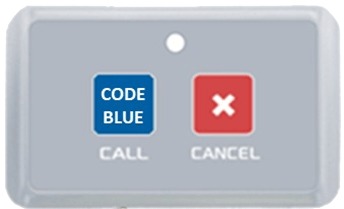
    Code Blue – This is the button pressed in case of a cardiac emergency. The sound played is different to warn the concerned people about the exigency of the situation.

    Code Blue – call point

    Emergency call – This is the button pressed in case of an emergency. The sound played is different to warn the concerned people about the situation.

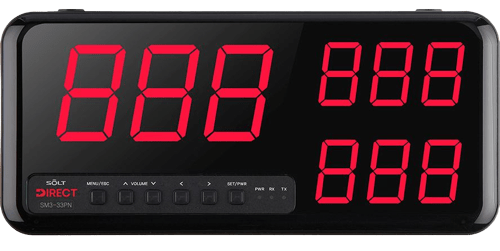
    Nurse Call Panel – This is the display panel which is normally installed at the Nurse Station but there are instances in which they are installed in the corridor and the area for Ward Boys/attendants. When the patient/relative presses the button, the call is indicated on the display panel with the appropriate sound to indicate if it is an emergency or not. The panels require a 240 V power supply socket.

    Display Panel

    PC for Logging – If you have to maintain a report of all the calls made and answered to want to see more active calls, then we have a PC monitoring software which works on Windows 10 PC. It also gives a value-added feature of Reporting and calls escalation.

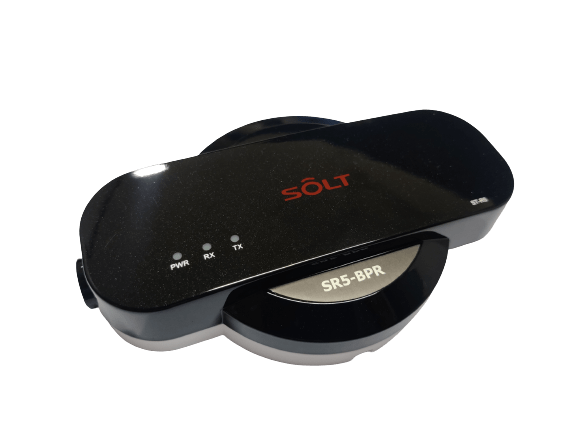
    Repeater – This is a signal repeater that boosts the signal strength so that the calls from the patient can reach the nurse call panel. The number of repeaters needed is dependent on the structure of the floor and the size of the ward. The repeaters require a 240 V power supply socket.

    Repeater

    Door lights – A door light can be mounted outside the door. It has different colours and has the option of sound also. A single door light can be connected to up to 20 beds so it can be installed in the general ward and the investment is reduced. These lights can be used for a single room and twin sharing rooms as well. The display colour can be customised as per the call type so in case there is a code blue call, the door light will show blue colour. The lights require a 240 V power supply socket.

    How Do You Install A Nurse Call System?

    Installation – The installation is very simple as it doesn’t involve any wiring. The system can be preconfigured for the bed numbers etc. so all one needs to do is fix the call points, the display panel and test. If not configured, the system location of the signal repeaters is to be determined based on the layout of the ward/floor.

    Is The Nurse Call System Hospital-Centric

    The Nurse call system is a complete solution that depends on the layout of the hospital. The number of call points depends on the number of beds that are there. Similarly, the number of toilet points depends on the number of toilets that are there. Display panels are based on the number of nurse stations. The number of repeaters needed is dependent on the structure of the floor and the size of the ward.

    Does The System Use Latest Technology

    Solt wireless Nurse call systems use (RF) radio frequency, 433 MHz which is an open band. The system is cable of handling up to 999 call points on a single nurse station panel. The system can have different call types to identify the nature of the request thus saving valuable time for the attendants and ease and speed of service. It can be used for Emergency and code blue as well and has the provision for up to 22 different sounds depending on the cell type. It also has the capability of generating reports on the PC for response times. These reports are mandatory for NABH and JCI compliance.

  • Are you indicating different times across your Hospital?

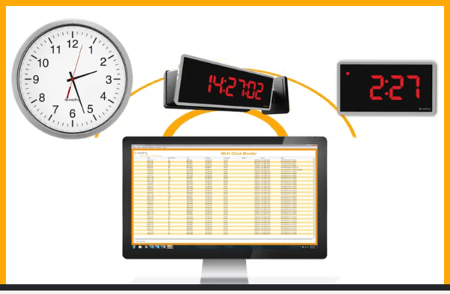
    Synchronized Clocks For Your Hospitals To Function Properly

    Master Clock retrieves its time from either an (S)NTP Server or GPS receiver to guarantee accuracy. For retrofitting with older systems

    Overcome

    • Surgery Issues: In 2000-2002 alone, approx. 24% of at-risk patients developed complications due to anaesthesia in America
    • Technological Issues by implementing a trusted source of time
    • Medication Dispensation Error: Approximately one in five medication doses hospitals administer are done so in error. The most common error is dispensing medicine at the wrong time
    • Longer Waiting Time: Daily Appointment Scheduling – A survey published in 2007 found that longer waiting times are associated with lower patient satisfaction

    With the installation of our Elapsed Timer, users can interface with the digital clock to start both countdowns and count-ups. This is extremely useful and convenient in operating rooms for Code Blue situations. Because both analogue and digital clocks may be used on the same system, there is no limit to the combination of clocks desired.

  • Wireless Nurse Call Systems in Hospitals

    In hospitals, care homes and other similar organisations, It is frequent for patients to constantly ask for help.

    Time is the essence as it can be a matter of life and death. If the patient can’t get timely assistance, it not only delays treatments but also greatly affects the whole image of the institution. It is vital for the management of such institutions to ensure that convenient and rapid assistance can be provided when needed. A wireless calling system is a necessary solution for such organisations enabling provision of timely professional service and emergency help if required.

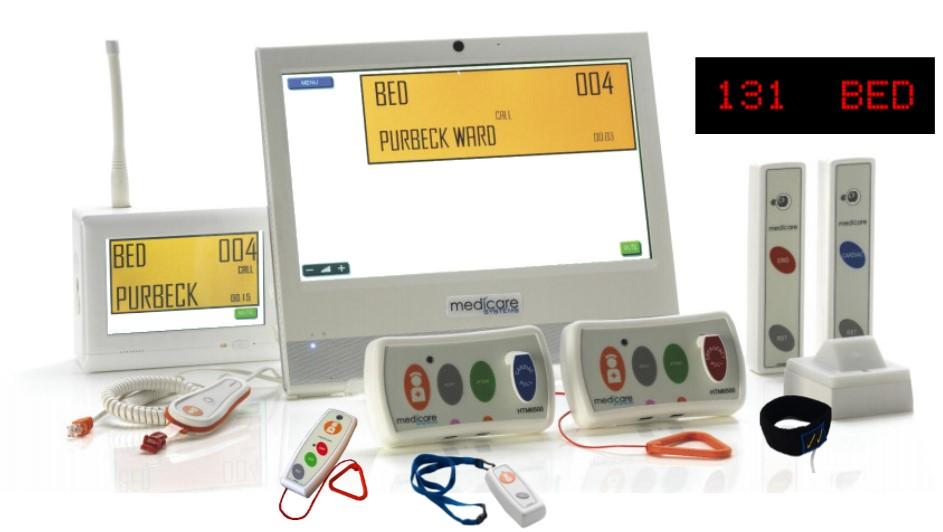
    Medicare systems are an innovative, cost-effective way for patients to call for assistance at any time just by pressing a button. It is easy to use and allows reaching out to the caregiver no matter where they are.

    The system is designed to provide patients with better quality service and helps you in monitoring your staff’s performance. The system records all the information from the patients and the time taken to respond.

    Medicare is UK based and the systems are HTM compliant. Health Technical Memoranda (HTMs) give comprehensive advice and guidance on the design, installation and operation of specialised building and engineering technology used in the delivery of healthcare. Some of the notable features of Medicare systems are:

    • For high dependency unit, (Code Blue) they have a specific single blue button unit
    • Panels are colour-coded to meet HTM guidelines
    • Calls tones are as per their HTM specifications
    • Lights are colour coded in line with HTM guidance.

    For more details contact us on sales@rincon.co.in

  • Why should Hospitals have an EDMS?

    An Electronic Document management solution (EDMS) is a clear winner as a solution for challenges hospitals face when handling medical records. We are highlighting the top 5 reasons why any hospital should opt for an EDMS:

    1. To have an efficient and a cost effective solution
      To get the relevant documents and information when required without wasting time and effort is of paramount importance in the health care arena. By viewing a medical document, different doctors can take a consultative and collective decision in any critical situation irrespective of where he is. Paper archives are extremely time-consuming to be your source of information in the long run. Not only is it difficult to fetch information from a physical document library (especially an off-site one) but also causes a whole range of tasks connected to a business process to queue up, leading to activities getting delayed and possible cost escalations. You may not feel the pinch during good times; but during an economic downturn, having invested in an EDMS can mean lower costs when it matters most. In short for efficiency improvement and to provide a collaborative means of working an EDMS is a must.
    2. To avoid Data theft / Loss of data by securing the same
      Trust but verify – Knowing who accessed what and when, is a big deal when we talk of compliance.While this may sound complicated, the fact is that information management today is more accessible than ever. Keeping an audit trail and giving the correct level of access to the right people is mandatory for any EDMS. Access control for healthcare documents is a mandatory exercise which needs to be structured with utmost care. Specific modifications can be locked out for certain users based on the hospital’s requirement. Organisations should not only adhere to the compliance requirements but also should ensure that none of the documents / information is lost or misused. In the situations where patient insurance details are misused to avail false claims it is a must to protect the data / documents from falling into the wrong hands. Having documents in the soft form also helps in maintaining backups so that in case of natural calamities or systemic failure the data is protected.
    3. To avoid delinquencies in managing medical records
      The requirements for timely medical record completion are well established in the law and through industry accreditation standards. Insurance companies and governmental payment programs may generally deny reimbursement if medical records are not complete when a claim is processed for payment. Good patient care requires the timely completion of medical records. Unless the latest documentation is included in a patient’s chart, it is unlikely that the chart will reflect what the practitioner knows and the treatment that was provided on the day that he evaluated the patient. Patient care errors can occur if medical records are incomplete when additional care is required. The medical staff rules and regulations of most hospitals have provisions which allow for the warning and then take disciplinary actions on practitioners who do not comply with the requirements for the timely completion of medical records. By having a good EDMS solution in place the MRD person would easily able to identify if any important document is missing for a patient by simply glancing through the patient document details.
    4. To provide better patient satisfaction and have a competitive edge
      Having an EDMS in place will bring dramatic improvement to respond to any requests from patients or insurance companies efficiently and effectively. These benefits are derived from the fact that accurate information about each episode of care and related patient and financial information is organized and stored in the system and accessible within seconds. Relevant users can verify billing, dispute erroneous claims and respond to any other questions while the person is waiting on the phone because all of the information is right there at their finger tips. The organization derives straight-line return on investment from its ability to answer questions on a single call-saving the cost of returning telephone calls. Customer service will be improved substantially by using a EDMS without doubt.

      A few small lapses in levels of customer service may not be too detrimental. But when the hospital’s medical record management policy (or lack of it) leads to a serious strategic or tactical error, it could result in the hospital’s reputation being seriously tarnished. This can jeopardize the hospital’s position in the market in the long term and have a cascading effect on other areas of operation.

    5. To focus on your core business
      Being busy with the mundane work doesn’t give any employee job satisfaction nor learning. Enormous amount of effort and energy may currently be spent in finding the relevant document when a doctor asks for some reports or insurance company ask for some set of documents. Instead of spending that time on searching documents, employees could spend time on quality work like improving performance of the department, reduce the billing cycle, streamline TPA activities etc. By focusing on quality work, the overall efficiency of the organisation would be improved and employees would feel the pride of working for the organisation.

    To help manage the barrage of paper and medical records associated with patients, vendors etc. investing in a good EDMS software is the best option which could integrate with the existing software including the HIMS system in place. The last thing you want to do with your new document management system is spend precious staff time doing backfile conversion. Leave that to the professionals and focus on your business.

    Contributed by Ashish Baby