Tag: RTLS

  • Reblog: Value of the new nurse call systems in hospitals

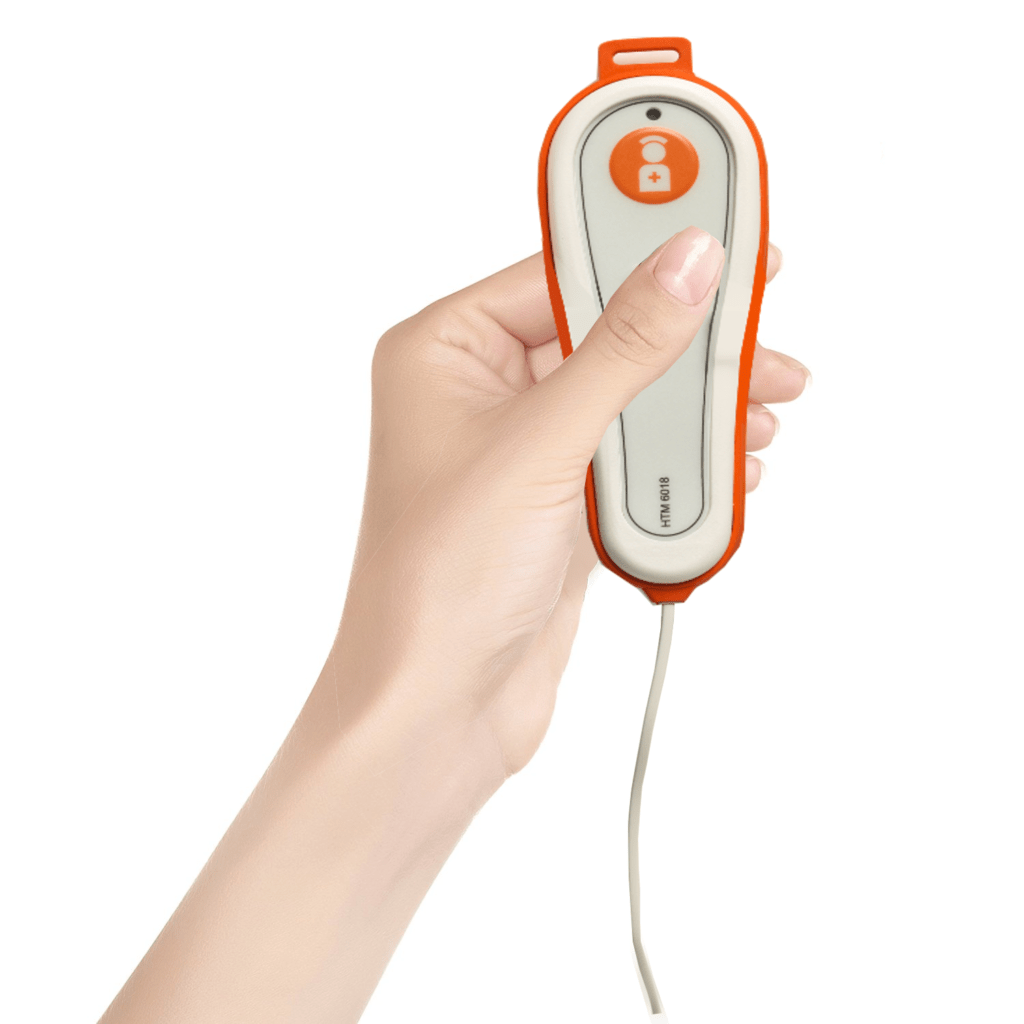
    For many years hospitals have been working hard to eliminate communication challenges and improve nursing workflows. Whether it’s locating a nurse, or responding to a patient’s request for more pain medication — it has been notoriously time consuming and difficult to streamline these workflows. One of the approaches to resolving this is through the implementation of a unified nurse calling system. This solution offers a way for nurses and patients to interact, and for nurses to get real-time notification on patient status and respond to patient requests. Previously for some of these systems, excessive wiring in patient rooms and nurses’ areas was a must, which made installation expensive and hard quite cumbersome. Fortunately though, they did end up providing tremendous value, and thus were worth the costs in the end.

    Nurse calling systems have seen several changes throughout the years. Some of the early models were based on simple light indicators — some still being used in doctors offices today — where a patient has the option to press one of few color coded buttons, causing a board at the nurses’ station to light up, indicating the room number and the color pressed.

    But in today’s market, there have been many new solutions that can do more than just light exchange. Many are IP based systems that can exchange messages, voice and data. Some of the newer nurse calling systems offer several advantages, such as:

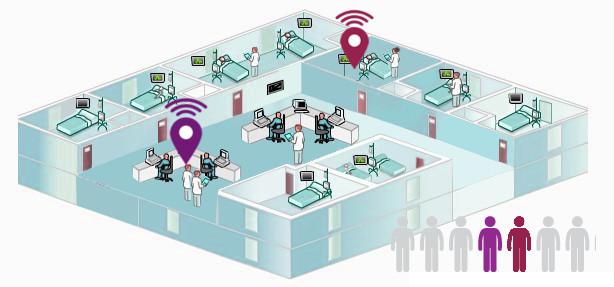
    • The ability to use RTLS (Real-time Location System) to locate a nurse on the floor
    • Two-way communication between patient-nurse or physician-nurse
    • Integration with heart monitors and other medical devices to alert nurses of a patient’s critical condition
    • Computerized dashboards that show real-time location of nurses, room status, patient info and current staff distributions
    • Wireless communication as the backbone to utilizing existing infrastructure without incurring additional wiring costs
    • IP based
    • Scalable, which enables the system to grow with demand
    • Ease of manageability and enabling IT departments to manage and support the solution
    • “There is an App for that” — well I have not seen a system with a mobile app yet, but I am certain there has to be one out there
    • Interoperability where the system can interact with other medical devices as well as HIS (Hospital Information System)

    It is very clear that new nurse calling systems will help improve patient care, as they are a good way to increase efficiency, drive positive outcomes, and help nurses provide better care for their patients.

    The original article can be found here.

    To learn more about Nurse Call Systems for usage in the healthcare vertical, contact us on sales@rincon.co.in
  • Reblog: Real-Time Location Systems (RTLS) For Hospitals: 5 Things To Consider

    Real-time location system (RTLS) technology is used in a variety of settings to determine an asset’s relative or exact location at any given moment. In hospitals and other healthcare settings, there are a number of reasons why RTLS technology is valuable:

    • Ensuring high-value equipment stays in the correct location.
    • Locating easily misplaced assets in high-traffic areas (say, an emergency room).
    • Receiving alerts if something leaves a hospital floor.
    • Monitoring people in the hospital, whether they are patients, doctors, or miscellaneous staff.

    RTLS technology has been around in various forms for about 15 years—so it exists in many different forms:

    • Infrared RTLS, like Versus.
    • WiFi RTLS, like Ekahau.
    • Ultra wide-band RTLS, like Zebra.
    • Low-cost RTLS, like AirFinder.

    Each type of RTLS solution has its benefits and drawbacks, and the solution best-suited for your needs depends largely on whether you’re involved with a health care system directly or an OEM who builds RTLS solutions for hospitals. Below, we’ll walk through five things you may want to take into consideration before you select a hospital RTLS.

    5 Things To Consider When Choosing A Hospital RTLS

    1. IS THE SOLUTION WITHIN YOUR BUDGET?

    • Tag costs: A $50 tag may not seem unreasonable—but if you need 5,000 tags, you may run into some budgetary constraints. Additionally, some solutions force you to use a proprietary tag technology instead of allowing you the choice through open source technology. This will definitely up the cost.
    • Power consumption costs: Be sure to consider how much power each tag or access point will draw as well as whether your system (or your customer’s system) can handle it.
    • Labor costs: If someone has to create an elaborate map in order to integrate your RTLS technology, you’re going accrue more labor costs.
    • Integration costs: If you’re integrating an infrared RTLS solution, this will require a great deal of work. You will have to install a tag reader in the ceiling of every room in the network and hardwire those readers back to a central access point. Of course, running cables and power through the ceiling of every room can be very disruptive and difficult to do.

    2. HOW COMPLEX WILL THE IT INTEGRATION BE?

    Working with the IT department to implement a new solution can be a frustrating experience, as it typically involves filling out a lengthy security questionnaire and waiting 3-6 months for approval. Some RTLS solutions—like AirFinder—require no IT integration whatsoever. Be sure to keep this in mind when crafting or purchasing a solution.

    3. HOW MUCH OF THE FACILITY WILL YOU NEED TO OUTFIT?

    If you’re only focused on tracking 10 items in five rooms, integrating an extensive infrared RTLS solution may be wasteful. Carefully consider what you want to track and how much of your hospital or health care system will be affected before choosing your solution.

    4. DO YOU NEED TO KNOW AN EXACT LOCATION OR A PROXIMITY?

    Does it matter whether you can triangulate the exact position of a tracked item, or do you just need to know a general location of the item, at the room level, within your hospital? Keep this in mind when you’re looking at solutions.

    5. WHAT DO YOU WANT TO TRACK?

    If you only need to track expensive capital assets, like an infusion pump or X-ray machine, spending $80 on an RTLS tag isn’t problematic. But if you need to make sure you know where Dr. Bob’s special surgery stool is (so his interns aren’t running around looking for it before the surgery can begin)—or if you want to track 1,000 pillows around the hospital—a $2 tag meets the use case more appropriately.

    The original article can be found here.

    To learn more about RTLSS contact us on sales@rincon.co.in