What Is The Nurse Call System And How Do I Choose?
A Nurse Call System facilitates communication between a healthcare provider (be it Nurse, a ward boy or an ayah) and the people they serve, allowing healthcare providers to serve their patients more attentively and efficiently. Nurse call systems can be wired as well as wireless.
Wired systems as the name suggests have wires connecting the patient’s call to the nurse’s display panel. In the case of a wireless system, there are no wires except for the power supply needed for the display panel.
So the question then is should Healthcare units go in for a wired or wireless nurse call system? Which is better and why?
If you ask a manufacturer, he will no doubt offer a somewhat biased opinion towards the product he is selling. Each system has its advantages and disadvantages depending on the situation.
What Are Wire And Wireless Nurse Call Systems?
We will try and give you the pros & cons of both types of systems. Hospitals are very dynamic in nature and their role is not just limited to taking care of the hearts of patients but also winning the hearts of people. In this scenario, it may seem from the outside that wired systems would be a better bet but are they really better? Let us dig deeper.
The wired system calls for the hassle and the upheaval required to install cables. If you can withstand that, then wired is probably the best option. You could opt for hiding the cables in the walls and flooring or using a trunking system. Hiding the cables is a neater option, but this calls for chasing the walls, holes for the boxes etc. Also if you have to lay the cables through the floor, God forbid, it can be a huge mess. The cables have to run through the corridors, through the false ceiling. If you were to opt for trunking over wires, you will obviate the need for chasing walls. However, the other problems continue as before. Trunking stands out like a sore thumb and makes it unappetising visually.
What happens if you have to refurbish the room at a later date or move the bed? Also while the laying of cables is being carried out, it renders the room useless. Wireless systems score heavily here against wired systems.
Most wireless systems can be installed and commissioned in as little as a single day. Once the system is designed and installed properly, there is no need for boosting radio signal strength.
Common Elements Of A Wireless Nurse Call System.
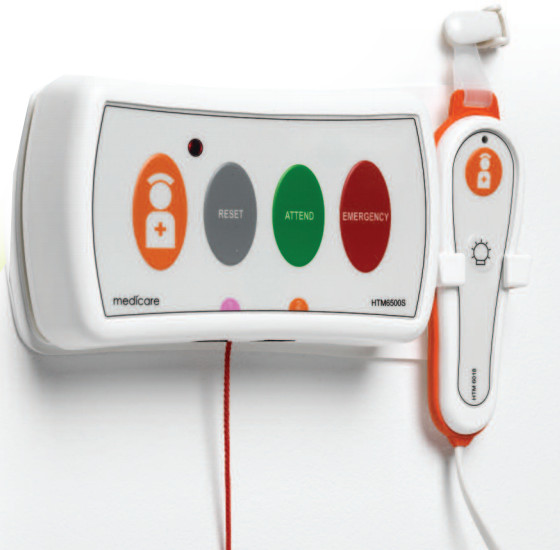
Bedside point which is with the Patient – This enables the patient to call for assistance using the button. There are push buttons which can be placed on the bed head panel so the patient’s relative can call for assistance. There can also be buttons for Code Blue (cardiac emergency) or other emergency calls.
Toilet Call Point – As the name suggests, these call points are meant for and located in the toilet. These points enable the patient to call for assistance if he/she is in the toilet. These call points have the option of a pull cord being attached to the call point. Otherwise, only the call point which can be operated by the patient can be installed.
Code Blue – This is the button pressed in case of a cardiac emergency. The sound played is different to warn the concerned people about the exigency of the situation.
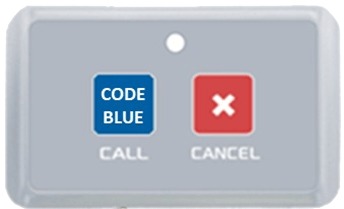
Emergency call – This is the button pressed in case of an emergency. The sound played is different to warn the concerned people about the situation.
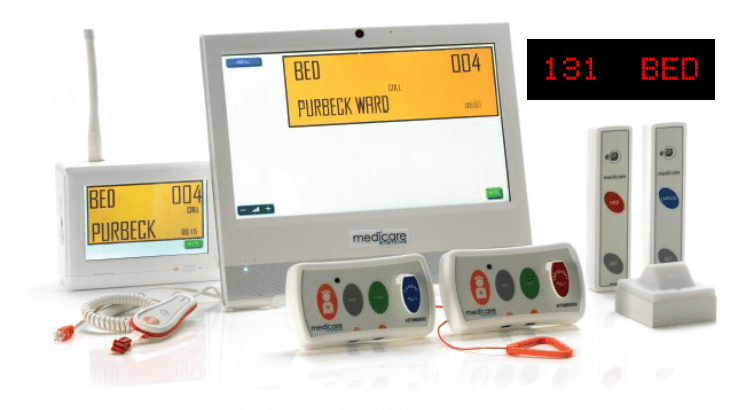
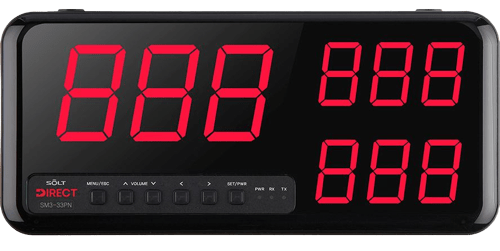
Nurse Call Panel – This is the display panel which is normally installed at the Nurse Station but there are instances in which they are installed in the corridor and the area for Ward Boys/attendants. When the patient/relative presses the button, the call is indicated on the display panel with the appropriate sound to indicate if it is an emergency or not. The panels require a 240 V power supply socket.
PC for Logging – If you have to maintain a report of all the calls made and answered to want to see more active calls, then we have a PC monitoring software which works on Windows 10 PC. It also gives a value-added feature of Reporting and calls escalation.
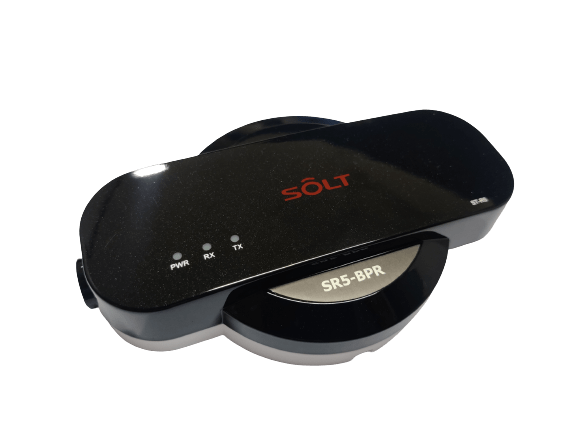
Repeater – This is a signal repeater that boosts the signal strength so that the calls from the patient can reach the nurse call panel. The number of repeaters needed is dependent on the structure of the floor and the size of the ward. The repeaters require a 240 V power supply socket.
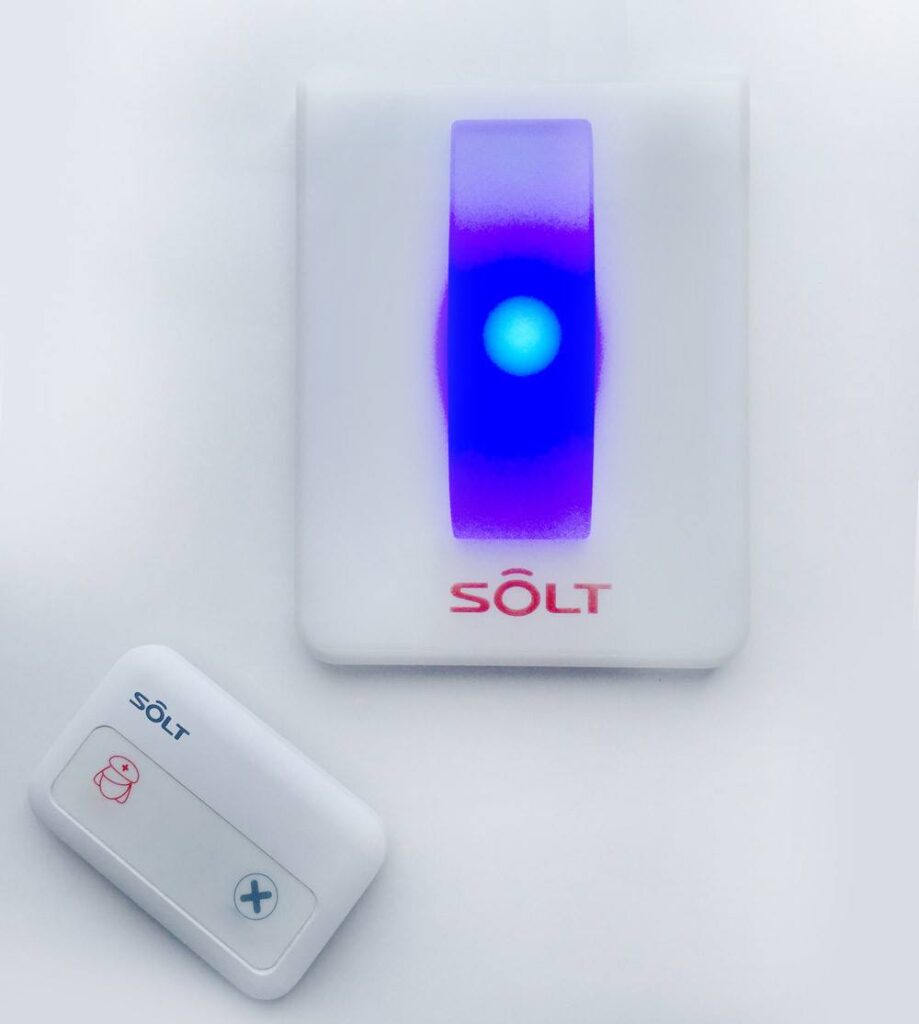
Door lights – A door light can be mounted outside the door. It has different colours and has the option of sound also. A single door light can be connected to up to 20 beds so it can be installed in the general ward and the investment is reduced. These lights can be used for a single room and twin sharing rooms as well. The display colour can be customised as per the call type so in case there is a code blue call, the door light will show blue colour. The lights require a 240 V power supply socket.
How Do You Install A Nurse Call System?
Installation – The installation is very simple as it doesn’t involve any wiring. The system can be preconfigured for the bed numbers etc. so all one needs to do is fix the call points, the display panel and test. If not configured, the system location of the signal repeaters is to be determined based on the layout of the ward/floor.
Is The Nurse Call System Hospital-Centric
The Nurse call system is a complete solution that depends on the layout of the hospital. The number of call points depends on the number of beds that are there. Similarly, the number of toilet points depends on the number of toilets that are there. Display panels are based on the number of nurse stations. The number of repeaters needed is dependent on the structure of the floor and the size of the ward.
Does The System Use Latest Technology
Solt wireless Nurse call systems use (RF) radio frequency, 433 MHz which is an open band. The system is cable of handling up to 999 call points on a single nurse station panel. The system can have different call types to identify the nature of the request thus saving valuable time for the attendants and ease and speed of service. It can be used for Emergency and code blue as well and has the provision for up to 22 different sounds depending on the cell type. It also has the capability of generating reports on the PC for response times. These reports are mandatory for NABH and JCI compliance.