Category: Blog

  • Enhancing Senior Safety with Pressure Mats: A Life-Saving Innovation 

    Caring for senior citizens requires a delicate balance between providing independence and ensuring safety. For individuals with limited mobility or those on bed rest, even a small movement can lead to potential risks such as falls or injuries. This is where pressure mats, an innovative safety device, step in to offer a practical solution.

    Designed to detect the presence or movement of individuals, pressure mats integrate seamlessly with  wireless nurse call systems, providing timely alerts to caregivers and enhancing overall safety.

    What Are Pressure Mats? 

    Pressure mats are flat, sensitive devices placed beneath a bed, chair, or in areas like doorways. They work by detecting pressure changes caused by movement or weight shifts. When triggered, they send a signal to a connected system, such as a wireless nurse call panel or wearable device, alerting caregivers immediately. 

    How Pressure Mats Work 
    1. Placement: Positioned under a mattress, on the floor near the bed, or at critical locations like door thresholds. 
    2. Detection: The mat detects when a patient tries to get up or steps onto it. 
    3. Alert Generation: Sends a signal to a connected wireless nurse call system, triggering an alert for the caregiver.
    4. Timely Response: Caregivers can respond immediately, preventing potential falls or injuries. 
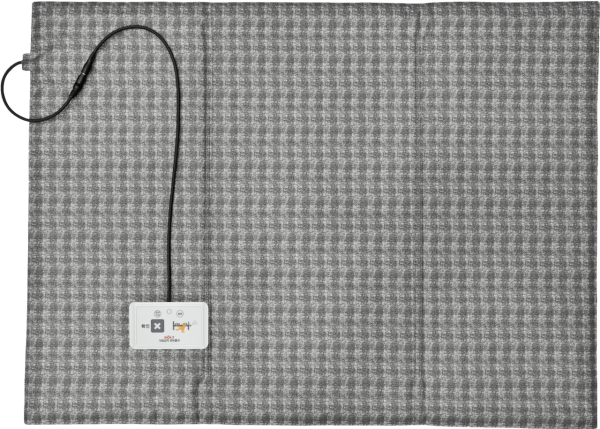
    PressureMatx1280
    SOLT – Pressure Mat
    Key Benefits of Pressure Mats 
    1. Enhanced Safety for Senior Citizens
      • Helps monitor individuals with limited mobility or those at risk of falls. 
      • Alerts caregivers when patients attempt to move without assistance. 
    2. Integration with Wireless Nurse Call Systems
      • Pressure mats seamlessly connect to systems like the SOLT Wireless Nurse Call System , enabling real-time alerts across multiple devices.
      • Caregivers can receive alerts on wearable devices or display panels for quick action. 
    3. Customisable Settings
      • Sensitivity levels can be adjusted based on the patient’s condition. 
      • Trigger mechanisms can be customised for specific use cases, such as night-time monitoring or high-risk patients. 
    4. Non-Intrusive Monitoring
      • Allows for discreet safety monitoring without infringing on the patient’s sense of independence. 
      • Does not require the patient to operate or interact with the system actively. 
    5. Preventive Care
      • Early alerts prevent accidents before they occur, reducing hospitalisations and associated costs. 
    Applications in Healthcare 

    Pressure mats are particularly useful in: 

    • Senior Care Facilities: To monitor patients on bed rest or those prone to wandering. 
    • Hospitals: In critical care units or geriatric wards where patient movement needs to be tracked closely. 
    • Home Care: For individuals recovering from surgeries or living with mobility challenges. 
    Why Choose SOLT Pressure Mats? 
    1. Seamless Integration
      • Connects effortlessly with SOLT Wireless Nurse Call Systems , ensuring caregivers receive alerts without delay.
    2. Durable and Reliable
      • Built to withstand regular use, offering consistent performance over time. 
    3. Customisable Solutions
      • Tailored to suit individual needs, ensuring the right balance of safety and independence. 
    4. Safe and Effective
      • Operates on the 433 MHz frequency, ensuring no interference with other medical equipment.

    Conclusion: A Simple Solution for Enhanced Safety 

    Pressure mats are more than just monitoring devices; they’re a proactive step toward ensuring the safety and well-being of senior citizens and patients with limited mobility. Integrated with SOLT Wireless Nurse Call Systems, they provide a comprehensive solution for caregivers, enabling timely interventions and peace of mind.

    Looking to enhance safety for your patients or loved ones?  Discover how SOLT Pressure Mats can make a difference.

    🔗  Learn more about SOLT Wireless Nurse Call Systems and Pressure Mats.

    This is not just a product. It’s a promise: to protect, to reassure, and to care. Contact us to know how SOLT Pressure Mats can make the difference.


  • The Hidden Costs of Poor Document Management (And How to Avoid Them)

    Imagine a critical client contract slipping through the cracks because no one could find the latest version. Or an audit derailed because essential documents were misplaced or improperly filed. While these might seem like isolated incidents, they point to a deeper problem: poor document management. 

    Many businesses don’t realise how much time, money and productivity they lose due to inefficient handling of documents. Beyond the obvious frustrations, the hidden costs of poor document management can have long-term effects on your organisation’s success. Let’s explore these hidden costs and how a Document Management System (DMS) can help you avoid them. 

    1. Lost Productivity

    How much time does your team spend looking for documents instead of working on tasks that add value? Studies show that employees spend 20-30% of their time searching for information. This constant back-and-forth reduces efficiency, frustrates staff and slows down decision-making. 

    How to Avoid It: 
    A DMS centralises all your documents in one secure, searchable repository. Advanced search tools and metadata tagging mean finding files takes seconds, not hours. 

    2. Increased Operational Costs

    The cost of misfiled or lost documents goes beyond wasted time. Paper storage, printing, physical filing cabinets and manual data entry all contribute to rising operational costs. Additionally, mistakes from duplicate documents or outdated files can lead to expensive errors. 

    How to Avoid It: 
    Going digital with a DMS reduces paper use, minimises storage costs and eliminates manual processes. Automated workflows cut down on repetitive tasks, saving both time and money. 

    3. Compliance and Legal Risks

    For businesses in highly regulated industries, failing to manage documents properly can result in compliance breaches, audits or legal action. Missing or improperly stored documents may lead to fines, lawsuits or reputational damage. 

    How to Avoid It: 
    A DMS ensures that documents are stored securely and in compliance with industry regulations. Features like automatic retention schedules, version control and audit trails make it easy to demonstrate compliance during audits or legal reviews. 

    4. Data Security Breaches

    Sensitive information stored in unsecured systems is vulnerable to data breaches. Without proper access controls, confidential documents could fall into the wrong hands, leading to financial loss or reputational harm. 

    How to Avoid It: 
    A robust DMS offers encryption, role-based access control and secure sharing options. This ensures that only authorised personnel have access to sensitive documents, protecting your business from cyber threats. 

    5. Lack of Collaboration and Integration

    When teams work in silos or use disconnected tools, collaboration suffers. Documents shared over email or stored on multiple drives lead to confusion, duplicated efforts and miscommunication. 

    How to Avoid It: 
    A DMS integrates seamlessly with your existing business tools, like CRM, ERP or accounting software. This ensures that documents flow smoothly across departments, improving collaboration and reducing errors. 

    6. Missed Deadlines and Delayed Approvals

    Manual document handling often leads to delayed approvals and missed deadlines. When documents sit in someone’s inbox or get buried under piles of paperwork, it slows down your entire workflow. 

    How to Avoid It: 
    A DMS automates document routing and approval processes. Notifications and reminders ensure that tasks move along without unnecessary delays, helping your business stay on track. 

    7. Inefficient Use of Storage Space

    Storing physical documents requires significant space and resources. Even digital files, when disorganised, can clog up your servers and make retrieval difficult. 

    How to Avoid It: 
    A DMS optimises storage by organising documents logically and eliminating unnecessary duplicates. Cloud-based solutions provide scalable storage, so you never run out of space.

    8. Poor Customer Service 

    When your team can’t quickly access customer information, it leads to delays, errors and dissatisfied clients. Slow responses to inquiries or the inability to retrieve key documents can damage your customer relationships. 

    How to Avoid It: 
    With a DMS, customer-related documents are easily accessible, allowing your team to respond faster and more accurately. This improves customer satisfaction and builds trust. 

    8. Poor Customer Service 

    When your team can’t quickly access customer information, it leads to delays, errors and dissatisfied clients. Slow responses to inquiries or the inability to retrieve key documents can damage your customer relationships. 

    How to Avoid It: 
    With a DMS, customer-related documents are easily accessible, allowing your team to respond faster and more accurately. This improves customer satisfaction and builds trust. 

    9. Loss of Institutional Knowledge

    When employees leave, they often take valuable knowledge with them—especially if documents and processes aren’t well-documented or organised. This leads to gaps in information and can disrupt business continuity. 

    How to Avoid It: 
    A DMS ensures that all documents are stored centrally and accessible to authorised users, preserving institutional knowledge and making onboarding easier for new employees.

    10. Difficulty Scaling Your Business 

    As your business grows, so does the volume of documents you manage. Without a scalable system in place, managing this growth becomes increasingly difficult, leading to inefficiencies and lost opportunities. 

    How to Avoid It: 
    A DMS grows with your business, handling increasing volumes of documents without compromising efficiency. Automated workflows and scalable storage make it easy to manage growth. 

    Conclusion: Invest in a Smarter Solution

    The hidden costs of poor document management can quietly drain your business of time, money and resources. From lost productivity to compliance risks, inefficient document handling creates challenges that can be easily avoided with the right tools. 

    A Document Management System not only streamlines your operations but also enhances security, ensures compliance and integrates with your existing systems. 

    At Rincon, we provide advanced Document Management and Workflow Solutions designed to eliminate these hidden costs and transform the way you work. 

    Ready to take control of your documents? Contact us today to learn how our solutions can help your business thrive. 

  • When Seconds Count – Why Panic Buttons in Private Gyms Could Save Lives

    The headlines were shocking – “Shefali Jariwala dies at the age of 42 due to cardiac arrest.” A stark reminder that life is unpredictable. Even those who seem fit and active are not immune to sudden medical emergencies. In uncertain times, the best we can do is be prepared.

    Recently, one of our long-standing clients – a reputed organisation closely linked to the Hindi film industry – approached us with a new requirement. They were already using our wireless calling system in their conference rooms. This time, their concern was far more personal – they wanted a safety mechanism for their private gym, frequented by a small group of high-profile individuals.

    Their worry was valid – the gym, located on the third floor, is often used by one or two people at a time. What if someone felt unwell or suffered an emergency while alone? The security office is on the ground floor, and shouting for help wouldn’t be an option. They needed a reliable panic alert system.

    The Solution

    We proposed using our SB7 series wireless call units, a discreet and efficient way to enhance emergency preparedness:

    • Can be kept in the pocket

    • Mounted strategically around the gym for easy access

    • Sends an instant alert to the security office when pressed

    • Requires no wiring, making it ideal for retrofitted spaces

    • Operates on RF 433 MHz, a safe and interference-free frequency

    This simple solution provides immense peace of mind. Whether it’s a solo workout or an early morning session, users can be confident that help is just a button press away.

    More Than Just a Gym Upgrade

    This isn’t just for celebrities or luxury homes. Every private gym, fitness centre or wellness space can benefit from an easy-to-install panic system. Wireless technology allows for rapid implementation without disruption to the interiors or workflow.

    You may never use it – but if the need arises, you’ll be grateful it’s there.

    Conclusion:

    Interested in making your gym or facility safer?

    Click here to speak to us

  • When Technology Saves Money: The Case for Wireless Nurse Call Systems

    There’s a common belief that upgrading to new technology means spending more. But in healthcare, the right kind of upgrade doesn’t just bring better performance—it also cuts costs.

    Take wireless nurse call systems for instance. Traditional wired systems come with their own set of challenges—extensive cabling, disruption during installation, higher labour costs, and limited flexibility. 

    But when hospitals switch to SOLT Wireless Nurse Call Systems, they experience not only a technological leap but significant financial savings.

    No Wiring, No Hassles

    Installing a wired system in an operational hospital often requires shutdowns, civil work and days of labour. Wireless systems eliminate all of that. SOLT operates on a safe RF band (433 MHz), which means no internet or Wi-Fi dependency, and no tangled wires behind the walls. This makes installation quicker and drastically cheaper.

    Scalability Without Cost Spikes

    Adding more beds or wings in the future? Wireless systems grow with you. Call points and display panels can be added or relocated without costly infrastructure changes. No need to redo wiring or disturb the hospital layout—saving time and money.

    Built-In Compliance Tools

    Accreditation bodies like NABH require audit trails of patient care and response times. With SOLT, all call data is automatically logged. Hospitals no longer need expensive software or extra staff to track response times manually. This makes audits easier and keeps hospitals ready for inspections without extra expense.

    Low Maintenance, High Reliability

    SOLT systems are built to last. With minimal moving parts and long battery life, the cost of upkeep is negligible compared to wired systems prone to wear and tear. In fact, most users report little to no service needs over several years.

    Conclusion:

    Not all upgrades break the bank. When hospitals choose SOLT Wireless Nurse Call Systems, they’re investing in a solution that brings peace of mind, regulatory readiness and serious cost benefits.

  • Wireless Doesn’t Always Mean WiFi: Why RF is a Better Choice for Nurse Call Systems

    When most people hear the word  wireless, they immediately think of WiFi. It’s what connects our phones, laptops and smart TVs. But in hospitals, when it comes to something as critical as a nurse call system, WiFi might not be the best option.

    That’s where Radio Frequency (RF) technology comes in. While both WiFi and RF operate wirelessly, their use cases and reliability differ significantly—especially in clinical settings.

    What’s the difference?

    WiFi is designed to handle heavy data like video calls, browsing and media streaming. It works on high frequencies like 2.4 GHz and 5 GHz, which can often get congested and interfere with other systems. RF technology used in nurse call systems, typically around 433 MHz, is designed for short, quick, reliable signal transmission—exactly what’s needed in an emergency.

    Why RF is better for nurse call systems
    • Independence from IT networks:  RF systems don’t rely on internet or LAN connections, so they continue working even if the hospital network is down.

    • No interference:  The 433 MHz frequency avoids overlapping with medical equipment and IT systems, making it safe and stable.

    • Reliable coverage:  RF signals penetrate walls and medical infrastructure better than WiFi, ensuring consistent performance.

    • Lower power consumption:  Devices using RF consume less power, making battery-operated systems more durable.

    • Simpler and cost-effective:  RF systems are easy to install without the complexity of routers or cybersecurity concerns.

    Conclusion:

    For hospitals,  wireless doesn’t always mean WiFi. When patient safety depends on quick response times,  RF-based wireless nurse call systems  offer a dependable, low-maintenance solution that just works.

  • Celebrating 27 Years of Trust, Teamwork and Togetherness

    Celebrating 27 Years of Trust, Teamwork and Togetherness

    Today, Rincon India Solutions Private Limited turns 27.

    It is with immense gratitude and humility that we mark this special milestone. From our modest beginnings to where we stand today, every step has been built on the trust and goodwill of those who have believed in us.

    To our customers – your continued faith and support have been our biggest motivators. You’ve stood by us through changing times, and we are here today because of your belief in our capabilities and commitment.

    To the Principals we represent and have represented – thank you for placing your trust in Rincon to carry your brands and technologies forward in India. Your collaboration has helped shape our identity.

    To our team members, both past and present – thank you for your dedication, perseverance and passion. You have been the heart of Rincon, and your contributions are deeply valued.

    To our families – your support behind the scenes has been the quiet strength that keeps us going.

    To our vendors, bankers and service providers – your professionalism and support have helped us deliver with consistency and quality.

    A heartfelt thank you to everyone who has been a part of this journey. As we celebrate 27 years, we remain committed to learning, growing and delivering meaningful value in all we do.
    Here’s to the years behind us and the exciting road ahead.

    – Team Rincon
  • DMS vs Traditional File Storage – What’s the Real Difference?

    The Real Difference Between DMS and Manual Document Storage 

    Every business handles documents—contracts, invoices, employee records and reports. The question is, how are these documents managed? Many organisations still rely on traditional file storage methods, stacking up physical files in cabinets or saving digital files in unorganised folders on shared drives. But is this approach really the most efficient or secure? 

    Enter the Document Management System (DMS)—a modern solution designed to streamline how businesses store, access and manage documents. But what exactly makes a DMS different from traditional file storage? Let’s break it down. 

    1. Ease of Access 

    Traditional File Storage: 
    Accessing documents stored in physical files or unorganised digital folders is time-consuming. Employees often spend valuable time hunting through filing cabinets or scrolling through endless folders to find a single document. If a file is misplaced, it can take hours—sometimes days—to locate, if it’s found at all. 

    Document Management System (DMS): 
    A DMS offers instant access to documents through powerful search features. Documents are stored in a centralised, digital repository, making it easy to retrieve files using keywords, tags or metadata. Whether you need an invoice from five years ago or a recent contract, it’s just a few clicks away. 

    2. Security and Control 

    Traditional File Storage: 
    Physical files are vulnerable to damage from fire, floods or theft. Even digital files stored on local servers or shared drives are at risk of being accidentally deleted, duplicated or accessed by unauthorised users. There’s minimal control over who views or edits sensitive information. 

    Document Management System (DMS): 
    A DMS offers robust security features like role-based access control, encryption and audit trails. Only authorised personnel can view, edit or share sensitive documents. Every action is logged, providing a clear record of who accessed what and when. This not only protects data but also helps businesses meet compliance requirements. 

    3. Efficiency and Productivity

    Traditional File Storage: 
    Manual document handling slows down workflows. Approvals require physical signatures, documents must be manually routed between departments and mistakes like misfiling or version control issues are common. This inefficiency drains time and resources. 

    Document Management System (DMS): 
    A DMS automates workflows, reducing manual tasks and speeding up approvals. Documents are automatically routed to the right people, and digital signatures streamline the approval process. Version control ensures that everyone is working with the most up-to-date file, eliminating confusion and errors. 

    4. Space and Cost 

    Traditional File Storage: 
    Physical documents take up significant space—filing cabinets, storage rooms and even offsite storage facilities. While the cost of paper and storage may seem minor at first, it adds up over time. Renting extra office space or paying for offsite storage is an often-overlooked expense. 

    Document Management System (DMS): 
    A DMS eliminates the need for physical storage, freeing up valuable office space. Digital files are stored securely in the cloud or on servers, reducing costs associated with paper, printing and storage. Businesses save not only on physical space but also on operational expenses like filing supplies and maintenance. 

    5. Disaster Recovery and Business Continuity 

    Traditional File Storage: 
    If a disaster strikes—like a fire, flood or data breach—physical files can be permanently lost, and recovering data from outdated backup systems is often challenging. This puts business continuity at risk. 

    Document Management System (DMS): 
    A DMS offers automatic backups and disaster recovery options. Even in the event of a system failure or cyberattack, your documents are safe and can be restored quickly. This ensures that your business operations continue smoothly, no matter what. 

    6. Collaboration and Remote Access 

    Traditional File Storage: 
    Collaborating on physical files requires being in the same location, and even digital files on shared drives can be difficult to manage when multiple people are working on them simultaneously. Version control issues and delays in communication are common. 

    Document Management System (DMS): 
    A DMS allows real-time collaboration from anywhere. Multiple users can access, edit and comment on documents simultaneously, whether they’re in the office or working remotely. This improves teamwork, speeds up projects and ensures that everyone is on the same page. 

    7. Compliance and Audit Readiness 

    Traditional File Storage: 
    Regulatory compliance requires businesses to store documents securely and maintain clear records. Traditional file storage makes it difficult to track document access and ensure that data is stored in line with compliance requirements. Audits become time-consuming and stressful. 

    Document Management System (DMS): 
    A DMS simplifies compliance by maintaining detailed audit trails and ensuring secure document handling. Whether it’s financial regulations, healthcare standards or data privacy laws like India’s Digital Personal Data Protection Act, 2023 (DPDP), a DMS ensures that your business is always audit-ready. 

    Conclusion: The Real Difference

    While traditional file storage may seem familiar and straightforward, it comes with hidden costs—lost time, increased risk, inefficiencies and unnecessary expenses. A Document Management System offers a modern, efficient and secure solution that not only improves productivity but also protects your business from data loss, compliance issues and escalating storage costs. 

    At Rincon, we provide advanced Document Management and Workflow Solutions designed to streamline your operations and reduce costs. 

    Ready to make the switch? Contact us today to learn how a DMS can transform your document management processes. 

  • The Role of Wireless Call Systems in Elderly and Critical Care Units

    Protecting the Vulnerable: How Wireless Call Systems Transform Elderly and Critical Care 

    Providing timely, efficient, and reliable care is paramount in elderly care and critical care units. Patients in these environments often have limited mobility, chronic health conditions, or are recovering from serious medical events. The need for immediate assistance is crucial, and this is where wireless call systems become an essential part of healthcare delivery. 

    SOLT Wireless Call Systems  are designed to enhance patient safety, streamline communication, and reduce the workload on healthcare staff. With features such as pressure mats for fall prevention, emergency call points, and wearable alerts for staff, these systems are transforming how care is provided in geriatric and critical care units.

    Why Wireless Call Systems Are Essential in Elderly and Critical Care 

    Elderly and critically ill patients often face mobility challenges, making them prone to falls and medical emergencies. Efficient communication systems ensure that these patients receive immediate attention, improving both safety and overall care quality. 

    • Quick response times to prevent complications
    • Fall prevention mechanisms such as pressure mats
    • Reduced staff workload and improved efficiency
    Key Features of SOLT Wireless Call Systems in Elderly and Critical Care 
    1. Pressure Mats for Fall Prevention

    Falls are a leading cause of injury among the elderly. SOLT Wireless Call Systems include pressure mats that play a critical role in fall prevention: 

    • Placed under beds or near exit points, these mats trigger an alert when a patient attempts to move unassisted
    • Caregivers receive instant notifications, allowing them to intervene before a fall occurs
    • Pressure mats integrate seamlessly with the nurse call system, ensuring timely responses
    2. Emergency Call Points in Key Locations

    Patients in critical care often need immediate medical attention. SOLT systems provide: 

    • Bedside call buttons for quick access to help
    • Emergency call points in bathrooms, reducing the risk of unnoticed incidents
    • Foot-operated switches in operating theatres for hands-free alerts 
    3. Wearable Alerts for Staff Efficiency 

    Healthcare staff can be notified via wearable devices such as pagers or smartwatches, ensuring: 

    • Real-time notifications wherever staff are located
    • Reduced response times, improving patient outcomes 
    • Prioritisation of calls based on urgency, ensuring critical situations are handled promptly 
    4. Integration with Hospital Systems for Comprehensive Care

    SOLT Wireless Call Systems are designed for seamless integration with other hospital technologies:

    • Electronic Health Records (EHR) to document patient interactions automatically
    • Public address systems for emergency alerts
    • Smart beds and monitoring systems to provide holistic patient care
    5. Easy Installation with Minimal Disruption

    Installing communication systems in critical care environments can be challenging. SOLT offers: 

    • Wireless installation with no need for complex wiring
    • Flexible placement of call points and devices to fit any care environment
    • Scalable systems that can be expanded as needed without disrupting care 
    6. Low Maintenance and Cost-Effective

    SOLT Wireless Call Systems are designed to be both affordable and low-maintenance: 

    • Long-lasting batteries reduce the need for frequent replacements
    • Durable call points that withstand daily use in busy care environments
    • Remote support and troubleshooting, ensuring continuous operation 
    Benefits for Healthcare Staff and Patients 
    1. Reducing Staff Stress and Workload 

    Nurses and caregivers in elderly and critical care units often experience high levels of stress due to the demanding nature of their work. SOLT systems help by: 
    🔹 Streamlining communication, reducing the need for unnecessary movement 
    🔹 Automating alerts for routine tasks, allowing staff to focus on direct patient care 
    🔹 Ensuring critical alerts are prioritised, reducing decision-making pressure 

    2. Improving Patient Safety and Comfort 

    Patients feel more secure knowing that help is just a button press away. SOLT systems enhance patient experience by: 
    🔹 Providing quick access to assistance in case of emergencies 
    🔹 Reducing the risk of falls through proactive monitoring 
    🔹 Ensuring timely responses from caregivers, improving overall satisfaction 

    Conclusion: The Future of Shipping is Digital

    In elderly care and critical care units, patient safety and quick response times are non-negotiable. SOLT Wireless Call Systems provide innovative solutions such as pressure mats, wearable alerts, and seamless integrations with hospital systems to ensure patients receive the highest standard of care. By improving efficiency, reducing staff stress, and ensuring timely interventions, these systems play a pivotal role in modern healthcare. 

    Looking to enhance care in your elderly or critical care units? Contact us today to learn how SOLT Wireless Call Systems can transform patient care.

  • Transforming Container Freight Shipping Agencies with DMS and Workflow Solutions

    Cut Costs and Boost Efficiency in Shipping with DMS Solutions

    Managing a container freight shipping agency isn’t just about moving goods from point A to point B. It’s about navigating complex logistics, coordinating between departments and ensuring compliance with industry regulations—all while maintaining profitability and efficiency. This juggling act often leads to paperwork overload, process delays and missed opportunities. 


    This is where Document Management Systems (DMS) and workflow solutions step in. By digitising operations and automating workflows, shipping agencies can streamline processes, reduce errors and boost overall efficiency. Let’s take a closer look at how DMS can transform different departments within a container freight shipping agency. 

    1. Operations: Simplifying Logistics and Cargo Management

    The operations department in a shipping agency deals with an overwhelming amount of paperwork—shipping manifests, bill of lading documents, customs clearance forms and more. Managing these manually can cause delays and errors that ripple through the entire supply chain. 

    The DMS Advantage:

    • Centralised Document Access: All shipping documents are stored in a single digital repository, making it easy to retrieve them at any point in the process.
    • Real-Time Tracking: Automated workflows update shipping schedules and cargo tracking information instantly, keeping everyone informed.
    • Compliance Made Easy: Customs and international shipping regulations are easier to meet with version-controlled and audit-ready documentation.

    The Impact:
    One agency reported a 40% reduction in processing time for customs clearance, allowing them to move shipments faster and reduce demurrage costs.

    2. Finance and Accounts: Streamlining Invoicing and Payments 

    With records stored electronically and backed up in centralised systems, operations can continue even if the original office is compromised. In this case, the agency could resume work from another location almost immediately.

    In shipping, invoice management is crucial. Delayed invoices mean delayed payments, and manual errors in billing can damage relationships with clients and vendors.

    The DMS Advantage:

    • Automated Invoicing: Invoices are generated automatically based on shipping schedules and delivery confirmations, reducing manual input.
    • Faster Approvals: Workflow automation routes invoices to the right people for quick approvals, avoiding bottlenecks.
    • Improved Accuracy: Financial documents are version-controlled and audit-ready, reducing the risk of errors during reconciliation.

    The Impact:
    Agencies using DMS for finance processes have seen a 50% reduction in payment delays and improved cash flow management.

    3. Secretarial: Managing Legal and Regulatory Compliance 

    The secretarial team in a shipping agency handles legal documentation, corporate filings and compliance reports. Manually managing these documents increases the risk of missing critical deadlines or losing sensitive data. 

    The DMS Advantage: 

    • Secure Storage: Legal documents are encrypted and protected with role-based access controls, ensuring only authorised personnel can view or edit them. 
    • Automated Reminders: The system sends alerts for important deadlines, such as licence renewals, regulatory submissions and contract expirations. 
    • Audit-Ready Documentation: Every action taken on a document is logged, simplifying audits and ensuring transparency. 

    The Impact: 
    With automated reminders and centralised documentation, shipping agencies have improved compliance rates and reduced the risk of penalties for missed deadlines. 

    4. HR Department: Simplifying Recruitment and Employee Management 

    Managing HR processes like recruitment, employee onboarding and performance reviews is challenging in fast-paced shipping environments. Paper-based systems slow down hiring and make it difficult to maintain accurate records. 

    The DMS Advantage: 

    • Digital Onboarding: New employee documents, contracts and certifications are collected and stored digitally, speeding up the onboarding process. 
    • Automated Workflows: HR workflows—like leave approvals and performance reviews—are automated, reducing administrative overhead. 
    • Secure Employee Records: Sensitive information is stored securely with access restricted to authorised HR personnel. 

    The Impact: 
    One agency reduced the time taken for onboarding new employees by 30%, allowing them to quickly scale operations during peak shipping seasons. 

    5. Cross-Department Collaboration: Breaking Down Silos

    In many shipping agencies, different departments operate in silos, causing miscommunication and delays. DMS and workflow solutions foster better collaboration by connecting teams through a centralised platform.

    The DMS Advantage:

    Unified Access: Departments can access shared documents and workflows in real time, ensuring everyone is on the same page.

    Seamless Communication: Workflow automation routes documents between departments, eliminating the need for endless email chains.

    Version Control: Teams always work on the latest version of documents, avoiding confusion and errors.

    The Impact:
    Agencies report a significant reduction in internal communication delays and improved coordination between operations, finance and HR.

    Conclusion: The Future of Shipping is Digital

    From operations to finance, secretarial to HR, the benefits of Document Management Systems and workflow automation are clear. Shipping agencies that embrace digital transformation can expect faster processes, fewer errorsand improved compliance—all contributing to better service delivery and higher profitability. 

    At Rincon, we provide Document Management and Workflow Solutions tailored to the unique challenges of shipping agencies. 

    Ready to transform your shipping operations? Contact us today to learn how we can help streamline your workflows and improve efficiency. 

  • World Environment Day Special: How Going Paperless Protects the Planet

    Each year, World Environment Day reminds us of the urgent need to care for our planet. While many think of tree planting or waste reduction, there’s another impactful change that organisations can make—reducing paper consumption by adopting document management and workflow solutions.

    Paper may seem harmless, but the environmental cost is high. It’s not just about trees. Producing paper requires water, chemicals and energy. Transporting and storing it adds to the carbon footprint. And when paper is discarded, it contributes to landfill waste.

    That’s where going digital makes a real difference.

    • With document management and workflow systems in place, organisations can:
    • Store documents electronically, eliminating the need for physical copies
    • Share files instantly without printing, faxing or mailing
    • Automate approvals and processes without hard copies
    • Access information remotely, reducing travel and courier use

    Not only does this save time and money—it significantly reduces paper waste, energy usage and emissions.

    Beyond the environmental benefits, going paperless also improves efficiency, data security and collaboration. It’s a win for the planet and a win for business.

    This World Environment Day, let’s reflect on the choices we make in our daily operations. Digital transformation isn’t just about convenience—it’s about responsibility.

    Every file you don’t print, every form you digitise and every process you automate contributes to a more sustainable future.

    Small steps lead to big change. Going paperless is one of them.