Category: Blog

  • How DMS and Workflow Solutions Are Changing the Game for Educational Institutions

    Educational institutions juggle more than just teaching students. Behind the scenes, there’s a mountain of administrative work—student records, HR files, financial documents and compliance paperwork. When managed manually, this can lead to inefficiencies, lost documents and wasted time. Schools, colleges and universities are realising that handling everything on paper or through outdated systems isn’t sustainable. 

    This is where Document Management Systems (DMS) and workflow solutions come in. They’re not just fancy tools; they’re transforming how educational institutions operate—making processes smoother, quicker and more reliable. 

    Let’s dive into how DMS is making life easier for schools and colleges, from admissions to HR and finance. 

    1. Student Records: Organised, Accessible, Secure 

    Think about how much paperwork goes into a student’s academic journey—admission forms, transcripts, attendance records, fee receipts and more. Managing this manually is a nightmare, especially when staff need to retrieve records quickly. 

    How DMS Helps: 

    • Centralised Storage: All student documents are stored digitally in one secure place, accessible anytime by authorised staff. 
    • Quick Search and Retrieval: Instead of rummaging through filing cabinets, staff can search by student name, roll number or other filters to find records instantly. 
    • Data Security: Sensitive student information is protected through encryption and role-based access, ensuring only the right people can view or edit records. 

    The Impact: 
    Institutions using DMS have reported a 70% decrease in the time it takes to access student records, making processes like transcript requests and grade verification faster and more efficient. 

    2. HR Department: Simplifying Recruitment and Staff Management

    Managing a team of teachers, administrators and support staff involves more paperwork than you’d expect. From hiring new faculty to handling employee evaluations, the HR department can get bogged down by manual processes. 

    How DMS Helps: 

    • Digital Onboarding: New hire documents, contracts and certifications are collected and stored digitally, speeding up the recruitment process. 
    • Automated Workflows: Leave requests, performance appraisals and contract renewals are handled automatically, freeing up HR staff for more strategic tasks. 
    • Secure Record Keeping: Staff records are securely stored, with role-based access to protect confidential information. 

    The Impact: 
    One college reduced the time taken to onboard new faculty by 40%, helping them fill positions faster and keep classes running smoothly. 

    3. Finance and Accounts: Streamlining Billing and Budget Management 

    Handling tuition fees, vendor payments and budgeting is no small task. Paper-based finance systems are prone to errors, delays and compliance risks. 

    How DMS Helps: 

    • Automated Fee Collection: Tuition invoices are generated and tracked automatically, reducing missed payments and manual errors. 
    • Faster Approvals: Workflow automation routes financial documents to the right people for quick approvals, avoiding bottlenecks. 
    • Transparent Financial Records: Audit trails keep a clear record of all transactions, making it easy to prepare for audits and ensure compliance. 

    The Impact: 
    Educational institutions using DMS for finance have seen a 50% reduction in billing errors and improved cash flow management, ensuring budgets are met and vendors are paid on time. 

    4. Admissions Process: Making It Smooth and Hassle-Free

    Admissions season can be chaotic. Applications flood in, documents get misplaced and processing delays frustrate both staff and students. 

    How DMS Helps: 

    • Online Application Management: Applications and supporting documents are submitted and stored digitally, making it easy to review and process them quickly. 
    • Automated Notifications: Students receive instant updates on the status of their applications, reducing the volume of inquiries. 
    • Faster Decision-Making: Admission officers can quickly access and review documents, helping them make faster decisions and meet deadlines. 

    The Impact: 
    Schools and colleges have reported a 60% improvement in the speed of processing admissions, leading to a smoother experience for both students and staff. 

    5. Compliance and Accreditation: Always Audit-Ready

    Educational institutions need to comply with various regulations, from academic accreditations to financial audits. Managing compliance manually is time-consuming and increases the risk of missing important deadlines. 

    How DMS Helps: 

    • Automated Compliance Workflows: The system sends reminders for accreditation renewals, regulatory submissions and audit deadlines. 
    • Audit Trails: Every action taken on a document is logged, making it easy to provide documentation during audits. 
    • Data Security: Compliance with data protection laws like India’s Digital Personal Data Protection Act, 2023 (DPDP) ensures student and staff data is securely managed. 

    The Impact: 
    Institutions using DMS are more prepared for audits and accreditations, reducing the risk of non-compliance penalties and ensuring they maintain their certifications.

    Conclusion: Smarter Schools Start with DMS

    From managing student records and HR files to streamlining finance and ensuring compliance, Document Management Systems and workflow automation are helping educational institutions run more smoothly. By reducing paperwork, speeding up processes and ensuring data security, DMS solutions free up staff to focus on what matters most—educating students. 

    At Rincon, we offer Document Management and Workflow Solutions designed to meet the unique needs of schools, colleges and universities. 

    Ready to simplify your institution’s operations? Contact us today to learn how we can help you transform your workflows and improve efficiency. 

  • Creating Intelligent Spaces: The Power of Wireless Calling Systems in Homes

    The Future of Smart Living: How Wireless Calling Systems Are Revolutionizing Luxury Homes

    Convenience Redefined: The Butler Calling System

    Large homes and villas often require seamless coordination between residents and household staff. The Butler Calling System allows homeowners to summon assistance with a simple press of a button. Whether in the living room, bedroom, or dining area, this discreet yet powerful tool ensures efficient service without disrupting the home’s tranquillity. 

    Safety First: Emergency Call Points and Senior Care

    Bathrooms are often overlooked when it comes to safety. Emergency call points installed discreetly in bathrooms provide immediate assistance during slips or emergencies. 

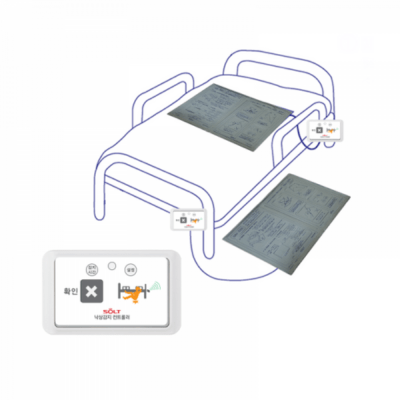
    For senior citizens, the integration of pressure mats adds an additional layer of security. These mats are designed to detect movement and send alerts to caregivers, helping prevent falls and ensuring timely intervention in case of emergencies. 

    Fall Prevention with Pressure Mats

    Falls are one of the leading causes of injuries among seniors. Pressure mats, strategically placed under beds or near exits, notify caregivers the moment a senior tries to move. These proactive safety measures not only protect loved ones but also provide peace of mind for family members. 

    Integration with Home Automation Systems

    Wireless calling systems take smart home technology to the next level. By integrating with existing home automation systems, they can seamlessly connect to security, lighting, and other smart devices. Imagine pressing a button to summon help while automatically activating room lighting and security cameras. 

    Enhancing Modern Luxury Living

    Wireless calling systems embody the perfect balance of elegance and functionality. Their sleek, compact designs blend effortlessly into luxury interiors, ensuring that aesthetics are never compromised. Beyond their visual appeal, these systems offer an unmatched level of comfort and security that aligns perfectly with the demands of modern luxury living. 

    Wireless calling systems are no longer just tools for convenience; they are essential elements of a smarter, safer home. From Butler Calling Systems to emergency call points and pressure mats, these innovations enhance every aspect of luxury living. By integrating cutting-edge technology with thoughtful design, they empower homeowners to enjoy their spaces with confidence and peace of mind. 

    Looking to transform your home into a smarter, safer haven? Discover the possibilities with SOLT Wireless Calling Systems today. 

  • Understanding the Legal Side of Digital Document Storage in India

    As businesses in India increasingly shift toward digital solutions, the adoption of digital document storage systems has become a necessity for reducing paper dependency, streamlining operations, and cutting costs. However, transitioning to digital storage isn’t just about efficiency—it also involves navigating a complex legal landscape. 

    Whether you’re running a small business or managing a large enterprise, understanding the legal framework surrounding digital document storage in India is crucial to ensure compliance and avoid potential penalties

    From Digital Signatures to Data Security: Essential Legal Guidelines for Businesses

    Digital Signatures and Their Legal Validity

    India’s Information Technology (IT) Act, 2000 recognizes the use of digital signatures for authenticating electronic documents. Documents signed digitally using a valid digital certificate carry the same legal weight as physically signed ones. 

    Key Takeaway: Ensure digital signatures are obtained through a licensed Certifying Authority under the IT Act to ensure their validity in court. 

    Legal and Compliance Guidelines for Digital Documents in India

    With the increasing emphasis on privacy, India’s Digital Personal Data Protection Act, 2023 (DPDP) outlines how businesses must handle and store personal data digitally. This includes ensuring that: 

    • Data is processed with the user’s consent. 
    • Adequate security measures are in place to prevent unauthorized access. 
    • Data retention is limited to what is necessary for business or regulatory purposes. 

    Key Takeaway: Always prioritize data protection when storing digital documents that include sensitive or personal information. 

    Under the Indian Evidence Act, 1872, electronic records are admissible in court, provided they meet certain conditions, such as being properly authenticated and stored securely. Businesses must ensure their digital storage solutions comply with these requirements. 

    Key Takeaway: Implement robust systems that maintain the integrity and authenticity of stored documents. 

    Indian laws like the Income Tax Act, 1961, and the Companies Act, 2013, mandate specific retention periods for certain documents. For instance: 

    • Books of accounts must be retained for a minimum of 8 years
    • Tax-related documents must be preserved for the period specified under tax laws. 

    Key Takeaway: Understand the retention requirements for your industry and configure your digital systems to comply with them. 

    The IT Act emphasizes the need for businesses to ensure the security and confidentiality of electronic records. This includes using encryption, access controls, and regular security audits to protect digital documents. 

    Key Takeaway: Invest in a secure document management system (DMS) that complies with security standards like ISO 27001. 

    Digital documents must be safeguarded against loss or damage caused by cyberattacks, technical failures, or natural disasters. Regulatory bodies often recommend maintaining backups of important documents in geographically separate locations. 

    Key Takeaway: A robust backup and recovery plan is not optional—it’s essential for legal compliance and business continuity. 

    If your business stores data in servers outside India, be aware of cross-border data transfer regulations under the DPDP Act. This includes ensuring adequate safeguards for personal data stored in foreign locations. 

    Key Takeaway: Verify the data storage policies of your service providers to ensure compliance with Indian laws. 

    India’s Information Technology (IT) Act, 2000 recognizes the use of digital signatures for authenticating electronic documents. Documents signed digitally using a valid digital certificate carry the same legal weight as physically signed ones. 

    Key Takeaway: Ensure digital signatures are obtained through a licensed Certifying Authority under the IT Act to ensure their validity in court. 

    Legal and Compliance Guidelines for Digital Documents in India

    With the increasing emphasis on privacy, India’s Digital Personal Data Protection Act, 2023 (DPDP) outlines how businesses must handle and store personal data digitally. This includes ensuring that: 

    • Data is processed with the user’s consent. 
    • Adequate security measures are in place to prevent unauthorized access. 
    • Data retention is limited to what is necessary for business or regulatory purposes. 

    Key Takeaway: Always prioritize data protection when storing digital documents that include sensitive or personal information. 

    Under the Indian Evidence Act, 1872, electronic records are admissible in court, provided they meet certain conditions, such as being properly authenticated and stored securely. Businesses must ensure their digital storage solutions comply with these requirements. 

    Key Takeaway: Implement robust systems that maintain the integrity and authenticity of stored documents. 

    Indian laws like the Income Tax Act, 1961, and the Companies Act, 2013, mandate specific retention periods for certain documents. For instance: 

    • Books of accounts must be retained for a minimum of 8 years
    • Tax-related documents must be preserved for the period specified under tax laws. 

    Key Takeaway: Understand the retention requirements for your industry and configure your digital systems to comply with them. 

    The IT Act emphasizes the need for businesses to ensure the security and confidentiality of electronic records. This includes using encryption, access controls, and regular security audits to protect digital documents. 

    Key Takeaway: Invest in a secure document management system (DMS) that complies with security standards like ISO 27001. 

    Digital documents must be safeguarded against loss or damage caused by cyberattacks, technical failures, or natural disasters. Regulatory bodies often recommend maintaining backups of important documents in geographically separate locations. 

    Key Takeaway: A robust backup and recovery plan is not optional—it’s essential for legal compliance and business continuity. 

    If your business stores data in servers outside India, be aware of cross-border data transfer regulations under the DPDP Act. This includes ensuring adequate safeguards for personal data stored in foreign locations. 

    Key Takeaway: Verify the data storage policies of your service providers to ensure compliance with Indian laws. 

    How to Stay Compliant

    Here are some actionable steps to ensure your business complies with India’s legal framework for digital document storage:

    1. Invest in a DMS: Use a Document Management System that meets legal requirements for data security, retention, and accessibility.
    2. Train Your Team: Educate employees on the legal implications of handling and storing digital documents.
    3. Review Policies Regularly: Stay updated with changes in Indian laws and adjust your policies accordingly.
    4. Partner with Experts: Consult legal and IT experts to audit your digital storage systems and ensure compliance.

    Conclusion: Compliance Is Key

    While digital document storage offers numerous advantages, understanding and adhering to India’s legal framework is crucial to avoid fines, penalties, or reputational damage. By implementing secure systems, following data protection guidelines, and staying updated on regulatory changes, businesses can leverage digital storage while staying fully compliant. 

    At Rincon, we offer Document Management and Workflow Solutions that not only streamline your document storage but also help you stay compliant with Indian laws. 

    Want to know more? Contact us today to learn how we can support your digital storage needs while ensuring compliance and security. 

  • Choosing the Right Calling System for Your Business: A Comprehensive Guide

    Clear and efficient communication is essential for any business, whether it’s a hospital managing critical patient care, a restaurant enhancing service efficiency, or an office streamlining operations. The right calling system ensures seamless coordination, reduces response times, and improves overall workflow. 

    With various options available, how do you choose the one that best fits your needs? This guide breaks down the key factors to consider before making a decision.

    Key Factors to Consider When Choosing a Calling System

    1. Scalability

    A good calling system should grow with your business. Whether adding more patient beds in a hospital, increasing restaurant seating or expanding office spaces, the system should be easily expandable without major modifications.

    2. Safety and Reliability

    In environments like hospitals and schools, safety is a top priority. Reliable communication can prevent emergencies from escalating, making it crucial to choose a system operating on a secure, interference-free frequency like 433 MHz.

    3. Ease of Installation

    Wired systems require extensive infrastructure changes, often leading to operational disruptions. In contrast, wireless calling systems offer quick, non-intrusive installation, making them ideal for both new and existing facilities.

    4. Features and Customization

    Different industries have unique needs—a hospital might need Code Blue emergency alerts, while a restaurant may require table service buttons. Choose a system thatoffers flexibility and can be tailored to your specific business requirements.

    5. Cost-Effectiveness

    While wired systems have a high initial setup cost, wireless solutions tend to be more cost-effective in the long run due to lower maintenance and adaptability.

    Why 433 MHz Frequency is the Preferred Choice

    When choosing a wireless calling system, frequency matters. The 433 MHz band is widely preferred due to its: 

    • Non-Interference – It avoids overlapping with Wi-Fi and critical medical devices, ensuring smooth operation in hospitals and offices. 
    • Long-Range Coverage – Ideal for multi-floor buildings, large properties and open spaces like restaurants and hotels. 
    • Energy Efficiency – Devices operating on 433 MHz consume less power, offering longer battery life and lower operational costs

    How Wireless Calling Systems Compare with Alternatives

    Feature Wireless Systems Wired Systems Other Wireless Systems
    Scalability Easily expandable Requires rewiring Limited options
    Installation Quick, non-intrusive Complex, costly Moderate
    Reliability Interference-free (433 MHz) No wireless function Varies by brand
    Customization Highly flexible Limited by design Depends on system
    Cost Cost-effective long-term High initial cost Varies

    FAQs on Choosing the Right Calling System

          1. Can the system be expanded as my business grows?
            Yes. A good system should allow seamless expansion—whether adding new hospital rooms, restaurant tables or office spaces.
          2. Will the system interfere with existing networks or medical devices?
            Wireless systems operating on 433 MHz are interference-free, making them safe for hospitals, corporate offices and hospitality spaces.
          3. Is installation disruptive to ongoing business operations?
            Not at all. Wireless calling systems require minimal installation time, ensuring no interruptions to daily operations.
          4. Can the system be customised for different industries?Yes! Businesses can choose industry-specific features, such as emergency alerts for hospitals, table service for restaurants and butler calling for luxury homes.
          5. What about maintenance and long-term costs?
            Wireless systems require minimal upkeep, making them a cost-effective, long-term investment.

    Choosing the Right System: A Future-Ready Solution

    Investing in the right calling system ensures better communication, improved efficiency and enhanced customer or patient satisfaction. Businesses should focus on scalability, reliability and ease of use when making a decision. 

    For those looking for a proven, efficient solution, SOLT Wireless Calling Systems provide a flexible, reliable and cost-effective option. With advanced features like Code Blue alerts, wearable notifications and seamless integration across industries, SOLT offers cutting-edge technology designed for modern business needs

    📞 Interested in upgrading your communication system? Contact us today to learn more!

  • The Paperless Office: Myths, Realities, and How a DMS Can Make It Happen

    The idea of a paperless office has intrigued businesses for decades. The vision of clutter-free desks, digital workflows, and instant access to files is appealing, but many still struggle to achieve it.

    What’s holding businesses back? Misconceptions about going paperless, lack of the right tools, or fear of change? Let’s break down the myths, uncover the realities, and explore how a Document Management System (DMS) can turn the vision of a paperless office into reality.

    Let’s Talk Numbers: What Impact Does Going Paperless Make?

    Going paperless isn’t just a buzzword; it’s a game-changer with tangible benefits. Here’s a closer look at the numbers behind its impact:

    Myths About Going Paperless

    1. “Going Paperless Is Too Expensive”
      Many believe transitioning to a paperless office requires a hefty upfront investment. However, studies show that companies can save up to $80 per employee annually by reducing paper usage, printing, and storage costs.
    2. “We’ll Lose Important Documents”
      Some fear digitizing documents might lead to data loss or disorganization. In reality, 93% of companies using DMS report better file retrieval efficiency, with fewer misplaced documents.
    3. “It’s Too Complicated to Implement”
      Businesses assume adopting a paperless system disrupts workflows. However, modern DMS platforms are user-friendly, and 70% of businesses report full implementation within 3 to 6 months.
    4. “It’s Not Secure”
      Paper-based systems are often considered safer because they’re tangible. Yet, 60% of paper records are at risk of physical damage or theft, whereas digital systems with encryption and role-based access provide superior protection.

    The Realities of a Paperless Office

    1. Time and Cost Savings
      Employees spend an average of 18 minutes searching for a paper document, costing companies both time and productivity. By going paperless, businesses save an estimated $2,000 per employee annually in lost productivity and operational costs.
    2. Improved Efficiency
      Digital workflows streamline processes like approvals, file sharing, and data retrieval. Studies indicate that paperless offices are 50% faster in task completion compared to their paper-reliant counterparts.
    3. Better Security and Compliance
      A paperless office ensures sensitive documents are encrypted and stored securely. Compliance features like audit trails and version control help 65% of companies reduce compliance-related penalties.
    4. Eco-Friendly Operations
      The average office worker uses 10,000 sheets of paper annually. Going paperless significantly reduces environmental impact, helping organizations align with sustainability goals.

    How a DMS Can Make the Paperless Office a Reality

    A Document Management System (DMS) is the backbone of a paperless office. Here’s how it works:

    • Document Digitization: Convert all your paper documents into searchable digital files. A DMS supports various file types like PDFs, images, and more, ensuring smooth digitization.
    • Centralized Storage: Store all documents in a secure, centralized repository. Say goodbye to filing cabinets and shared drives.
    • Automated Workflows: Automate repetitive tasks like document approvals and notifications, eliminating delays and errors.
    • Advanced Search: Locate documents in seconds using keywords, tags, or metadata. No more digging through folders!
    • Access Control: Restrict document access to authorized personnel, ensuring confidentiality.
    • Audit Trails: Keep track of every action on a document for transparency and compliance.

    The Journey to Paperless: Step-by-Step

    1. Assess Your Current Workflow: Identify processes and departments with heavy paper usage.
    2. Digitize Existing Records: Use a DMS to scan and store paper documents digitally.
    3. Implement Digital Workflows: Transition manual tasks like approvals and file sharing to automated workflows.
    4. Train Your Team: Familiarize employees with the DMS to ensure smooth adoption.
    5. Monitor and Optimize: Continuously improve processes based on feedback and usage data.

    Why It’s Worth the Effort

    Transitioning to a paperless office isn’t just about reducing clutter; it’s about building a more efficient, secure, and sustainable business.

    • Save Time: Reduce the 30% of working hours employees spend on document-related tasks.
    • Cut Costs: Save up to $25,000 annually by reducing printing, storage, and labor costs for medium-sized businesses.
    • Enhance Security: Protect sensitive documents with encryption and role-based access.
    • Achieve Sustainability: Help your organization contribute to environmental goals by drastically cutting paper usage.

    At Rincon, we specialize in helping businesses make the shift to a paperless office with our advanced Document Management and Workflow Solutions. Our tools are designed to simplify your journey, making the transition smooth and impactful.

    Ready to go paperless? Contact us today to learn how Rincon’s DMS can transform your operations and help you achieve your paperless goals.

  • Understanding Radio Frequency Technology in Hospitals: Risks, Safety, and Applications

    Radio frequency (RF) technology plays a vital role in modern healthcare, enabling wireless communication between devices for seamless operations. However, concerns about its safety and potential interference with medical equipment often arise, particularly in hospital environments.

    This blog explains how RF technology is used in hospitals, addresses its safety, and highlights why the SOLT Wireless Nurse Call System is an ideal choice for healthcare and beyond.

    What is Radio Frequency?

    Radio frequency refers to the range of electromagnetic waves used for wireless communication. Operating between 3 kHz and 300 GHz, RF enables data transmission without physical connections.

    Where is RF Technology Used?

    RF technology is integral to many aspects of daily life, including:

    • Telecommunication: Mobile phones and Wi-Fi rely on RF to transmit data.
    • Entertainment: Television and radio broadcasts use RF.
    • Smart Devices: Remote controls and smart home devices like voice assistants depend on RF.
    • Healthcare: Wireless systems in hospitals, such as patient monitors and nurse call systems, use RF to enhance efficiency.

    While some RF bands, like 433 MHz, are open for general use (e.g., car key fobs), others, such as those used by telecom providers, are tightly regulated and auctioned by governments.

    Is RF Safe for Humans?

    RF exposure from most consumer and hospital devices is safe, as it operates at low power levels and complies with strict safety guidelines.

    • Safe Levels: Devices operating under 300 GHz are considered non-ionizing, meaning they don’t damage DNA or tissues.
    • Harmful Levels: High-power RF, such as industrial equipment, can cause thermal effects like tissue heating.
    • Regulations: Standards set by organizations like the FCC ensure devices remain well within safe exposure limits.

    How is RF Used in Hospitals?

    RF technology supports various critical functions in hospitals, enhancing patient care and operational efficiency:

    1. Wireless Patient Monitoring Systems
      • Devices like heart monitors transmit real-time data to central systems for continuous patient observation.
    2. Infusion Pumps
      • Wireless pumps share accurate medication details and patient data, improving care efficiency.
    3. Nurse Call Systems
      • Wireless systems, such as the SOLT Wireless Nurse Call System, allow patients to alert caregivers instantly, ensuring timely responses.
    4. Wi-Fi and IoT Devices
      • Smart beds and diagnostic tools leverage RF for streamlined operations.
    5. Communication Systems
      • RF-based pagers and wearable devices enable quick coordination across hospital departments.

    Why 433 MHz is Ideal for Hospitals?

    The SOLT Wireless Nurse Call System operates on the 433 MHz frequency band, making it a safe and reliable choice for healthcare environments:

    • Non-Interference: This band avoids overlap with frequencies used by critical medical equipment.
    • Robust Connectivity: Reliable communication even in environments with multiple RF systems.
    • Low Power: Operates at minimal power levels, adhering to global safety standards.

    Why Choose SOLT Wireless Nurse Call Systems?

    Effective communication is essential in healthcare. SOLT Wireless Nurse Call Systems provide:

    • Instant Alerts: Real-time notifications for timely caregiver responses.
    • Flexible Installation: Wireless setup eliminates the need for extensive cabling, adapting to any hospital layout.
    • Advanced Features: Includes Code Blue alerts and public address system integration, making it future-ready for modern hospitals.

    Beyond Hospitals: RF Technology in Other Settings

    The safe 433 MHz frequency also makes our systems suitable for:

    • Luxury Homes: Enhance convenience and safety with our Butler Call System.
    • Restaurants and Hotels: Improve customer service and staff coordination with wireless call systems.
    • Corporate Offices: Streamline operations with efficient communication systems.

    Conclusion: RF Technology for a Safer Tomorrow

    RF technology is indispensable in healthcare, powering systems that improve patient care and streamline operations. The SOLT Wireless Nurse Call System, operating on the safe 433 MHz frequency, ensures reliable communication without interfering with critical medical devices.

    Whether in hospitals or other settings, our RF-based systems provide unparalleled safety, efficiency, and performance.

    🔗 Learn more about SOLT Wireless Nurse Call Systems here. Read More

    Let’s create a safer, more efficient healthcare environment with trusted RF solutions.

  • The Top 5 Document Management Challenges Faced by Businesses (And How to Overcome Them)

    Managing documents effectively is a critical part of running a business. From financial records and contracts to operational workflows, every organization deals with vast amounts of information daily. Yet, without the right tools and strategies, document management can quickly become a headache.

    Did you know that 21% of daily productivity losses in medium-sized businesses are attributed to poor document management? Or that 7.5% of all company documents are lost entirely, costing businesses significant time and money to recreate or retrieve them?

    1. Difficulty in Document Retrieval

    One of the most common challenges is locating the right document when you need it most. Studies reveal that employees spend an average of 18 minutes searching for a single document, which translates to hours of lost productivity each week.

    How to Overcome It:

    • Implement a centralized document storage system.
    • Use advanced search capabilities, such as keyword or metadata tagging, to locate files quickly.

    2. Lack of Data Security

    According to recent reports, 60% of businesses have experienced a data breach in the past two years, often due to unsecured document management practices. Sensitive files like financial records and client contracts are especially vulnerable to unauthorized access.

    How to Overcome It:

    • Restrict access using role-based permissions.
    • Encrypt sensitive files and ensure secure backups are maintained.

    3. Compliance Risks

    In sectors with strict regulations, non-compliance can result in significant fines, legal penalties, and reputational damage. A survey of compliance officers found that nearly 50% struggle to retrieve documents promptly during audits, increasing the likelihood of non-compliance.

    How to Overcome It:

    • Maintain detailed audit trails to track document interactions.
    • Ensure your system is designed to meet regulatory standards like GDPR, HIPAA, or ISO 27001.

    4. Manual Processes and Bottlenecks

    Relying on manual document workflows—like physical approvals or email chains—not only slows operations but also increases errors. It’s estimated that 46% of professionals cite manual processes as their biggest productivity bottleneck.

    How to Overcome It:

    • Automate document-related workflows, such as approvals and reviews.
    • Use digital tools to streamline collaboration and eliminate repetitive tasks.

    5. Limited Scalability

    As businesses grow, so does the volume of their documents. Without scalable solutions, managing large amounts of data becomes inefficient. A report indicates that 60% of growing businesses face operational inefficiencies due to outdated document management practices.

    How to Overcome It:

    • Adopt a document management system that can grow with your organization.
    • Ensure the solution can handle high volumes of data without compromising performance.

    Final Thoughts

    The figures are clear: poor document management is a costly inefficiency that affects productivity, compliance, and security. Addressing these challenges with the right strategies and tools is essential to staying competitive in today’s fast-paced environment.

    At Rincon, we understand the unique challenges businesses face and offer advanced Document Management and Workflow Solutions tailored to your needs. From secure storage and retrieval to automated workflows, our solutions help you streamline operations, enhance security, and ensure compliance.

    Ready to transform your document management? Contact us today to learn how Rincon’s capabilities can make a difference for your business.

  • Revolutionising Hospital Efficiency: The Role of Wireless Nurse Call Systems

    Revolutionising Hospital Efficiency: The Role of Wireless Nurse Call Systems

    In healthcare, communication is more than a convenience—it’s the lifeline that ensures smooth operations and timely patient care. Delays in communication can cost precious minutes, especially in emergencies. Traditional wired nurse call systems, while functional in the past, are no longer adequate for today’s dynamic healthcare environments.

    Enter wireless nurse call systems—a transformative solution designed to enhance communication, streamline workflows, and improve the patient experience.

    Why Communication is the Backbone of Hospital Efficiency

    Effective communication does more than just connect staff; it transforms hospital operations:

    • Time Savings: Enables quicker responses to patient needs, reducing delays.
    • Improved Patient Experience: Faster service creates a sense of value and care for patients.
    • Operational Excellence: Smooth communication workflows free up staff to focus on quality care rather than coordination issues.
    • Reducing Nurse Burnout: Nurses often spend a significant amount of time coordinating over the phone, juggling requests between departments. This constant communication load adds unnecessary stress, leading to burnout. Streamlined workflows through nurse call systems can alleviate this burden.

    Despite these needs, many hospitals continue to rely on traditional wired systems that lack flexibility and come with significant limitations.

    Limitations of Wired Nurse Call Systems

    Wired systems are inherently rigid, making them less effective in today’s fast-paced healthcare settings:

    1. Costly and Disruptive Installation
      • Imagine needing to set up communication between the 4th floor and the ground floor. A wired system would require extensive cabling that runs through walls, ceilings, and floors, involving significant structural changes. This process is not only time-consuming but also expensive.
    2. Inflexibility
      • Fixed call points cannot be easily moved to adapt to changes, such as ward reconfigurations or expansions.
    3. Operational Downtime
      • Adding new features or call points involves disruptions, including drilling, rewiring, and temporary system shutdowns, causing inconvenience to staff and patients alike.
    4. Limited Coordination Capabilities
      • Wired systems are unsuitable for modern workflows, where quick coordination between departments like housekeeping, maintenance, and admissions is crucial.

    How Wireless Nurse Call Systems Transform Healthcare Communication

    Wireless nurse call systems provide a flexible, cost-effective, and efficient alternative to traditional wired systems. Here’s how:

    1. Flexibility Without Structural Changes
      • Wireless systems eliminate the need for cabling, saving both time and money. They are quick to set up and adaptable to any hospital layout, making them ideal for expanding facilities or reorganising wards.
    2. Streamlined Coordination
      • With wireless nurse call systems, alerts can be tailored to specific workflows. For example:
        • Housekeeping can be notified immediately after patient discharge.
        • Maintenance can be informed of urgent repairs without phone calls.
        • Admissions can be alerted when a room is ready, ensuring faster turnover.
    3. Reduced Communication Overload
      • By automating notifications and workflows, these systems reduce the constant need for nurses to communicate via phone. This not only saves time but also lowers stress levels for healthcare staff, leading to better productivity and job satisfaction.
    4. Instant Notifications
      • Patient and staff calls are displayed immediately on nurse station panels, and nearby nurses can respond faster by noticing visual call indicators outside rooms.

    Why Wireless is a Game-Changer

    Wireless nurse call systems redefine communication, offering significant advantages over wired systems:

    • Faster Setup: No need for extensive structural modifications or downtime.
    • Scalability: New call points and features can be added effortlessly.
    • Cost-Effectiveness: Eliminates expensive cabling and reduces installation costs.
    • Ease of Relocation: Call points can be repositioned as needed without disruption.

    The Benefits of Wireless Communication for Hospitals

    Adopting a wireless nurse call system offers advantages for all stakeholders:

    • For Patients:
      • Quicker responses to their needs.
      • Enhanced care in critical units where time is vital.
    • For Staff:
      • Reduced workload by automating coordination tasks.
      • Easier prioritisation with categorised alerts.
      • Lower stress and burnout, fostering a healthier work environment.
    • For Hospitals:
      • Improved workflows eliminate delays and bottlenecks.
      • A seamless patient journey, from admission to discharge, builds trust and strengthens reputation.

    Why Choose SOLT Wireless Nurse Call Systems?

    The SOLT Wireless Nurse Call System is engineered to meet the unique demands of healthcare:

    • Real-Time Alerts: Immediate notifications ensure quick action.
    • Customisable Configurations: Easily adapt to changing requirements without downtime.
    • Reliable Technology: Operates on the safe 433 MHz frequency, avoiding interference with medical equipment.

    From general wards to critical care units, SOLT delivers dependable, efficient communication that benefits both staff and patients.

    The Future of Healthcare Communication

    In a competitive healthcare landscape, investing in technologies that enhance efficiency, patient care, and adaptability is essential. Wireless nurse call systems are not just tools—they’re transformative solutions that redefine hospital operations and elevate the patient experience.

    Ready to revolutionise communication in your hospital? Discover how the SOLT Wireless Nurse Call System can make a difference.

    🔗 Learn more about our solutions. Read More

  • “Silent Guardians: How Pressure Mats Are Easing Nurses’ Hidden Struggles”

    Scene: A quiet hospital ward, 3:00 a.m.

    Anjali adjusted her scrubs, her eyes scanning the dimly lit corridor. The faint beeping of monitors echoed in the background as she approached the nurses’ station. There sat Ravi, his shoulders slumped and dark circles shadowing his tired eyes.

    Anjali: “Ravi, are you okay? You look completely wiped out.”

    Ravi: (exhaling deeply) “It’s Mrs. Sharma again, Room 204. She tried to get out of bed on her own last night. I caught her just in time. But it’s always the same—what if I hadn’t been there? What if I miss something next time?”

    Anjali nodded, understanding the weight of his words. As nurses, they carried more than just their responsibilities; they carried the relentless worry of what could go wrong.

    Close-up of a healthcare professional in blue scrubs with a stethoscope and clipboard.

    A Silent Epidemic in Caregiving

    Ravi’s fear wasn’t misplaced. For caregivers, the struggle is as much emotional as it is physical. The worry isn’t a passing thought—it’s a constant, gnawing presence. According to the World Health Organization (WHO):

    • 1 in 4 senior citizens falls every year globally.
    • Falls are the second leading cause of accidental injury deaths worldwide.
    • Over 37 million falls annually result in injuries requiring medical attention.

    In hospitals, a large number of these falls happen when patients try to leave their beds unaided—leading to fractures, head injuries, or worse.

    For nurses like Ravi, every fall feels personal. They second-guess themselves, wondering if they could have done more. The emotional toll builds silently, leading to stress, exhaustion, and even burnout

    A Quiet Revolution: Pressure Mats

    Enter pressure mats—a solution so subtle yet transformative that it changes the narrative for both patients and caregivers.

    That morning, as Ravi sipped his coffee, Dr. Kapoor, the hospital administrator, joined the conversation.

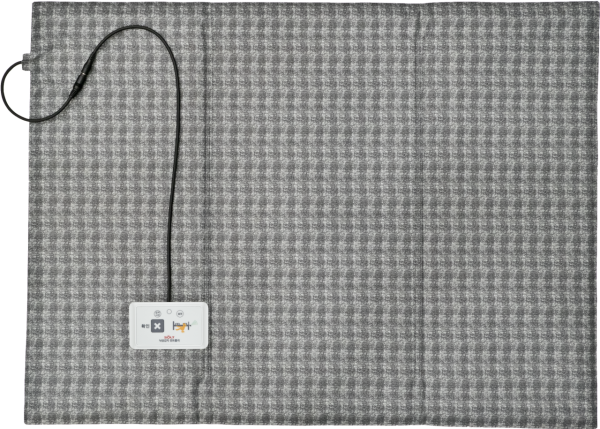
    Dr. Kapoor: “You’re not alone in feeling this way, Ravi. That’s why we’ve introduced pressure mats. Placed under a patient’s bed or at key exit points, these devices detect movement and immediately send an alert through the SOLT Wireless Nurse Call System. It’s like having an extra set of hands for every patient.” Ravi leaned forward, intrigued.

    Ravi: “So, the moment Mrs. Sharma tries to get out of bed, we’d know immediately?”

    Dr. Kapoor: “Exactly. The alerts ensure you’re there when she needs you most. It’s not just about preventing falls; it’s about lifting that constant weight of worry off your shoulders.”

    The Ripple Effect of Reassurance

    Within weeks of introducing the pressure mats, Ravi felt the difference—not just in his work but in himself.

    • Peace of Mind: “I can finally focus on patient care without the anxiety of constantly watching over my shoulder,” he shared.
    • Timely Interventions: Alerts allowed Ravi and his team to act swiftly, preventing accidents before they happened.
    • Emotional Relief: The once-heavy cloud of stress lifted, replaced by a quiet confidence that the system had their back.

    Dr. Kapoor echoed these sentiments.

    Dr. Kapoor: “These mats are more than tools. They’re a lifeline—for the patients who are safer and for the nurses whose well-being is just as important. Integrated with the SOLT Wireless Nurse Call System, they make caregiving smarter and more compassionate.”

    A Lifeline, Not Just a Device

    For the elderly, a fall is more than a physical injury—it’s a loss of confidence and independence. For nurses, the emotional toll of these incidents can be profound. Pressure mats bridge this gap, creating an environment where safety meets empathy.

    With senior citizens at high risk and caregivers bearing the emotional burden of their safety, these mats are more than equipment. They are silent guardians, ensuring every patient is looked after and every caregiver is supported.

    If you’re looking to transform your facility, SOLT Pressure Mats offer more than peace of mind—they offer a chance to redefine caregiving.

    PressureMatx1280
    SOLT – Pressure Mat

    This is not just a product. It’s a promise: to protect, to reassure, and to care. Contact us to know how SOLT Pressure Mats can make the difference.

  • The Curious Case of the Missing Document: Why Access Control in Document Management Systems is Crucial for Organizations

    Imagine this: You’re racing against a deadline and need to retrieve a critical financial document. It’s too sensitive to entrust to an assistant, and involving unnecessary personnel risks confidentiality. You now face two options: sift through piles of paperwork or hope someone with access can locate it in time. Neither seems ideal, right?

    This scenario underscores the inefficiencies and risks tied to traditional document management practices. The solution? A robust Document Management System (DMS) equipped with access control mechanisms that streamline retrieval and secure sensitive information.

    Role-Based Access: The Cornerstone of Secure Document Management

    A fundamental feature of modern DMS platforms is role-based access control (RBAC). This ensures that only authorized personnel can view, retrieve or modify specific documents. Let’s explore how this works:

    • Access by Designation: Permissions are assigned based on roles or designations. This prevents junior employees or unauthorized staff from accessing confidential files while allowing key personnel seamless entry.
    • Eliminating Bottlenecks: A DMS allows the right individuals to retrieve documents instantly without unnecessary delays.
    • Audit Trails: Each action—whether accessing, modifying, or sharing documents—is logged, fostering transparency and accountability.

    With role-based access, critical documents can be found without involving intermediaries, ensuring privacy and efficiency.

    Real-Life Lessons: The Story of ABC Enterprises

    Let’s consider the experience of ABC Enterprises (name changed for confidentiality), a mid-sized manufacturing company preparing for a high-stakes tender submission.

    Ravi, the Head of Finance, needed a sensitive financial document to finalize their bid. The document was vital in justifying their quoted price. However, it was nowhere to be found. Given its importance, Ravi couldn’t delegate the search to an assistant. Instead, he enlisted Meera, a trusted senior colleague, to help. Hours were spent searching shared drives, email threads, and filing cabinets—time they could ill afford to lose.

    To make matters worse, rumours swirled that a competitor might have accessed sensitive data. The suspicion fell on a junior employee who, unbeknownst to management, had unrestricted access to vital documents. The tender submission was completed, but ABC Enterprises narrowly lost the bid, with their competitor quoting just below their price.

    Was it the missing document that cost them the deal?

    A Wake-Up Call: Implementing a DMS

    This incident served as a turning point. ABC Enterprises decided to implement a DMS featuring role-based access controls. The transformation was immediate:

    • Restricted Access: Sensitive documents were now accessible only to Ravi and his core team, eliminating unauthorized access.
    • Advanced Search: Metadata and keyword search functions allowed for quick retrieval of files without unnecessary personnel involvement.
    • Comprehensive Audit Trails: Every document interaction was logged, creating a transparent system of accountability.
    • Centralized Security: Documents were encrypted and stored in a secure, centralized repository, mitigating risks of accidental leaks or data breaches.

    The Outcome: Efficiency and Security in Tandem

    One year later, another tender opportunity arose. This time, ABC Enterprises retrieved all necessary documents in minutes, secured their sensitive data, and submitted their bid without last-minute scrambles. The result? They won the contract with ease, confident that their internal operations were safeguarded from data leaks and inefficiencies.

    Beyond ABC Enterprises: The Broad Benefits of a DMS

    The case of ABC Enterprises highlights the broader advantages of a Document Management System, including:

    • Centralized Storage: No more guessing where a document resides. A DMS consolidates files into one searchable, secure repository.
    • Enhanced Security: Encryption, version control, and restricted access protect documents from unauthorized viewing or accidental loss.
    • Time and Cost Savings: Employees spend less time searching for documents, focusing instead on strategic tasks.
    • Compliance and Risk Reduction: For industries handling sensitive data, a DMS ensures regulatory compliance and mitigates risks linked to poor document management.

    Take Action Today

    The story of ABC Enterprises serves as a reminder that the lack of secure document management can lead to missed opportunities, financial loss, and eroded trust. A Document Management System not only protects sensitive information but also empowers teams to operate efficiently and confidently.

    In today’s competitive business environment, where speed and confidentiality are paramount, investing in a DMS is more than just a technological upgrade—it’s a strategic necessity. Don’t wait for your own “curious case of the missing document.” Protect your organization today.

    Contact us now to learn how a robust DMS can transform your business operations and protect your bottom line.