Blog

  • XMedius Cloud computing and On-Premise solutions for government

    Government organizations worldwide all have considerable document exchange requirements whether they operate on the local, state, or federal level. Paper-based fax is a common method for government offices to send sensitive documents to one another, and it is also a popular way for businesses and the public to send forms and supportive documents through to government organizations. Traditional fax, however, has its limitations when it comes to security, compliance, and increased pressure on government organizations to decrease operating costs and “go green”.

    XMedius cloud computing solutions are a modern alternative to traditional fax systems that meet the compliance and IT security needs of government organizations. The ability to fax online also boosts productivity and provides significant cost savings.

    Protect your Data: No more IT Security or Compliance Risks

    Government organizations regularly transmit and receive a large number of sensitive documents, including:

    • Financial reports
    • Statements
    • Tax information
    • Human Resources documents
    • Grant requests

    XMedius government cloud and on-premise solutions cater to organizations that must comply with regulations such as the DoD IT Security Certification and Accreditation Process (DITSCAP), the Health Insurance Portability and Accountability Act (HIPAA), Section 508, and the Gramm Leach-Bliley (GLB) Act for privacy, protection and document security.

    Preferred Government Cloud and On-Premise Solutions

    As a preferred solution, XMediusFAX is available through the U. S. General Services Administration Schedule (GSA) and the Canadian Government’s Software Licensing Arrangement (SLSA). In addition to that, XMedius has an extensive network of consultants and partners across the globe that can help facilitate government and public sector purchases.

    Our customers benefit by having XMediusFAX solutions on the GSA and SLSA because:

    • It reduces the time and bureaucracy in purchasing goods and services
    • It ensures the best possible price
    • It guarantees that the products/services purchased adhere to the strictest of government
    • T security standards.

    Reduce Unnecessary Costs with Online Fax

    In a paper-based fax environment, things can get costly – especially when there’s a high number of faxes being sent and received. There’s the cost of the fax machines, lines, and any maintenance associated with them. There’s the continual cost of paper and toner for fax machines and printers, and the list goes on.

    XMedius cloud computing and on-premise solutions allow users in government organizations to send and receive faxes directly from their computers, multifunction printers (MFPs), and mobile devices. Not only does this provide a boost in productivity (no more waiting in line for faxes), you’ll see immediate cost savings and eliminate paper waste.

    To learn more contact us sales@rincon.co.in

  • XMedius Secure Information Exchange For Banking And Insurance

    Companies in the financial sector are focused on implementing strategies aimed at increasing operational efficiencies and improving the administrative workflow. Financial professionals in all corners of the sector handle sensitive documents daily; documents containing business and personal financials, credit card numbers, and much more. By giving financial organizations the ability to fax online within major compliance policies, XMedius solutions solve many of the banking information security challenges of using traditional fax.

    Secure information exchange with no compliance concerns

    Professionals in the financial sector are aware that over time, the regulations for sending sensitive data have tightened. XMedius secure information exchange solutions adhere to strict regulatory and compliance policies like Sarbanes-Oxley (SOX), Gramm-Leach Bliley Act (GLBA), Payment Card Industry Data Security Standard (PCI DSS), Basel II as well as the European Directive for information privacy law and the European data Protection Directive (EU DPD). Our list of certifications is a major reason that we’re the secure information exchange solution that financial organizations trust.

    Increase client satisfaction

    In an age where financial transactions happen instantaneously and clients expect communications to happen just as fast, a secure online fax solution can boost your organization’s level of service. Using your existing telecom setup, XMedius solutions help move your fax transmissions from traditional paper fax machines and unreliable fax servers. With your staff able to send faxes from email, multifunction printers (MFPs), and mobile devices, you’ll be better able to accelerate processes and offer the rapid service your clients deserve.

    Fax anywhere, at any time

    When documents need to be sent urgently, waiting by a fax machine or queuing up an outbound fax for later poses a challenge.  XMedius secure information exchange solutions allow your staff to respond quickly to clients’ needs by enabling them to fax anywhere at any time.  What’s more, inbound faxes are sent directly to your staff’s email inboxes, eliminating the chance of unauthorized viewing or use of financial data.

    Online fax with world-class support

    XMedius’ technical support and customer service teams comprise of highly certified individuals who offer 24/7 support. With an XMedius solution, you’re not only eliminating fax-related headaches like fax machine maintenance and the rebooting of crowded servers, you’ll also benefit from our 20+ years of experience of providing exceptional customer support for any onboarding, integration, or troubleshooting needs you may have.

    To learn more contact us sales@rincon.co.in

  • Reblog: Preventing Elopement

    New technology provides better anti-wandering solutions for caregivers

    One of the most challenging, life-threatening issues related to the care of a person with cognitive loss is the occurrence of wandering, wherein an individual strays into unsafe territories and may be harmed. The most dangerous form of wandering is elopement, which occurs when a confused person leaves an area and does not return. The risk of wandering is a growing concern of families, long-term care facilities, regulators and insurers. No one wants to face the emotional challenge of caring for someone who may not recognize us or their surroundings, yet—according to the Alzheimer’s Association—6 in 10 people with dementia will wander.

    A person with Alzheimer’s may not remember his or her name or address, and easily can become disoriented in even familiar places. Wandering among people with dementia is dangerous, but there are strategies and services to help prevent it.

    Before we can look at solutions, however, it is important for families, caregivers and even HME/DME suppliers to understand the symptoms, early warning signs and, most importantly, risk factors associated with dementia and Alzheimer’s, as well as other factors or events which may increase wandering risk (brain injury or mental impediments that can adversely impact a patient’s judgment).

    Who is at Risk?

    Dementia is defined by the Alzheimer’s Disease and Related Disorders Association as “the loss of intellectual functions (such as thinking, remembering, and reasoning) of sufficient severity to interfere with the person’s daily functioning.” Anyone who has memory problems and is able to walk is at risk for wandering. Look for some of these warning signs: irregular times with routine tasks such as grocery shopping or returning from work; trying to “go home” when a person is at home; appearing lost or disoriented; and difficulty locating familiar places such as the backyard, bedroom, bathroom, etc.

    Affordable and Effective Solutions

    Several companies on the market offer mobility monitoring solutions that can help prevent elopement. Patented, easy-to-use products such as these have helped tens of thousands of caregivers reduce the wander and elopement risks of their patients. Price points on such equipment can range greatly, even upward of $10,000 and which may require an expensive maintenance contract or service agreement for use, service and installation. Some of the solutions are plug-and-play, purchased through an approved HME provider, and shipped ready to use. This type of product can help keep costs down for a nursing home facility, and might also make it easier for the HME supplier to serve their customers by not having to be concerned with time consuming, and often expensive, service and maintenance of other anti-wandering suppliers. A strong product contender to consider for elderly monitoring is a cordless option. Not to be confused with wireless technology, cordless simply means no cords, therefore eliminating the risk of tripping or entanglement from loose cords near the floor or bedside. The market offers several options for pressure-sensing devices such as exit mat, floor mats, impact landing mats, pressure pads for beds and pressure pads for chairs. Some feature built-in patented transmitters that send a wireless signal to an anti-wandering or fall prevention monitor that is usually located outside of a nursing home resident’s room to minimize noise disturbance. Quite often, people who suffer from dementia can become agitated by loud sounds. Selecting a product with technology that offers quieter monitoring via adjustable volume controls that minimize disruption means the user is more likely to adjust to a more regular daily routine. By using adjustable volume and by placing the monitor away from the patient at its quietest setting, you can maintain safety without causing unnecessary commotion. Another option to consider is a unit that features a blinking light, offering a visual alarm to on-duty caregivers. With dementia patients, it is critical in that only the caregiver can reset the monitor when a patient attempts to exit. People with dementia may not be able to remember their names, but they can still figure out how to reset or disable monitoring devices. By keeping track of how often a patient’s alarm needs to be reset (based on patient mobility), a facility or caregiver can more efficiently allocate limited time resources to attend to those patients who are more likely to wander. By keeping track of how frequently a patient is mobile, caregivers can help reduce the risk of elopement. Products that are designed to provide this valuable information to caregivers can further aid in establishing a more cohesive risk assessment for each patient.

    Floor Mat Monitors

    Monitored exit mats are an easy-to-use wandering system that includes wireless motion sensors that send signals to a unit. To employ, a caregiver simply plugs in the weight-sensing floor mat to the monitor, which can be placed at the patient’s bedside or in the doorway of a nursing facility room that needs to be monitored. As soon as a patient steps on the weight-sensing mat, it alerts the caregiver via a wireless pager. This is an inexpensive solution that is perfect for private residences or any memory care or dementia facility. Some of these floor mats are available to purchase pre-programmed to a pager as needed. Multiple rooms and/or patients can be quietly monitored with one or multiple pagers. This system can also work with central monitors, pagers, cell phones, hall way emergency call lights, etc.

    Exit Alarm Systems

    Another monitoring approach can be achieved through wireless anti-wandering edit alarm systems. Simply place the door bar near any doorway that needs to be monitored. When a patient attempts to exit, the caregiver is notified by a quiet but audible alarm and/or a blinking light installed in the hallway. Dementia patients often have a fear of floor mats, as they appear to be a hole in the floor that could cause them to trip or fall. Choosing a mat design in the same color as the floor can help alleviate that fear.

    Door Bar Systems

    Monitoring with a door bar system requires the patient to wear a transmitter, sometimes similar to a watch. This transmitter triggers the door bar when the patient is near the door. As a patient approaches a door, a visual and audible alert will sound to alert caregivers that a patient may be attempting to exit. Door bar systems can also include extra accessories such as door locks for high-risk situations, contact switches to alert as the door is opened and wireless key pads so only a caregiver with a code can reset the alarm, thus alleviating potential patient tampering. This system can also work with central monitors, pagers, cell phones, hallway emergency call lights and the like. Some door bar systems are available pre-programmed so only a pager as needed. Multiple rooms/patients can be quietly monitored with one or more pagers.

    The original article can be found here.

  • XMediusFAX Cloud

    XMediusFAX® Cloud allows you to send and receive faxes easily, safely and at low cost through the cloud.

    THE SITUATION

    Technology over the past few years has evolved into a whole new IT blueprint that involves doing more with new solutions while investing substantially less in its implementation and launch. IT Managers are not only forced to engage the newest strategy of doing “more with less”, they have to take into account how the dynamics of doing business have changed over the past few years. More and more organizations are enabling their field staff to work from remote locations; globalization has introduced heavy consolidation and the birth of branch offices crossing oceans. Installing software and integrating remote solutions from different locations can tie up critical IT resources and run the risk of solutions going down while they try and speak to each other. So now IT departments are looking to outsource many “noncore” business applications to the cloud.

    The current faxing “methods” propose a number of challenges:

    Fax Machines

    • Heavy manual process
    • Low security
    • Wasting paper
    • Accessory costs (ink, toner, paper)
    • Maintenance costs

    Fax Server

    • Hardware investment
    • Software maintenance
    • Implementation costs
    • Integrations costs
    • User training
    • Telecommunication costs

    Basic Cloud Faxing

    • No enterprise functionality
    • No 3rd party integration capabilities
    • Limited security with fax transfers
    • Few offer real-time notifications

    THE SOLUTION

    XMedius has pushed the final evolution of faxing just a little further by offering their new solution XMediusFAX® Cloud. Built around the same features and functionality of their latest software solution; XMediusFAX® Cloud offers “Enterprise Level” faxing from within the cloud. In a single solution XMediusFAX® Cloud addresses all the challenges of the previous types of faxing methods with even more benefits:

    • Reduce operational and capital expenses
    • Simplified integrations through web services
    • Access anytime and anywhere in the world
    • Real Time Fax Reports

    XMediusFAX® Cloud Guarantee the secure sharing of sensitive documents like legal notices, health records, contracts, financial statements and transcripts. To know more contact us: sales@rincon.co.in.

  • Reblog: Dubai Announces Initiative to go Paperless by 2021

    In an effort to eliminate the need for physical visits to government customer service centers, Smart Dubai, a government entity, announced earlier this year that it plans to fully digitize its services to residents and expatriates through the use of information and communication technology (ICT).

    The smart initiative was launched by Dubai Crown Prince Shaikh Hamdan at the Future Now exhibit in Dubai Design District. It will enable individuals to find and fill out government forms, renew licenses and documents, pay fines, search for vacant properties and more through an online platform that can be accessed via smartphones. Since the online platform, aptly named Dubai Pulse, was announced in April, all Dubai government departments have been working hard to populate it with data.

    Dubai Pulse: Streamlining Government Processes Means Happier Residents and Visitors

    “Today, in the era of Big Data, it is essential to have a central platform to house all of the government’s data, a platform that taps into the potential of artificial intelligence to spread happiness among the people,” said Crown Prince Shaikh Hamdan.

    In an interview with Gulf News at the Dubai Pulse launch, Dr Aisha Bint Butti Bin Bishr, Director-General of the Smart Dubai Office, that the platform will help relieve day-to-day stress in the lives of both residents and expatriates by giving them the ability to accomplish much more online, thereby greatly reducing the number of physical trips made across the city.

    “What we are trying to do is put people in more mindful situations so that they can plan their lives and be happier,” Bin Bishr told Gulf News. Most people living in major cities can attest to long wait times at government offices. When renewing a driver’s license, for example, simply filling out a couple of forms and having a photo taken can mean having to take an entire afternoon off work.

    Not only will individuals benefit from being able to do so much with the click of a button, the environment will benefit as well. The Dubai government estimates that there will be up to 80 million fewer car trips by motorists running errands over the next four years thanks to the Dubai Pulse online portal. A drastic reduction in harmful emissions indeed.

    Paperless Dubai of tomorrow: building a smart city

    Although the government sector represents a major portion of the new initiative, what does paperless Dubai mean when it comes to other industries?

    Earlier this year, the Dubai Health Authority (DHA) aligned itself with the Smart Dubai initiative by making medical records electronically available to patients in several of its health facilities. The paperless initiative, deployed in three phases that will see all DHA facilities going digital by November 2017, eliminates the need for manual files and guarantees that patients will have one unified medical record should they visit multiple DHA facilities. The new system also acts as a cross-referencing tool for medication and allergy interactions and will provide real-time notifications of changes in patient medications and conditions.

    “Our smart initiatives are aligned with the Dubai Health Strategy 2016 to 2021 and the Dubai smart government strategy, which aims to transform Dubai into a smart city.” said Humaid Al Qatami, chairman of the board and director general of the DHA

    With both the government and healthcare sectors of Dubai moving towards total digitization in an effort to provide greater convenience and seamless service to locals and visitors, its only a matter of time before other industries follow suit.

    Looking for a way to create a paperless environment in your organization? Contact us to find out how you can automate several of your workflows with digital secure file exchange solutions designed to protect yours and your customer’s sensitive information.

    The original article can be found here.

  • Reblog: 2018 Technology Trends

    Find out what XMedius Executive Vice-President and Chief Technology Officer has to say about GDPR compliance, data security, and upcoming tech trends for 2018!

    GDPR is coming into effect in May, what are some of the biggest impacts you think it will have on organizations?

    The General Data Protection Regulation (GDPR) is probably the most transformational digital legislation to ever come into force. Obviously, organizations are racing to meet compliance, but beyond the craze, GDPR will have a long-lasting effect on organizational information architecture in Europe and around the world. Europe is trailblazing with GDPR and it is likely to become the de facto privacy standard for the whole world.

    GDPR solidifies a new fundamental right for European citizens: They have an unalienable right over their personal information. Organizations collecting European citizens are merely the custodian and cannot claim ownership of that information. In the digital world, this is the most significant human right.

    Organizations have traditionally considered information they collect as theirs, so GDPR is significantly changing that state of affairs regarding personal information. In fact, not only are organizations relegated to the role of custodians, but that role now carries significant responsibilities in terms of protecting that information. Much like doctors or engineers in regard to their work, all organizations now have an obligation to protect the personal information they collect.

    As such, organizations have little choice but build the foundation of an information security management system (ISMS), at least with a scope around personal information assets. This will do much to advance information security across the board. If done well, organizations can greatly benefit from the governance framework that will be in place to protect personal information.

    Another big change that GDPR will bring is that prior to GDPR, “digital” personal information had an extremely low “holding cost”. As such, information could be loosely managed, duplicated across several systems, kept for an indefinite period of time, etc. The new requirements around content, access, erasure and protections will create significant costs for collecting and holding personal information and will have a transformative effect on information architecture. With high holding cost, organizations tend to centralize information into a few, well protected & well-governed systems. This type of change will not come in the next 6 months, but is likely to be a long-term effect of GDPR.

    You were a panelist at a BrightTALK conference earlier this year after the prolific WannaCry ransomware attack that affected organizations worldwide. How can companies protect against ransomware in 2018?

    Ransomware protection is a great exemplification of the need for “defense in depth”. There is no silver bullet against ransomware. First, it’s important to understand that ransomware is here to stay, and likely to continue to increase in occurrence and intensity in the years to come.

    The rise of ransomware goes hand-in-hand with cryptocurrency becoming mainstream. Cryptocurrency provides a means to exchange cash equivalents in an untraceable fashion, allowing criminal organizations to expand their extortion business to the digital world with little means for authorities to hinder them.

    1. The economics of ransomware doesn’t make it effective to use zero day vulnerabilities to launch a ransomware attack – instead, they use well-known vulnerabilities. As such, the most effective protection measure against ransomware is aggressive patching practices. Patching is an ungrateful task. It interrupts users work, break systems in unexpected ways, requires testing and causes server downtime, but it is also one of the most effective ways to defend against ransomware by preventing breach and/or limiting its contagion. Take, for example, the two largest breaches of 2017: NHS and Equifax. Both would have been prevented and/or mitigated to a large extent if patching would have been done properly. You don’t need fancy technology, just hard work, commitment and thoroughness.
    2. Backups. If your data is taken hostage, backups will be your best friend. But backups may not be enough in themselves. Ransomware targeting businesses may also target your backup server and/or may encrypt network storage used to store your backup. Offline or offsite backup is the best way to make sure that bad agents cannot prevent you from using your backups to restore data encrypted by ransomware.
    3. Anti-virus & anti-malware is your next line of defense. It helps to prevent the execution of known nefarious code/software. Anti-virus/malware is a requirement, but don’t let this lull you into a false sentiment of protection. Those technologies are not bulletproof, and malware can still get through.
    4. Security Awareness training and phishing impact training are also an important means of stopping ransomware. Users can be your best asset to protect against attacks, but they can also be your worst enemy.
    5. Advanced firewall/NIDS (network intrusion detection systems) may detect or block rogue agents communicating with their command and control, largely mitigating their impact.

    Confidentiality, integrity and availability (or the CIA triad) is a popular model for guiding information security policies within organizations. Are there any extra measures companies can take in 2018?

    Today’s information security model is commonly based on the CIA triad, but never before has information taken so many physical forms. With the advent of the Internet of things (IoT), we may need to also evaluate the security objectives of information assets in regard of the physical integrity of human beings. This is particularly true for autonomous robots or vehicles.

    What is the appropriate level of security regarding human life? A good example of the blurred line of information vs physical security is the recent demonstration by researchers that autonomous driving systems could be “hacked” by putting simple stickers on a stop sign, rendering it unrecognizable and possibly leading to traffic accidents causing serious or fatal injuries.

    What is the acceptable level of physical protection required for implementing surgical robots? Armed robotic guards? Autonomous flying airplanes? Manufacturing robots? Drones?

    As AI and IoT create new forms of autonomous objects, there is a need to integrate security approaches on both information and physical security. An integrated approach is more likely to address all the risks and provide security controls that work towards common goals.

    As someone with their finger on the pulse of technology, what are some of the most innovative ideas you see emerging on the market in 2018?

    Zero UI: The combination of voice recognition technology, natural language API and deep learning is likely to finally deliver on the promises of Zero UI where requests and responses can be achieved in a natural discussion, eliminating the need for a formal user interface. ZeroUI has some limited success in virtual assistants, but is now likely to refine and expand to more diverse systems.

    Specialized AI: Despite the hype, computers showing humanlike “generalized” intelligence is not around the corner – it’s still decades away. Nevertheless, computer systems managing to show human intelligence for performing very specific tasks are already available. These systems will revolutionize the workplace and are likely to transform it much like computers and the Internet did decades ago. AI will not “replace” humans per se, but change the way our work is done and make us more productive, allowing us to concentrate higher value tasks. On the downside, this is likely to further increase the digital divide, between workforces that can harness digital/AI and those who cannot.

    Compliance: The cost of cyber crime that is already estimated to exceed $3 trillion which is likely to double by 2021 and is a phenomenon considered by experts to be “out of control”.

    Authorities across the world are putting together new regulations to impose some basic standards in terms of how organizations need to protect information assets. After HIPPA, FERPA, PCI-DSS, GDPR more compliance regulations, whether compulsory or mandated, are likely take force in 2018 and the years to come. All organizations will need to stay on the lookout and adjust their IT strategy in accordance. For those that are not prepared, the change will be painful.

    Automation: With salaries rising in East Asia, there is a trend to bring manufacturing closer to its intended market. Robots and automation have reached a tipping point in terms of tasks they can perform and can now replace low-wage workforces in several areas. This will not only transform manufacturing, but also local services like restoration and retails where several tasks can now be economically automated.

    Want to learn more about how you can enable compliance, prevent data breaches, and take your organization’s data governance to the next level? Speak with an expert today about solutions that cater to your specific business needs. Contact us.

    The original article can be found here.
  • Reblog: 12 Strategies for Senior Fall Prevention

    A fall can have big consequences for a senior. You could break a bone or find yourself stuck without an easy way to call for help (it’s a tired cliché, but it has happened).

    As you age, spending long periods in a hospital or bedridden because of a fall comes with a number of other potential consequences – you could catch a serious illness, you become stationary and don’t get the movement each day your body needs to stay fit and mobile, and you risk facing loneliness.

    Which is all to say, the best option when it comes to senior falls is prevention. Fall Prevention Day falls September 22 this year and it’s a good reminder that falling isn’t inevitable and the stakes of avoiding it are high.

    To protect yourself from the unnecessary pain and inconvenience that can be caused by a senior fall, here are a few steps you can take for fall prevention.

    • Re-arrange your home to remove fall risks.

    One of the first and easiest things you can do is go through your house and look for anything that might put you at risk of a fall. This likely includes rugs (particularly if they ever bunch up at points), pieces of furniture in spots that block your ability to walk through a room, and any other low-to-the-ground items positioned somewhere that would be easy for you to walk into without seeing. Remove the offending items or re-arrange your rooms (with help) as needed to minimize your fall risk. And stay on top of this, don’t let clutter start to fill those spaces in a month or two and put you right back at risk.

    • Install grab bars in the bathroom.

    Bathrooms are one of the most dangerous places in the house for seniors. The floor often gets slippery, the space tends to be tight and crowded, and stepping in and out of the bathtub becomes a risky experience with age. One thing you can do to make the space safer is install grab bars. You won’t have to struggle as much to get in and out of the tub or up and down from the toilet and you’ll have something to grab onto to help you avoid slipping on a wet floor.

    • Use non-slip mats and tape.

    Speaking of slippery floors, you can save yourself a lot of the risk there by buying non-slip mats to put in your bathroom and any other spot that’s of potential concern for getting slippery (your kitchen maybe, or by your front and back doors). Non-slip tape is another useful and cheap option, you can place it in key spots around the house to reduce the likelihood of ever slipping on the ground.

    • Look into walk-in tubs and alternatives.

    They’re expensive, but walk-in tubs reduce the risk of falling as you get in and out of the tub and could potentially save you from injuries that are more expensive in health care costs than the tub itself. If buying and having a whole new tub installed seems like overkill, you can also look into some more affordable alternatives to walk-in tubs that also reduce your risk.

    • Do tai chi.

    Tai chi is known to help seniors improve balance and thus prevent falls. It’s an ancient martial art that helps you strengthen the connection between your body and mind and it’s entirely safe for most seniors to do. Look into local classes or try out a video if there’s not a class in your area.

    • Use a walker or cane.

    If you’re finding it harder to keep your balance as you walk, then go ahead and invest in a cane or a walker. It may feel silly or strange to you at first to always walk with a cane or walker, but if it makes you safer, it will be worth it.

    • Wear good shoes.

    The right shoes play an important role in how big your risk of a fall is. Go for shoes with rubber soles that give you good traction. Avoid heels. And make sure any shoes you buy are reasonably comfortable, if the fit is off or they give you blisters, you might walk in a less natural way that makes a fall more likely.

    Oh, and don’t walk around the house in socks or stockings. They can quickly make your floors more slippery than any amount of water on them can. Stick with shoes or go barefoot.

    • Do balance exercises.

    In addition to tai chi, there are a number of other balance exercises you can try. These will take you only a few minutes each day and can make a big difference in how comfortable you are walking and moving through the world. Make a habit out of doing a few here and there throughout your day.

    • Install smart and voice-activated tech

    While you do want to stay active generally speaking, cutting down on the times you have to get up to do something in the dark or when you’re tired can reduce your risk of falls. Voice-activated tech can be used for tasks like turning on the light, turning the temperature up and down, and changing the channel on the TV. These add a lot of convenience to life, but if being able to turn the air down with a command saves you from getting out of bed at night and walking across a dark house to do so, they also make you safer.

    • Have your vision checked regularly.

    Poor vision can often contribute to falls. You have a harder time seeing what’s in front of you and it can throw your depth perception off. In addition, research has shown that wearing bifocals can increase your risk of falls. Go in for regular vision checkups and, if you currently have bifocals, talk to your doctor about your concerns. Having the right glasses for your needs makes you safer.

    • Pay attention to medicine side effects.

    Some medicines have side effects that can make you more likely to fall. Some might not have those side effects on their own, but start to cause them once they’re mixed with certain other types of meds. Each time you start on a new medicine, talk to your doctor about the side effects and how it will mix with the other medicines you take. And pay close attention to how you feel – if you start to feel dizzy or off balance within a few days of starting new meds, talk to your doctor about it right away.

    • Make sure loved ones or professionals are around to help out.

    If you’ve taken care of yourself for a long time it can feel unnatural to call a friend to help you move a piece of furniture or try to reach for something on a high shelf. Even so, start getting in the habit of asking for help with the things that could put you at risk of a fall. Waiting until a loved one can come over to help you out is far preferable to months in a hospital bed recuperating. And if you find you need help with these types of things with some frequency, consider if hiring in-home care might be the best solution.

    Falls can be dramatic and there will always be risks you couldn’t foresee. Do everything you can to reduce your risk in advance though and your chances of staying healthier and happier for longer will improve.

    The original article appeared on senioradvisor.com and can be found here.

    To learn more about fall prevention, contact us on sales@rincon.co.in.

  • Reblog: Arizton Report Reveals Valuable Global Fax Market Insights

    Arizton Advisory & Intelligence is a market research organization that produces premium market research solutions and customized reports for a wide variety of industries. They track both high growth and niche markets across industries, such as:

    • Consumer Goods & Retail Technology
    • Automotive & Mobility
    • Smart Tech
    • Healthcare and Lifesciences
    • Industrial Machinery
    • Chemicals & Materials
    • IT & Media
    • Logistics & Packaging

    Arizton recently released their “Global Fax Services Market Outlook and Forecast 2017-2022”, and once we heard about it we naturally jumped at the opportunity to get our hands on it! The report is chock-full of industry tidbits and also contains their 5-year forecast of the global fax services market. Here are 4 of what we consider to be the key takeaways from their 2017 report.

    1. Fax Services Reduce Carbon Footprint

    It’s important to indicate that for the context of this article, the term “fax services” refers to the plethora of on-premise, cloud-based, hybrid, and secure file exchange solutions on the market that have been developed to replace traditional, paper-based faxing. Most people are aware that by switching to a digital fax solution they reduce paper usage within their organization, but Arizton’s findings delve a little deeper. In discussing market growth enablers in their Global Fax Services Market report, Arziton mentions that modern fax services reduce the usage of paper by up to 75% across organizations of all sizes.

    Computer-based fax solutions reduce paper use not only by replacing traditional fax machines, but by replacing other workflows involving paper, such as scan-to-email workflows as well. The report estimates that in a single year, 150 billion papers are used for faxing purposes in the US alone.

    As awareness and initiatives to create a “green office environment” grow across all industries, on-premise and cloud-based faxing services have helped organization’s paper requirements decrease significantly over the last decade. Every organization that adopts cutting-edge fax solutions not only minimizes their own carbon footprint, they help reduce the need for paper production in general.

    2. Fax Automation Workflow is a growing trend

    Arizton’s report explains that fax automation has grown to become one of the most popular features of today’s fax solutions for organizations who largely operate in a transaction-based environment. The automated sending of documents is especially appealing to companies whose document processing needs are growing, and is an available feature provided by various fax services vendors in the industry.

    Fax automation is achieved by integrating on-premise or cloud-based solutions with existing customer applications, such as CRM. Users can then predefine numerous documents and contacts for automatic transmissions based on their business needs.

    3. There’s still a lack of awareness of traditional fax alternatives

    Although there are several models of fax solutions on the market to replace the traditional fax infrastructure, the Arizton report explains that lack of awareness of fax services often leads to usage of email as a substitute. Many organizations replace traditional fax by sending documents via email after scanning them through hardware devices.

    Email may provide a faster and more convenient alternative to using fax machines, but it isn’t inherently secure and without the right security measures in place, an organization’s data governance may not meet compliance regulations. Fax solutions that integrate directly with user email applications are a modern, secure, and compliant alternative that allow users to continue to send and receive files from the platforms they’re most comfortable working with. Several contain a built-in audit trail function to eliminate any guesswork should an organization come under regulatory audit.

    4. The Healthcare industry is leading the fax services adoption pack

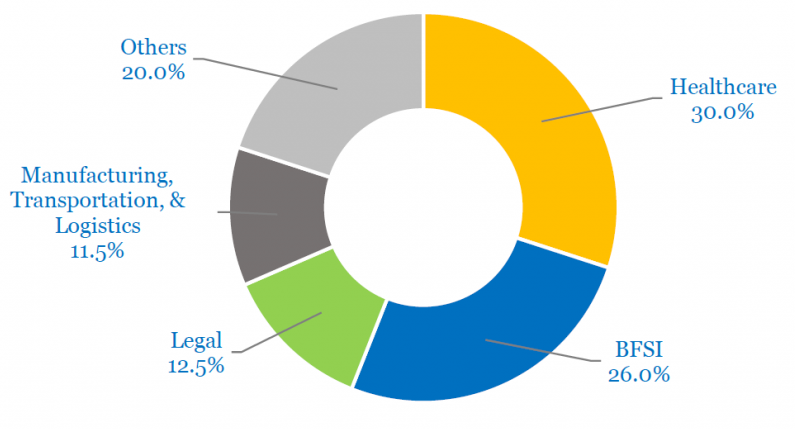
    Several end-user industries are discovering that modern fax solutions are a great way to increase productivity, save cost, and enable a more compliant environment, but none more than the healthcare sector. Ariston reports that healthcare (which includes hospitals, clinics and pharmaceutical companies) is the biggest revenue contributor for fax services, representing 30% of the global market. Healthcare organizations mainly opt for fax services to ensure the secure transmission of patient documents which helps comply with regulatory compliance like HIPAA in the US, not to mention that fax solutions can also automate several document management processes. In coming years, Arizton expects healthcare revenues to continue to grow as fax solutions become more widely used by individual physicians and the use of fax solutions grows in the APAC regions.

    A close runner-up, representing 26% of global revenue for the fax services market is the Banking, Financial services and Insurance (BFSI) sector, with banks and insurance organizations are the leading revenue contributors, followed by mortgage companies. The Arizton report forecasts that by 2022, more organizations in the financial sector are expected to migrate towards hybrid fax solutions. Hybrid fax solutions give companies greater control over their data with on-premise server deployments, yet also offer the flexibility and scalability of cloud fax solutions.

    Looking for a fax solution that can boost productivity, automate workflows, and help your organization meet regulatory compliance no matter what industry you’re in? Contact us.

    The original article can be found here.
  • Reblog: 10 Fall Prevention Tips for Seniors

    Easy Home Modifications To Reduce The Risk Of Injuries From Falls

    As part of the National Safety Council’s Safety Awareness Month, the week of June 20, 2016 focuses on increasing awareness around falls and fall prevention. In support of that initiative, MobileHelp, a leader in mobile medical alert system and personal health management technology, has released an infographic to provide consumers with tips on how to make homes and outdoor spaces safer.

    “We have always worked to provide people with the capability to get help quickly in the event of a fall – which happens roughly every 7 seconds,” said Rob Flippo, CEO of MobileHelp. “But the bigger goal is to take the issue further upstream – we want to help prevent fall emergencies from happening in the first place. We support the National Safety Council’s efforts to raise awareness around the issue of fall prevention.”

    Released today, the informative piece focuses on providing easy modifications that can be incorporated into living spaces to reduce the risk of injuries from falls, with tips from the National Safety Council, as well as Mayo Clinic and the National Council on Aging (NCOA). Information includes such critical aspects as what areas of the home represent the greatest risk and how to ensure risks are mitigated as much as possible.

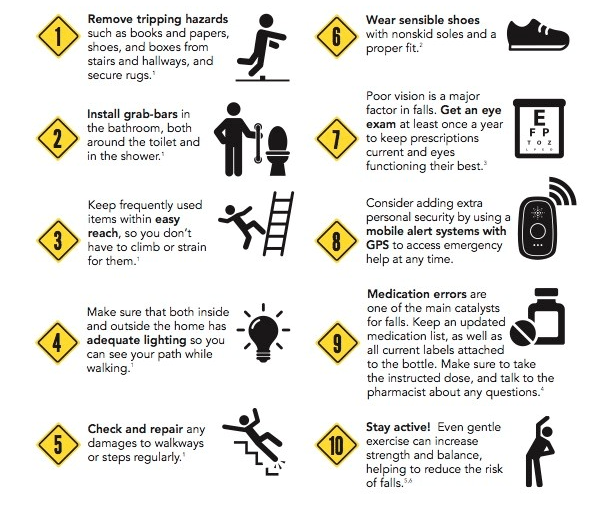
    10 FALL PREVENTION TIPS for Seniors

    Below are 10 Simple Tips for Fall Prevention from the National Safety Council and Other Resources

    The original article can be found here.
    To learn more about fall prevention, contact us on sales@rincon.co.in.

  • Reblog: Top Options to Boost Your Healthcare IT Infrastructure [Infographic]

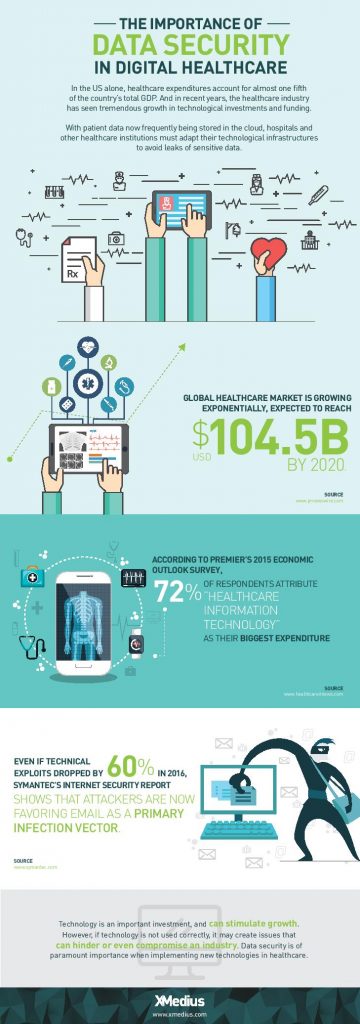
    Healthcare IT is evolving and is responsible for bigger & bigger portions of today’s healthcare budgets. Discover 3 ways to take your health IT infrastructure to the next level.

    The evolution of EHR/EMR systems

    When the HIPAA act was introduced in 1996, the landscape of EHR/EMR management shifted. Whereas EHR/EMR systems offered healthcare organizations a way to lower costs, increase efficiency, reduce error and improve patient satisfaction, HIPAA forced EHR/EMR system vendors, as well as healthcare providers and their business associates to conform to mandated security regulations. These regulations required new levels of security to protect patient health information, and as a result, EHR system security was upgraded to include the standardization of safeguards like role-based access control, automatic data backups, audit trails, automatic log-offs, and data encryption. To add to this, the HITECH act, introduced in 2009, outlines “meaningful use” of government-approved EHR/EMR systems in the US, and even included financial incentives for physicians and hospitals who follow its guidelines. Needless to say, since HITECH was implemented, there’s been a dramatic increase in the implementation of EHR/EMR solutions in healthcare organizations.

    Health IT expenditures are growing

    While EHR/EMR solutions help a great deal when it comes to accessibility, improved workflow, and interoperability between healthcare institutions when it comes to managing patient records, they only represent a fraction of the IT expenditures in the healthcare industry. 72% of respondents in a 2015 survey of healthcare professionals said that healthcare IT is their organizations biggest expenditure: a number that’s expected to increase globally with upcoming data regulations like GDPR.

    Healthcare IT doesn’t only encompass EHR/EMR systems, but also the networks that support them, as well as the servers, workstations, and mobile devices that healthcare staff access them from.

    When it comes to data management, today’s healthcare IT professionals know that there are a lot of options to invest in when attempting to simplify and centralize their IT infrastructure. There are many health IT hardware and software tools on the market that help healthcare providers reach improved levels of patient care, staff workflow and regulation compliance. Let’s take a look at a few of the best pathways to an improved healthcare IT infrastructure.

    1. Investigate alterative data storage options

    In order to meet growing data storage needs and compliance regulations, many healthcare organizations are building their IT datacenters to be more flexible and scalable. Traditionally, hospital IT admnistrators have preferred on-premise, physical data storage options because of the control it gives them. But with physical on-site storage comes the work of maintenance, deployment of expansion storage, troubleshooting, and more. While not every healthcare organization will benefit from the same type of data storage, many are more likely these days to implement cloud storage into their IT infrastructure.

    Cloud data storage options are flexible, scalable, and come at a lower cost than on-premise deployments. Today’s healthcare providers can choose between public or private hosting facilities, many of which offer appealing back up and disaster recovery plans. Other advantages of storing data on the cloud is freed-up internal storage and resources, improved interoperability, and better integration with applications. If you’re considering migrating some of your healthcare data storage over to the cloud, be sure to discuss the compliance and security measures that potential vendors have in place to ensure you make the best choice.

    2. Ditch traditional fax

    As surprising as it may seem, decades-old fax machines are still widely used in today’s hospitals and physician’s offices. Data security is of utmost importance in today’s healthcare environments, but a large number of providers don’t have the time or resources to explore alternative options.

    Fax machines not only break away from the digital and paperless landscape that compliance regulations have mostly succeeded to build, but the technology is also plain old unreliable:

    • It leaves too much room for human error: sending a fax to a wrong number is a common error as evidenced by a large number or reported data breaches
    • Paper, ink, and maintenance costs add up
    • Regulations such as the HIPAA privacy rule strongly suggest that the minimum amount of information necessary be contained in fax transmissions

    Other options, such as t.38 and cloud fax solutions have emerged as popular alternatives for safely transmitting patient records and other sensitive data. But what is t.38 faxing? It’s a technology that allows you to send faxes over your existing computer network. Cloud faxing essentially allows your fax transmissions to take place over a remote server. These solutions are highly affordable and leverage existing internet connections, they eliminate lost or misused faxes that might be left lying around, and they scale easily. What’s more is that many of today’s fax solution options integrate seamlessly with existing EHR/EMR systems, allowing staff to send and receive mission-critical data right from the platforms they’re most comfortable with.

    3. Secure file exchange: simple solutions for data transmission

    Email is another commonly used tool for transmitting patient data to patients themselves and within the healthcare network. Not all healthcare institutions can afford to implement the security measures needed to make their email servers secure enough to remain compliant and keep incidents of data breach at bay. Another issue within certain healthcare departments is that email doesn’t permit them to attach files over a certain size, forcing them to find other options for sending and receiving bulky patient records and medical images. The radiation Oncology departments at Inova Health System in VA, for example, were burning large files onto CDs and using mail services in order to get patient data to other hospitals and medical facilities in their network before transitioning to XMediusSENDSECURE.

    SendSecure is an example of a collaborative secure file exchange software that takes minimal time and effort to deploy. It uses double encryption, which keeps files encrypted during both the upload and download processes unlike most email servers which only encrypt files while in transit. Users can send an unlimited number of files up to 5TB/ea., thus eliminating any concerns of getting large files where they need to get in a hurry. Similar to today’s FoIP or cloud fax solutions, SendSecure also integrates with day-to-day applications, such as Outlook, and can even be used from any internet browser.

    Looking for ways to boost your health IT infrastructure and ensure your data is safe in transit and at rest? Speak with an expert today about FoIP and secure file exchange solutions that could work for you! Contact us: sales@rincon.co.in

    The original article can be found here.